
Herbal Extracts

Home Products Herbal Extracts
Premium Standardized Ingredients

Our Herbal Extracts Portfolio

We manufacture high-purity botanical extracts derived from authentic herbs, standardized to active constituents to ensure efficacy, consistency, and compliance for global health, beverage, and nutritional industries.

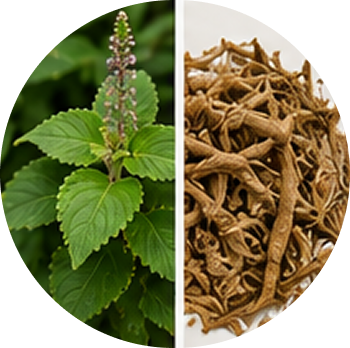
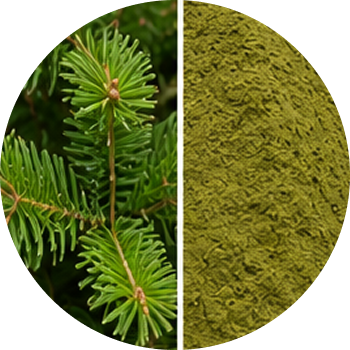
Abies webbiana cutout
Abies webbiana
Talispatra (Leaf)
Botanical Name Abies webbiana
Common Name Talispatra
Part Used Leaf
Active Components Alkaloids
Standardizations Available >0.5%
Forms Available Dry, Spray Dry, Liquid, Oil, Paste
Herbal Extract Ratio 10:1
Organic icon Organic

Introduction

Talispatra (Abies webbiana) is a botanical long valued in Ayurvedic and traditional herbal practice. This extract is prepared from the leaf of the plant, standardised to capture its alkaloids and offered as a concentrated 10:1 extract.

How It Benefits the Body

In the body, Talispatra extract is traditionally used to ease digestion, relieve gas and bloating and soothe the stomach, and support the respiratory tract and help loosen and clear mucus. These effects are attributed largely to its alkaloids standardised to >0.5%.

Industries Served

Ayurvedic & herbal medicine, Pharmaceuticals, Food & beverage.
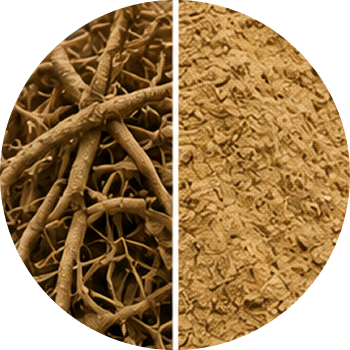
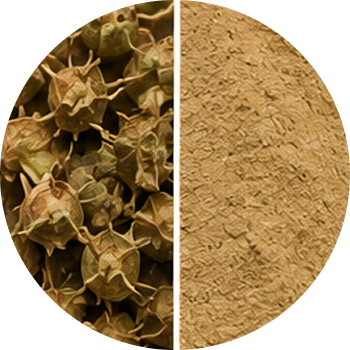
Abroma augusta cutout
Abroma augusta
Ulatkambal (Root)
Botanical Name Abroma augusta
Common Name Ulatkambal
Part Used Root
Active Components Tannins
Standardizations Available 3-4%
Forms Available Dry, Spray Dry, Liquid, Oil, Paste
Herbal Extract Ratio 10:1
Organic icon Organic

Introduction

Ulatkambal (Abroma augusta) is a botanical long valued in Ayurvedic and traditional herbal practice. This extract is prepared from the root of the plant, standardised to capture its tannins and offered as a concentrated 10:1 extract.

How It Benefits the Body

In the body, Ulatkambal extract is traditionally used to act as a restorative that supports overall strength and vitality, and support female reproductive and uterine health. These effects are attributed largely to its tannins standardised to 3-4%.

Industries Served

Ayurvedic & herbal medicine, Nutraceuticals & dietary supplements, Food & beverage.

Abrus precatorius cutout
Abrus precatorius
Gunja (Seeds/Leaves)
Botanical Name Abrus precatorius
Common Name Gunja
Part Used Seeds / Leaves
Active Components Abrin Glycosides
Standardizations Available 15%
Forms Available Dry, Spray Dry, Liquid, Oil, Paste
Herbal Extract Ratio 10:1
Organic icon Organic

Introduction

Gunja (Abrus precatorius) is a botanical long valued in Ayurvedic and traditional herbal practice. This extract is prepared from the seeds / leaves of the plant, standardised to capture its abrin glycosides and offered as a concentrated 10:1 extract.

How It Benefits the Body

In the body, Gunja extract is traditionally used to act as a restorative that supports overall strength and vitality, and support the body's natural detoxification and blood-cleansing. These effects are attributed largely to its abrin glycosides standardised to 15%.

Industries Served

Ayurvedic & herbal medicine, Nutraceuticals & dietary supplements, Food & beverage.

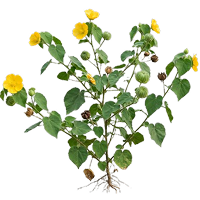
Abutilon indicum cutout
Abutilon indicum
Atibala (Seed)
Botanical Name Abutilon indicum
Common Name Atibala
Part Used Seed
Active Components Mucilage
Standardizations Available 10%
Forms Available Dry, Spray Dry, Liquid, Oil, Paste
Herbal Extract Ratio 10:1
Organic icon Organic

Introduction

Atibala (Abutilon indicum) is a botanical long valued in Ayurvedic and traditional herbal practice. This extract is prepared from the seed of the plant, standardised to capture its mucilage and offered as a concentrated 10:1 extract.

How It Benefits the Body

In the body, Atibala extract is traditionally used to support reproductive health, stamina and vitality. These effects are attributed largely to its mucilage standardised to 10%.

Industries Served

Ayurvedic & herbal medicine, Nutraceuticals & dietary supplements, Pharmaceuticals.

Atibala cutout
Abutilon indicum
Atibala (Plant)
Botanical Name Abutilon indicum
Common Name Atibala
Part Used Plant
Active Components Alkaloids
Standardizations Available On request
Forms Available Dry, Spray Dry, Liquid, Oil, Paste
Herbal Extract Ratio 10:1
Organic icon Organic

Introduction

Atibala (Abutilon indicum) is a botanical long valued in Ayurvedic and traditional herbal practice. This extract is prepared from the plant of the plant, standardised to capture its alkaloids and offered as a concentrated 10:1 extract.

How It Benefits the Body

In the body, Atibala extract is traditionally used to support reproductive health, stamina and vitality. These effects are attributed largely to its alkaloids.

Industries Served

Ayurvedic & herbal medicine, Nutraceuticals & dietary supplements, Pharmaceuticals.

Babul cutout
Acacia arabica
Babul (Pod / Gum)
Botanical Name Acacia arabica
Common Name Babul
Part Used Pod / Gum
Active Components Tannins
Standardizations Available 10-40%
Forms Available Dry, Spray Dry, Liquid, Oil, Paste
Herbal Extract Ratio 10:1
Organic icon Organic

Introduction

Babul (Acacia arabica) is a botanical long valued in Ayurvedic and traditional herbal practice. This extract is prepared from the pod / gum of the plant, standardised to capture its tannins and offered as a concentrated 10:1 extract.

How It Benefits the Body

In the body, Babul extract is traditionally used to tone tissues and help check excess secretions and minor bleeding. These effects are attributed largely to its tannins standardised to 10-40%.

Industries Served

Ayurvedic & herbal medicine, Cosmetics & personal care, Nutraceuticals & dietary supplements, Pharmaceuticals.

Khair cutout
Acacia catechu
Khair (Bark / Leaves)
Botanical Name Acacia catechu
Common Name Khair
Part Used Bark / Leaves
Active Components Tannins
Standardizations Available 20-50%
Forms Available Dry, Spray Dry, Liquid, Oil, Paste
Herbal Extract Ratio 10:1
Organic icon Organic

Introduction

Khair (Acacia catechu) is a botanical long valued in Ayurvedic and traditional herbal practice. This extract is prepared from the bark / leaves of the plant, standardised to capture its tannins and offered as a concentrated 10:1 extract.

How It Benefits the Body

In the body, Khair extract is traditionally used to tone tissues and help check excess secretions and minor bleeding. These effects are attributed largely to its tannins standardised to 20-50%.

Industries Served

Ayurvedic & herbal medicine, Cosmetics & personal care, Nutraceuticals & dietary supplements, Pharmaceuticals.

Khair cutout
Acacia catechu
Khair (Gum)
Botanical Name Acacia catechu
Common Name Khair
Part Used Gum
Active Components Catechins
Standardizations Available 20-60%
Forms Available Dry, Spray Dry, Liquid, Oil, Paste
Herbal Extract Ratio 10:1
Organic icon Organic

Introduction

Khair (Acacia catechu) is a botanical long valued in Ayurvedic and traditional herbal practice. This extract is prepared from the gum of the plant, standardised to capture its catechins and offered as a concentrated 10:1 extract.

How It Benefits the Body

In the body, Khair extract is traditionally used to tone tissues and help check excess secretions and minor bleeding. These effects are attributed largely to its catechins standardised to 20-60%.

Industries Served

Ayurvedic & herbal medicine, Cosmetics & personal care, Nutraceuticals & dietary supplements, Pharmaceuticals.

Shikakai cutout
Acacia concinna
Shikakai (Pod)
Botanical Name Acacia concinna
Common Name Shikakai
Part Used Pod
Active Components Saponins
Standardizations Available 15-20%
Forms Available Dry, Spray Dry, Liquid, Oil, Paste
Herbal Extract Ratio 10:1
Organic icon Organic

Introduction

Shikakai (Acacia concinna) is a botanical long valued in Ayurvedic and traditional herbal practice. This extract is prepared from the pod of the plant, standardised to capture its saponins and offered as a concentrated 10:1 extract.

How It Benefits the Body

In the body, Shikakai extract is traditionally used to act as a natural cleansing and foaming agent. These effects are attributed largely to its saponins standardised to 15-20%.

Industries Served

Ayurvedic & herbal medicine, Cosmetics & personal care, Home & personal-care cleaning.

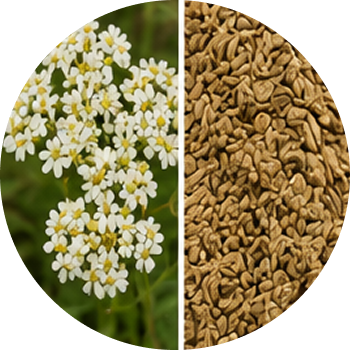
Gandhana cutout
Achillea millefolium
Gandhana (Seed)
Botanical Name Achillea millefolium
Common Name Gandhana
Part Used Seed
Active Components Bitters
Standardizations Available 3%
Forms Available Dry, Spray Dry, Liquid, Oil, Paste
Herbal Extract Ratio 10:1
Organic icon Organic

Introduction

Gandhana (Achillea millefolium) is a botanical long valued in Ayurvedic and traditional herbal practice. This extract is prepared from the seed of the plant, standardised to capture its bitters and offered as a concentrated 10:1 extract.

How It Benefits the Body

In the body, Gandhana extract is traditionally used to act as a restorative that supports overall strength and vitality, and provide a gentle, invigorating and energising effect. These effects are attributed largely to its bitters standardised to 3%.

Industries Served

Ayurvedic & herbal medicine, Nutraceuticals & dietary supplements, Food & beverage.

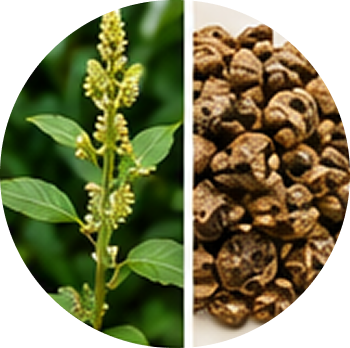
Apamarga cutout
Achyranthes aspera
Apamarga (Plant / Seed)
Botanical Name Achyranthes aspera
Common Name Apamarga
Part Used Plant / Seed
Active Components Saponins
Standardizations Available 3%
Forms Available Dry, Spray Dry, Liquid, Oil, Paste
Herbal Extract Ratio 10:1
Organic icon Organic

Introduction

Apamarga (Achyranthes aspera) is a botanical long valued in Ayurvedic and traditional herbal practice. This extract is prepared from the plant / seed of the plant, standardised to capture its saponins and offered as a concentrated 10:1 extract.

How It Benefits the Body

In the body, Apamarga extract is traditionally used to promote healthy urine flow and the body's natural fluid balance, and support the body's natural detoxification and blood-cleansing. These effects are attributed largely to its saponins standardised to 3%.

Industries Served

Ayurvedic & herbal medicine, Nutraceuticals & dietary supplements, Pharmaceuticals.

Vacha cutout
Acorus calamus
Vacha (Rhizome)
Botanical Name Acorus calamus
Common Name Vacha
Part Used Rhizome
Active Components Volatile Oil
Standardizations Available >1%
Forms Available Dry, Spray Dry, Liquid, Oil, Paste
Herbal Extract Ratio 10:1
Organic icon Organic

Introduction

Vacha (Acorus calamus) is a botanical long valued in Ayurvedic and traditional herbal practice. This extract is prepared from the rhizome of the plant, standardised to capture its volatile oil and offered as a concentrated 10:1 extract.

How It Benefits the Body

In the body, Vacha extract is traditionally used to relax smooth muscle and help ease spasms and coughing. These effects are attributed largely to its volatile oil standardised to >1%.

Industries Served

Ayurvedic & herbal medicine, Pharmaceuticals, Nutraceuticals & dietary supplements.

Vasaka cutout
Adhatoda vasica
Vasaka (Leaves)
Botanical Name Adhatoda vasica
Common Name Vasaka
Part Used Leaves
Active Components Alkaloids
Standardizations Available 0.5-1.5%
Forms Available Dry, Spray Dry, Liquid, Oil, Paste
Herbal Extract Ratio 10:1
Organic icon Organic

Introduction

Vasaka (Adhatoda vasica) is a botanical long valued in Ayurvedic and traditional herbal practice. This extract is prepared from the leaves of the plant, standardised to capture its alkaloids and offered as a concentrated 10:1 extract.

How It Benefits the Body

In the body, Vasaka extract is traditionally used to support the respiratory tract and help loosen and clear mucus, and promote healthy urine flow and the body's natural fluid balance. These effects are attributed largely to its alkaloids standardised to 0.5-1.5%.

Industries Served

Ayurvedic & herbal medicine, Pharmaceuticals, Nutraceuticals & dietary supplements.

Bael cutout
Aegle marmelos
Bael (Leaves)
Botanical Name Aegle marmelos
Common Name Bael
Part Used Leaves
Active Components Tannins
Standardizations Available 3-7%
Forms Available Dry, Spray Dry, Liquid, Oil, Paste
Herbal Extract Ratio 10:1
Organic icon Organic

Introduction

Bael (Aegle marmelos) is a botanical long valued in Ayurvedic and traditional herbal practice. This extract is prepared from the leaves of the plant, standardised to capture its tannins and offered as a concentrated 10:1 extract.

How It Benefits the Body

In the body, Bael extract is traditionally used to tone tissues and help check excess secretions and minor bleeding, and support healthy blood-sugar balance. These effects are attributed largely to its tannins standardised to 3-7%.

Industries Served

Ayurvedic & herbal medicine, Nutraceuticals & dietary supplements, Pharmaceuticals, Cosmetics & personal care.

Bael cutout
Aegle marmelos
Bael (Fruit)
Botanical Name Aegle marmelos
Common Name Bael
Part Used Vegetable
Active Components Mucilage
Standardizations Available 10-15%
Forms Available Dry, Spray Dry, Liquid, Oil, Paste
Herbal Extract Ratio 10:1
Organic icon Organic

Introduction

Bael (Aegle marmelos) is a botanical long valued in Ayurvedic and traditional herbal practice. This extract is prepared from the fruit of the plant, standardised to capture its mucilage and offered as a concentrated 10:1 extract.

How It Benefits the Body

In the body, Bael extract is traditionally used to tone tissues and help check excess secretions and minor bleeding, and support relief from loose motions and digestive upset. These effects are attributed largely to its mucilage standardised to 10-15%.

Industries Served

Ayurvedic & herbal medicine, Pharmaceuticals, Nutraceuticals & dietary supplements.

Siris cutout
Albizzia lebbeck
Siris (Bark)
Botanical Name Albizzia lebbeck
Common Name Siris
Part Used Bark
Active Components Tannins
Standardizations Available 15%
Forms Available Dry, Spray Dry, Liquid, Oil, Paste
Herbal Extract Ratio 10:1
Organic icon Organic

Introduction

Siris (Albizzia lebbeck) is a botanical long valued in Ayurvedic and traditional herbal practice. This extract is prepared from the bark of the plant, standardised to capture its tannins and offered as a concentrated 10:1 extract.

How It Benefits the Body

In the body, Siris extract is traditionally used to help the body resist microbial and infectious challenges, and promote regular bowel movement and gentle elimination. These effects are attributed largely to its tannins standardised to 15%.

Industries Served

Ayurvedic & herbal medicine, Pharmaceuticals, Nutraceuticals & dietary supplements.

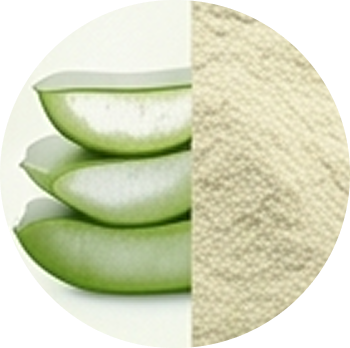
Aloe cutout
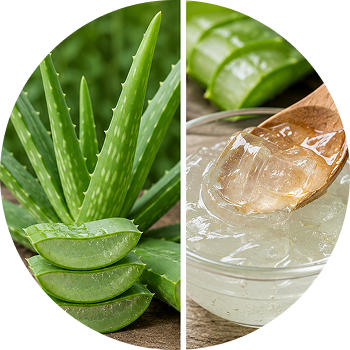
Aloe vera
Aloe (Leaves / Gel)
Botanical Name Aloe vera
Common Name Aloe
Part Used Leaves / Gel
Active Components Aloin
Standardizations Available 1.5%
Forms Available Dry, Spray Dry, Liquid, Oil, Paste
Herbal Extract Ratio 4:1
Organic icon Organic

Introduction

Aloe (Aloe vera) is a botanical long valued in Ayurvedic and traditional herbal practice. This extract is prepared from the leaves / gel of the plant, standardised to capture its aloin and offered as a concentrated 4:1 extract.

How It Benefits the Body

In the body, Aloe extract is traditionally used to promote regular bowel movement and gentle elimination, and support healthy skin, hair and a clear complexion. These effects are attributed largely to its aloin standardised to 1.5%.

Industries Served

Ayurvedic & herbal medicine, Pharmaceuticals, Cosmetics & personal care.

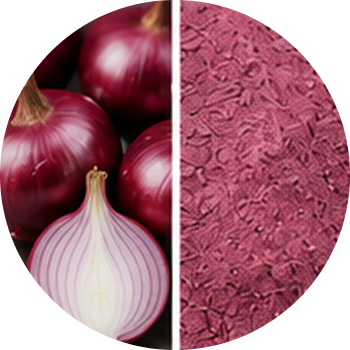
Onion cutout
Allium cepa
Onion (Bulb)
Botanical Name Allium cepa
Common Name Onion
Part Used Bulb
Active Components Quercetin
Standardizations Available 0.5-5%
Forms Available Dry, Spray Dry, Liquid, Oil, Paste
Herbal Extract Ratio 10:1
Organic icon Organic

Introduction

Onion (Allium cepa) is a botanical long valued in Ayurvedic and traditional herbal practice. This extract is prepared from the bulb of the plant, standardised to capture its quercetin and offered as a concentrated 10:1 extract.

How It Benefits the Body

In the body, Onion extract is traditionally used to support healthy cholesterol, lipid and weight management. These effects are attributed largely to its quercetin standardised to 0.5-5%.

Industries Served

Ayurvedic & herbal medicine, Nutraceuticals & dietary supplements, Pharmaceuticals.

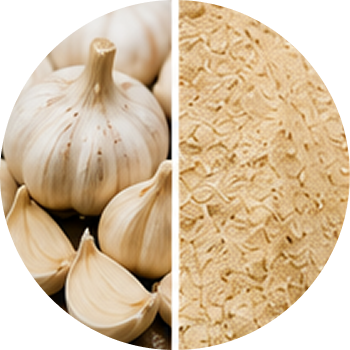
Garlic cutout
Allium sativum
Garlic (Bulb)
Botanical Name Allium sativum
Common Name Garlic
Part Used Bulb
Active Components Allicin
Standardizations Available 1.5-2.5%
Forms Available Dry, Spray Dry, Liquid, Oil, Paste
Herbal Extract Ratio 10:1
Organic icon Organic

Introduction

Garlic (Allium sativum) is a botanical long valued in Ayurvedic and traditional herbal practice. This extract is prepared from the bulb of the plant, standardised to capture its allicin and offered as a concentrated 10:1 extract.

How It Benefits the Body

In the body, Garlic extract is traditionally used to help ease joint and muscular pain and stiffness, and support healthy cholesterol, lipid and weight management. These effects are attributed largely to its allicin standardised to 1.5-2.5%.

Industries Served

Ayurvedic & herbal medicine, Pharmaceuticals, Nutraceuticals & dietary supplements.

Aloe Vera cutout
Aloe barbadensis
Aloe Vera (Gel)
Botanical Name Aloe barbadensis
Common Name Aloe Vera
Part Used Gel
Active Components Polysaccharides
Standardizations Available 50%
Forms Available Dry, Spray Dry, Liquid, Oil, Paste
Herbal Extract Ratio 200:1
Organic icon Organic

Introduction

Aloe Vera (Aloe barbadensis) is a botanical long valued in Ayurvedic and traditional herbal practice. This extract is prepared from the gel of the plant, standardised to capture its polysaccharides and offered as a concentrated 200:1 extract.

How It Benefits the Body

In the body, Aloe Vera extract is traditionally used to promote regular bowel movement and gentle elimination, and is being studied for cell-protective and anti-tumour properties. These effects are attributed largely to its polysaccharides standardised to 50%.

Industries Served

Ayurvedic & herbal medicine, Pharmaceuticals, Nutraceuticals & dietary supplements.

Galangal cutout
Alpinia galanga
Galangal (Rhizome)
Botanical Name Alpinia galanga
Common Name Galangal
Part Used Rhizome
Active Components Flavonoids
Standardizations Available 1.5%
Forms Available Dry, Spray Dry, Liquid, Oil, Paste
Herbal Extract Ratio 10:1
Organic icon Organic

Introduction

Galangal (Alpinia galanga) is a botanical long valued in Ayurvedic and traditional herbal practice. This extract is prepared from the rhizome of the plant, standardised to capture its flavonoids and offered as a concentrated 10:1 extract.

How It Benefits the Body

In the body, Galangal extract is traditionally used to support the respiratory tract and help loosen and clear mucus. These effects are attributed largely to its flavonoids standardised to 1.5%.

Industries Served

Ayurvedic & herbal medicine, Pharmaceuticals, Nutraceuticals & dietary supplements.

Rasna cutout
Alpinia officinarum
Rasna (Rhizome)
Botanical Name Alpinia officinarum
Common Name Rasna
Part Used Rhizome
Active Components Shagoles
Standardizations Available 1-10%
Forms Available Dry, Spray Dry, Liquid, Oil, Paste
Herbal Extract Ratio 10:1
Organic icon Organic

Introduction

Rasna (Alpinia officinarum) is a botanical long valued in Ayurvedic and traditional herbal practice. This extract is prepared from the rhizome of the plant, standardised to capture its shagoles and offered as a concentrated 10:1 extract.

How It Benefits the Body

In the body, Rasna extract is traditionally used to neutralise free radicals and limit oxidative stress on cells, and help the body resist microbial and infectious challenges. These effects are attributed largely to its shagoles standardised to 1-10%.

Industries Served

Ayurvedic & herbal medicine, Nutraceuticals & dietary supplements, Pharmaceuticals, Cosmetics & personal care, Food & beverage.

Saptaparni cutout
Alstonia scholaris
Saptaparni (Bark)
Botanical Name Alstonia scholaris
Common Name Saptaparni
Part Used Bark
Active Components Alkaloids
Standardizations Available 0.3-0.5%
Forms Available Dry, Spray Dry, Liquid, Oil, Paste
Herbal Extract Ratio 10:1
Organic icon Organic

Introduction

Saptaparni (Alstonia scholaris) is a botanical long valued in Ayurvedic and traditional herbal practice. This extract is prepared from the bark of the plant, standardised to capture its alkaloids and offered as a concentrated 10:1 extract.

How It Benefits the Body

In the body, Saptaparni extract is traditionally used to provide a gentle, invigorating and energising effect, and support the body's natural detoxification and blood-cleansing. These effects are attributed largely to its alkaloids standardised to 0.3-0.5%.

Industries Served

Ayurvedic & herbal medicine, Food & beverage, Nutraceuticals & dietary supplements, Pharmaceuticals.

Badi Ilaichi cutout
Amomum subulatum
Badi Ilaichi (Fruit)
Botanical Name Amomum subulatum
Common Name Badi Ilaichi
Part Used Vegetable
Active Components Volatile Oil
Standardizations Available 1-6%
Forms Available Dry, Spray Dry, Liquid, Oil, Paste
Herbal Extract Ratio 4:1
Organic icon Organic

Introduction

Badi Ilaichi (Amomum subulatum) is a botanical long valued in Ayurvedic and traditional herbal practice. This extract is prepared from the fruit of the plant, standardised to capture its volatile oil and offered as a concentrated 4:1 extract.

How It Benefits the Body

In the body, Badi Ilaichi extract is traditionally used to support healthy blood-sugar balance. These effects are attributed largely to its volatile oil standardised to 1-6%.

Industries Served

Ayurvedic & herbal medicine, Nutraceuticals & dietary supplements, Pharmaceuticals.

Akarkara cutout
Anacyclus pyrethrum
Akarkara (Flowers)
Botanical Name Anacyclus pyrethrum
Common Name Akarkara
Part Used Flowers
Active Components Alkaloids
Standardizations Available 0.5%
Forms Available Dry, Spray Dry, Liquid, Oil, Paste
Herbal Extract Ratio 4:1
Organic icon Organic

Introduction

Akarkara (Anacyclus pyrethrum) is a botanical long valued in Ayurvedic and traditional herbal practice. This extract is prepared from the flowers of the plant, standardised to capture its alkaloids and offered as a concentrated 4:1 extract.

How It Benefits the Body

In the body, Akarkara extract is traditionally used to provide a gentle, invigorating and energising effect. These effects are attributed largely to its alkaloids standardised to 0.5%.

Industries Served

Ayurvedic & herbal medicine, Food & beverage, Nutraceuticals & dietary supplements, Pharmaceuticals.

Akarkara cutout
Anacyclus pyrethrum
Akarkara (Root)
Botanical Name Anacyclus pyrethrum
Common Name Akarkara
Part Used Root
Active Components Alkaloids
Standardizations Available 0.5-1.5%
Forms Available Dry, Spray Dry, Liquid, Oil, Paste
Herbal Extract Ratio 4:1
Organic icon Organic

Introduction

Akarkara (Anacyclus pyrethrum) is a botanical long valued in Ayurvedic and traditional herbal practice. This extract is prepared from the root of the plant, standardised to capture its alkaloids and offered as a concentrated 4:1 extract.

How It Benefits the Body

In the body, Akarkara extract is traditionally used to provide a gentle, invigorating and energising effect. These effects are attributed largely to its alkaloids standardised to 0.5-1.5%.

Industries Served

Ayurvedic & herbal medicine, Food & beverage, Nutraceuticals & dietary supplements, Pharmaceuticals.

Kalmegh cutout
Andrographis paniculata
Kalmegh (Plant)
Botanical Name Andrographis paniculata
Common Name Kalmegh
Part Used Plant
Active Components Bitters
Standardizations Available 1-5%
Forms Available Dry, Spray Dry, Liquid, Oil, Paste
Herbal Extract Ratio 10:1
Organic icon Organic

Introduction

Kalmegh (Andrographis paniculata) is a botanical long valued in Ayurvedic and traditional herbal practice. This extract is prepared from the plant of the plant, standardised to capture its bitters and offered as a concentrated 10:1 extract.

How It Benefits the Body

In the body, Kalmegh extract is traditionally used to support and help protect the liver. These effects are attributed largely to its bitters standardised to 1-5%.

Industries Served

Ayurvedic & herbal medicine, Nutraceuticals & dietary supplements, Pharmaceuticals.

Dill cutout
Anethum graveolens
Dill (Seed)
Botanical Name Anethum graveolens
Common Name Dill
Part Used Seed
Active Components Volatile Oil
Standardizations Available 1-3%
Forms Available Dry, Spray Dry, Liquid, Oil, Paste
Herbal Extract Ratio 10:1
Organic icon Organic

Introduction

Dill (Anethum graveolens) is a botanical long valued in Ayurvedic and traditional herbal practice. This extract is prepared from the seed of the plant, standardised to capture its volatile oil and offered as a concentrated 10:1 extract.

How It Benefits the Body

In the body, Dill extract is traditionally used to ease digestion, relieve gas and bloating and soothe the stomach. These effects are attributed largely to its volatile oil standardised to 1-3%.

Industries Served

Ayurvedic & herbal medicine, Food & beverage, Nutraceuticals & dietary supplements, Pharmaceuticals.

Rohitiki cutout
Aphanamixis rohituka
Rohitiki (Bark)
Botanical Name Aphanamixis rohituka
Common Name Rohitiki
Part Used Bark
Active Components Tannins
Standardizations Available 10-30%
Forms Available Dry, Spray Dry, Liquid, Oil, Paste
Herbal Extract Ratio 10:1
Organic icon Organic

Introduction

Rohitiki (Aphanamixis rohituka) is a botanical long valued in Ayurvedic and traditional herbal practice. This extract is prepared from the bark of the plant, standardised to capture its tannins and offered as a concentrated 10:1 extract.

How It Benefits the Body

In the body, Rohitiki extract is traditionally used to tone tissues and help check excess secretions and minor bleeding. These effects are attributed largely to its tannins standardised to 10-30%.

Industries Served

Ayurvedic & herbal medicine, Cosmetics & personal care, Nutraceuticals & dietary supplements, Pharmaceuticals.

Celery cutout
Apium graveolens
Celery (Seed)
Botanical Name Apium graveolens
Common Name Celery
Part Used Seed
Active Components Volatile Oil
Standardizations Available 1-5%
Forms Available Dry, Spray Dry, Liquid, Oil, Paste
Herbal Extract Ratio 10:1
Organic icon Organic

Introduction

Celery (Apium graveolens) is a botanical long valued in Ayurvedic and traditional herbal practice. This extract is prepared from the seed of the plant, standardised to capture its volatile oil and offered as a concentrated 10:1 extract.

How It Benefits the Body

In the body, Celery extract is traditionally used to ease digestion, relieve gas and bloating and soothe the stomach. These effects are attributed largely to its volatile oil standardised to 1-5%.

Industries Served

Ayurvedic & herbal medicine, Food & beverage, Nutraceuticals & dietary supplements, Pharmaceuticals.

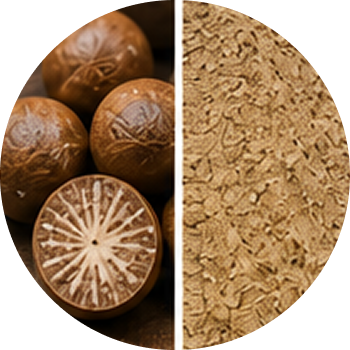
Supari cutout
Areca catechu
Supari (Nut)
Botanical Name Areca catechu
Common Name Supari
Part Used Nut
Active Components Alkaloids
Standardizations Available 1-2%
Forms Available Dry, Spray Dry, Liquid, Oil, Paste
Herbal Extract Ratio 10:1
Organic icon Organic

Introduction

Supari (Areca catechu) is a botanical long valued in Ayurvedic and traditional herbal practice. This extract is prepared from the nut of the plant, standardised to capture its alkaloids and offered as a concentrated 10:1 extract.

How It Benefits the Body

In the body, Supari extract is traditionally used to provide a gentle, invigorating and energising effect. These effects are attributed largely to its alkaloids standardised to 1-2%.

Industries Served

Ayurvedic & herbal medicine, Food & beverage, Nutraceuticals & dietary supplements, Pharmaceuticals.

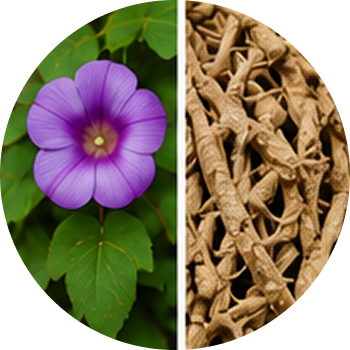
Vidhara cutout
Argyreia speciosa
Vidhara (Root)
Botanical Name Argyreia speciosa
Common Name Vidhara
Part Used Root
Active Components Resin
Standardizations Available 4.5%
Forms Available Dry, Spray Dry, Liquid, Oil, Paste
Herbal Extract Ratio 10:1
Organic icon Organic

Introduction

Vidhara (Argyreia speciosa) is a botanical long valued in Ayurvedic and traditional herbal practice. This extract is prepared from the root of the plant, standardised to capture its resin and offered as a concentrated 10:1 extract.

How It Benefits the Body

In the body, Vidhara extract is traditionally used to act as a restorative that supports overall strength and vitality, and support the body's natural detoxification and blood-cleansing. These effects are attributed largely to its resin standardised to 4.5%.

Industries Served

Ayurvedic & herbal medicine, Nutraceuticals & dietary supplements, Food & beverage.

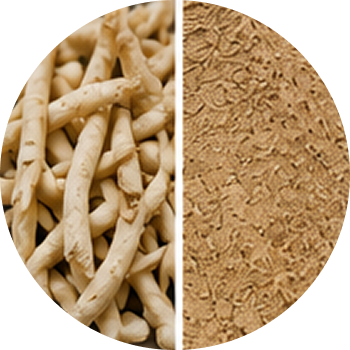
Safed Musli cutout
Asparagus adscendens
Safed Musli (Root)
Botanical Name Asparagus adscendens
Common Name Safed Musli
Part Used Root
Active Components Saponins
Standardizations Available >10%
Forms Available Dry, Spray Dry, Liquid, Oil, Paste
Herbal Extract Ratio 4:1
Organic icon Organic

Introduction

Safed Musli (Asparagus adscendens) is a botanical long valued in Ayurvedic and traditional herbal practice. This extract is prepared from the root of the plant, standardised to capture its saponins and offered as a concentrated 4:1 extract.

How It Benefits the Body

In the body, Safed Musli extract is traditionally used to act as a restorative that supports overall strength and vitality, and support healthy lactation in nursing mothers. These effects are attributed largely to its saponins standardised to >10%.

Industries Served

Ayurvedic & herbal medicine, Nutraceuticals & dietary supplements, Food & beverage.

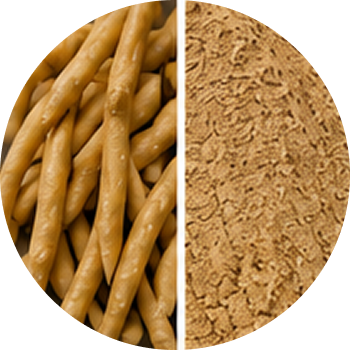
Shatavari cutout
Asparagus racemosus
Shatavari (Root)
Botanical Name Asparagus racemosus
Common Name Shatavari
Part Used Root
Active Components Saponins
Standardizations Available >15%
Forms Available Dry, Spray Dry, Liquid, Oil, Paste
Herbal Extract Ratio 4:1
Organic icon Organic

Introduction

Shatavari (Asparagus racemosus) is a botanical long valued in Ayurvedic and traditional herbal practice. This extract is prepared from the root of the plant, standardised to capture its saponins and offered as a concentrated 4:1 extract.

How It Benefits the Body

In the body, Shatavari extract is traditionally used to support reproductive health, stamina and vitality, and support healthy lactation in nursing mothers. These effects are attributed largely to its saponins standardised to >15%.

Industries Served

Ayurvedic & herbal medicine, Nutraceuticals & dietary supplements, Pharmaceuticals.

Shilajeet cutout
Asphaltum
Shilajeet (Stone)
Botanical Name Asphaltum
Common Name Shilajeet
Part Used Stone
Active Components Fulvic Acid
Standardizations Available +Ve
Forms Available Dry, Spray Dry, Liquid, Oil, Paste
Herbal Extract Ratio 6:1
Organic icon Organic

Introduction

Shilajeet (Asphaltum) is a botanical long valued in Ayurvedic and traditional herbal practice. This extract is prepared from the stone of the plant, standardised to capture its fulvic acid and offered as a concentrated 6:1 extract.

How It Benefits the Body

In the body, Shilajeet extract is traditionally used to support the body's natural detoxification and blood-cleansing. These effects are attributed largely to its fulvic acid standardised to +Ve.

Industries Served

Ayurvedic & herbal medicine, Nutraceuticals & dietary supplements, Pharmaceuticals.

Neem cutout
Azadirachta indica
Neem (Leaf)
Botanical Name Azadirachta indica
Common Name Neem
Part Used Leaf
Active Components Bitters
Standardizations Available 2.5%
Forms Available Dry, Spray Dry, Liquid, Oil, Paste
Herbal Extract Ratio 10:1
Organic icon Organic

Introduction

Neem (Azadirachta indica) is a botanical long valued in Ayurvedic and traditional herbal practice. This extract is prepared from the leaf of the plant, standardised to capture its bitters and offered as a concentrated 10:1 extract.

How It Benefits the Body

In the body, Neem extract is traditionally used to support the body's natural detoxification and blood-cleansing. These effects are attributed largely to its bitters standardised to 2.5%.

Industries Served

Ayurvedic & herbal medicine, Nutraceuticals & dietary supplements, Pharmaceuticals.

Neem cutout
Azadirachta indica
Neem (Bark / Seed)
Botanical Name Azadirachta indica
Common Name Neem
Part Used Bark / Seed
Active Components Bitters
Standardizations Available 1%
Forms Available Dry, Spray Dry, Liquid, Oil, Paste
Herbal Extract Ratio 10:1
Organic icon Organic

Introduction

Neem (Azadirachta indica) is a botanical long valued in Ayurvedic and traditional herbal practice. This extract is prepared from the bark / seed of the plant, standardised to capture its bitters and offered as a concentrated 10:1 extract.

How It Benefits the Body

In the body, Neem extract is traditionally used to tone tissues and help check excess secretions and minor bleeding. These effects are attributed largely to its bitters standardised to 1%.

Industries Served

Ayurvedic & herbal medicine, Cosmetics & personal care, Nutraceuticals & dietary supplements, Pharmaceuticals.

Brahmi cutout
Bacopa monnieri
Brahmi (Herb)
Botanical Name Bacopa monnieri
Common Name Brahmi
Part Used Herb
Active Components Saponins
Standardizations Available 15-50%
Forms Available Dry, Spray Dry, Liquid, Oil, Paste
Herbal Extract Ratio 10:1
Organic icon Organic

Introduction

Brahmi (Bacopa monnieri) is a botanical long valued in Ayurvedic and traditional herbal practice. This extract is prepared from the herb of the plant, standardised to capture its saponins and offered as a concentrated 10:1 extract.

How It Benefits the Body

In the body, Brahmi extract is traditionally used to calm and support the nervous system and mental wellbeing, and act as a restorative that supports overall strength and vitality. These effects are attributed largely to its saponins standardised to 15-50%.

Industries Served

Ayurvedic & herbal medicine, Nutraceuticals & dietary supplements, Food & beverage.

Bamboo Tabasheer cutout
Bambusa arundinacea
Bamboo Tabasheer (Leaf)
Botanical Name Bambusa arundinacea
Common Name Bamboo Tabasheer
Part Used Leaf
Active Components Silicic Acid
Standardizations Available On request
Forms Available Dry, Spray Dry, Liquid, Oil, Paste
Herbal Extract Ratio 10:1
Organic icon Organic

Introduction

Bamboo Tabasheer (Bambusa arundinacea) is a botanical long valued in Ayurvedic and traditional herbal practice. This extract is prepared from the leaf of the plant, standardised to capture its silicic acid and offered as a concentrated 10:1 extract.

How It Benefits the Body

In the body, Bamboo Tabasheer extract is traditionally used to support the respiratory tract and help loosen and clear mucus. These effects are attributed largely to its silicic acid.

Industries Served

Ayurvedic & herbal medicine, Pharmaceuticals, Nutraceuticals & dietary supplements.

Vajradanti cutout
Barleria prionitis
Vajradanti (Herb)
Botanical Name Barleria prionitis
Common Name Vajradanti
Part Used Herb
Active Components Tannins
Standardizations Available 1-5%
Forms Available Dry, Spray Dry, Liquid, Oil, Paste
Herbal Extract Ratio 10:1
Organic icon Organic

Introduction

Vajradanti (Barleria prionitis) is a botanical long valued in Ayurvedic and traditional herbal practice. This extract is prepared from the herb of the plant, standardised to capture its tannins and offered as a concentrated 10:1 extract.

How It Benefits the Body

In the body, Vajradanti extract is traditionally used to support general health and wellbeing within traditional formulations. These effects are attributed largely to its tannins standardised to 1-5%.

Industries Served

Ayurvedic & herbal medicine, Nutraceuticals & dietary supplements, Pharmaceuticals.

Phalsa cutout
Bauhinia racemosa
Phalsa (Leaf / Bark)
Botanical Name Bauhinia racemosa
Common Name Phalsa
Part Used Leaf / Bark
Active Components Phytoconstituents
Standardizations Available On request
Forms Available Dry, Spray Dry, Liquid, Oil, Paste
Herbal Extract Ratio 10:1
Organic icon Organic

Introduction

Phalsa (Bauhinia racemosa) is a botanical long valued in Ayurvedic and traditional herbal practice. This extract is prepared from the leaf / bark of the plant, standardised to capture its naturally occurring phytoconstituents and offered as a concentrated 10:1 extract.

How It Benefits the Body

In the body, Phalsa extract is traditionally used to help ease joint and muscular pain and stiffness.

Industries Served

Ayurvedic & herbal medicine, Pharmaceuticals, Nutraceuticals & dietary supplements.

Kachnaar cutout
Bauhinia variegata
Kachnaar (Bark)
Botanical Name Bauhinia variegata
Common Name Kachnaar
Part Used Bark
Active Components Tannins
Standardizations Available 5-25%
Forms Available Dry, Spray Dry, Liquid, Oil, Paste
Herbal Extract Ratio 10:1
Organic icon Organic

Introduction

Kachnaar (Bauhinia variegata) is a botanical long valued in Ayurvedic and traditional herbal practice. This extract is prepared from the bark of the plant, standardised to capture its tannins and offered as a concentrated 10:1 extract.

How It Benefits the Body

In the body, Kachnaar extract is traditionally used to act as a restorative that supports overall strength and vitality, and support the body's natural detoxification and blood-cleansing. These effects are attributed largely to its tannins standardised to 5-25%.

Industries Served

Ayurvedic & herbal medicine, Nutraceuticals & dietary supplements, Food & beverage.

Daruhaldi cutout
Berberis aristata
Daruhaldi (Root Bark)
Botanical Name Berberis aristata
Common Name Daruhaldi
Part Used Root Bark
Active Components Alkaloids
Standardizations Available On request
Forms Available Dry, Spray Dry, Liquid, Oil, Paste
Herbal Extract Ratio 10:1
Organic icon Organic

Introduction

Daruhaldi (Berberis aristata) is a botanical long valued in Ayurvedic and traditional herbal practice. This extract is prepared from the root bark of the plant, standardised to capture its alkaloids and offered as a concentrated 10:1 extract.

How It Benefits the Body

In the body, Daruhaldi extract is traditionally used to help the body resist microbial and infectious challenges, and help bring down fever and cool the body. These effects are attributed largely to its alkaloids.

Industries Served

Ayurvedic & herbal medicine, Pharmaceuticals, Nutraceuticals & dietary supplements.

Pashanbhed cutout
Bergenia ligulata
Pashanbhed (Root)
Botanical Name Bergenia ligulata
Common Name Pashanbhed
Part Used Root
Active Components Bergenin
Standardizations Available 10%
Forms Available Dry, Spray Dry, Liquid, Oil, Paste
Herbal Extract Ratio 10:1
Organic icon Organic

Introduction

Pashanbhed (Bergenia ligulata) is a botanical long valued in Ayurvedic and traditional herbal practice. This extract is prepared from the root of the plant, standardised to capture its bergenin and offered as a concentrated 10:1 extract.

How It Benefits the Body

In the body, Pashanbhed extract is traditionally used to promote healthy urine flow and the body's natural fluid balance. These effects are attributed largely to its bergenin standardised to 10%.

Industries Served

Ayurvedic & herbal medicine, Nutraceuticals & dietary supplements, Pharmaceuticals.

Annatto cutout
Bixa orellana
Annatto (Seed)
Botanical Name Bixa orellana
Common Name Annatto
Part Used Seed
Active Components Bixin
Standardizations Available 1-8%
Forms Available Dry, Spray Dry, Liquid, Oil, Paste
Herbal Extract Ratio 10:1
Organic icon Organic

Introduction

Annatto (Bixa orellana) is a botanical long valued in Ayurvedic and traditional herbal practice. This extract is prepared from the seed of the plant, standardised to capture its bixin and offered as a concentrated 10:1 extract.

How It Benefits the Body

In the body, Annatto extract is traditionally used to help the body resist microbial and infectious challenges. These effects are attributed largely to its bixin standardised to 1-8%.

Industries Served

Ayurvedic & herbal medicine, Pharmaceuticals, Cosmetics & personal care.

Uttangan cutout
Blepharis edulis
Uttangan (Seed)
Botanical Name Blepharis edulis
Common Name Uttangan
Part Used Seed
Active Components Mucilage
Standardizations Available On request
Forms Available Dry, Spray Dry, Liquid, Oil, Paste
Herbal Extract Ratio 4:1
Organic icon Organic

Introduction

Uttangan (Blepharis edulis) is a botanical long valued in Ayurvedic and traditional herbal practice. This extract is prepared from the seed of the plant, standardised to capture its mucilage and offered as a concentrated 4:1 extract.

How It Benefits the Body

In the body, Uttangan extract is traditionally used to neutralise free radicals and limit oxidative stress on cells, and help the body resist microbial and infectious challenges. These effects are attributed largely to its mucilage.

Industries Served

Ayurvedic & herbal medicine, Nutraceuticals & dietary supplements, Pharmaceuticals, Cosmetics & personal care, Food & beverage.

Punarnava cutout
Boerhavia diffusa
Punarnava (Root)
Botanical Name Boerhavia diffusa
Common Name Punarnava
Part Used Root
Active Components Alkaloids
Standardizations Available 0.02-0.08%
Forms Available Dry, Spray Dry, Liquid, Oil, Paste
Herbal Extract Ratio 10:1
Organic icon Organic

Introduction

Punarnava (Boerhavia diffusa) is a botanical long valued in Ayurvedic and traditional herbal practice. This extract is prepared from the root of the plant, standardised to capture its alkaloids and offered as a concentrated 10:1 extract.

How It Benefits the Body

In the body, Punarnava extract is traditionally used to promote healthy urine flow and the body's natural fluid balance. These effects are attributed largely to its alkaloids standardised to 0.02-0.08%.

Industries Served

Ayurvedic & herbal medicine, Nutraceuticals & dietary supplements, Pharmaceuticals.

Semal cutout
Bombax malabaricum
Semal (Gum / Bark)
Botanical Name Bombax malabaricum
Common Name Semal
Part Used Gum / Bark
Active Components Tannins
Standardizations Available 10%
Forms Available Dry, Spray Dry, Liquid, Oil, Paste
Herbal Extract Ratio 10:1
Organic icon Organic

Introduction

Semal (Bombax malabaricum) is a botanical long valued in Ayurvedic and traditional herbal practice. This extract is prepared from the gum / bark of the plant, standardised to capture its tannins and offered as a concentrated 10:1 extract.

How It Benefits the Body

In the body, Semal extract is traditionally used to help calm inflammation and the discomfort that comes with it. These effects are attributed largely to its tannins standardised to 10%.

Industries Served

Ayurvedic & herbal medicine, Pharmaceuticals, Cosmetics & personal care.

Shallaki cutout
Boswellia serrata
Shallaki (Gum)
Botanical Name Boswellia serrata
Common Name Shallaki
Part Used Gum
Active Components Glycosides
Standardizations Available 2%
Forms Available Dry, Spray Dry, Liquid, Oil, Paste
Herbal Extract Ratio 6:1
Organic icon Organic

Introduction

Shallaki (Boswellia serrata) is a botanical long valued in Ayurvedic and traditional herbal practice. This extract is prepared from the gum of the plant, standardised to capture its glycosides and offered as a concentrated 6:1 extract.

How It Benefits the Body

In the body, Shallaki extract is traditionally used to help ease joint and muscular pain and stiffness. These effects are attributed largely to its glycosides standardised to 2%.

Industries Served

Ayurvedic & herbal medicine, Pharmaceuticals, Nutraceuticals & dietary supplements.

Palash cutout
Butea monosperma
Palash (Seed)
Botanical Name Butea monosperma
Common Name Palash
Part Used Seed
Active Components Glycosides
Standardizations Available 1-2%
Forms Available Dry, Spray Dry, Liquid, Oil, Paste
Herbal Extract Ratio 10:1
Organic icon Organic

Introduction

Palash (Butea monosperma) is a botanical long valued in Ayurvedic and traditional herbal practice. This extract is prepared from the seed of the plant, standardised to capture its glycosides and offered as a concentrated 10:1 extract.

How It Benefits the Body

In the body, Palash extract is traditionally used to tone tissues and help check excess secretions and minor bleeding. These effects are attributed largely to its glycosides standardised to 1-2%.

Industries Served

Ayurvedic & herbal medicine, Cosmetics & personal care, Nutraceuticals & dietary supplements, Pharmaceuticals.

Palash cutout
Butea monosperma
Palash (Flower)
Botanical Name Butea monosperma
Common Name Palash
Part Used Flower
Active Components Glycosides
Standardizations Available 1-8%
Forms Available Dry, Spray Dry, Liquid, Oil, Paste
Herbal Extract Ratio 10:1
Organic icon Organic

Introduction

Palash (Butea monosperma) is a botanical long valued in Ayurvedic and traditional herbal practice. This extract is prepared from the flower of the plant, standardised to capture its glycosides and offered as a concentrated 10:1 extract.

How It Benefits the Body

In the body, Palash extract is traditionally used to tone tissues and help check excess secretions and minor bleeding. These effects are attributed largely to its glycosides standardised to 1-8%.

Industries Served

Ayurvedic & herbal medicine, Cosmetics & personal care, Nutraceuticals & dietary supplements, Pharmaceuticals.

Sagargota cutout
Caesalpinia bonducella
Sagargota (Nut)
Botanical Name Caesalpinia bonducella
Common Name Sagargota
Part Used Nut
Active Components Bonducin
Standardizations Available 1-8%
Forms Available Dry, Spray Dry, Liquid, Oil, Paste
Herbal Extract Ratio 10:1
Organic icon Organic

Introduction

Sagargota (Caesalpinia bonducella) is a botanical long valued in Ayurvedic and traditional herbal practice. This extract is prepared from the nut of the plant, standardised to capture its bonducin and offered as a concentrated 10:1 extract.

How It Benefits the Body

In the body, Sagargota extract is traditionally used to help bring down fever and cool the body. These effects are attributed largely to its bonducin standardised to 1-8%.

Industries Served

Ayurvedic & herbal medicine, Pharmaceuticals, Nutraceuticals & dietary supplements.

Marigold cutout
Calendula officinalis
Marigold (Flower)
Botanical Name Calendula officinalis
Common Name Marigold
Part Used Flower
Active Components Carrotnoids
Standardizations Available On request
Forms Available Dry, Spray Dry, Liquid, Oil, Paste
Herbal Extract Ratio 5:1
Organic icon Organic

Introduction

Marigold (Calendula officinalis) is a botanical long valued in Ayurvedic and traditional herbal practice. This extract is prepared from the flower of the plant, standardised to capture its carotenoids and offered as a concentrated 5:1 extract.

How It Benefits the Body

In the body, Marigold extract is traditionally used to support healthy skin, hair and a clear complexion. These effects are attributed largely to its carotenoids.

Industries Served

Ayurvedic & herbal medicine, Cosmetics & personal care, Nutraceuticals & dietary supplements, Pharmaceuticals.

Green Tea cutout
Camellia sinensis
Green Tea (Leaves)
Botanical Name Camellia sinensis
Common Name Green Tea
Part Used Leaves
Active Components Polyphenols
Standardizations Available 45-95%
Forms Available Dry, Spray Dry, Liquid, Oil, Paste
Herbal Extract Ratio 10:1
Organic icon Organic

Introduction

Green Tea (Camellia sinensis) is a botanical long valued in Ayurvedic and traditional herbal practice. This extract is prepared from the leaves of the plant, standardised to capture its polyphenols and offered as a concentrated 10:1 extract.

How It Benefits the Body

In the body, Green Tea extract is traditionally used to neutralise free radicals and limit oxidative stress on cells. These effects are attributed largely to its polyphenols standardised to 45-95%.

Industries Served

Ayurvedic & herbal medicine, Nutraceuticals & dietary supplements, Cosmetics & personal care, Food & beverage.

Kabra cutout
Capparis spinosa
Kabra (Root)
Botanical Name Capparis spinosa
Common Name Kabra
Part Used Root
Active Components Glycosides
Standardizations Available 15%
Forms Available Dry, Spray Dry, Liquid, Oil, Paste
Herbal Extract Ratio 10:1
Organic icon Organic

Introduction

Kabra (Capparis spinosa) is a botanical long valued in Ayurvedic and traditional herbal practice. This extract is prepared from the root of the plant, standardised to capture its glycosides and offered as a concentrated 10:1 extract.

How It Benefits the Body

In the body, Kabra extract is traditionally used to help ease joint and muscular pain and stiffness. These effects are attributed largely to its glycosides standardised to 15%.

Industries Served

Ayurvedic & herbal medicine, Pharmaceuticals, Nutraceuticals & dietary supplements.

Cayenne cutout
Capsicum annuum
Cayenne (Vegetable)
Botanical Name Capsicum annuum
Common Name Cayenne
Part Used Vegetable
Active Components Capsaicin
Standardizations Available 3-10%
Forms Available Dry, Spray Dry, Liquid, Oil, Paste
Herbal Extract Ratio 10:1
Organic icon Organic

Introduction

Cayenne (Capsicum annuum) is a botanical long valued in Ayurvedic and traditional herbal practice. This extract is prepared from the fruit of the plant, standardised to capture its capsaicin and offered as a concentrated 10:1 extract.

How It Benefits the Body

In the body, Cayenne extract is traditionally used to help ease joint and muscular pain and stiffness. These effects are attributed largely to its capsaicin standardised to 3-10%.

Industries Served

Ayurvedic & herbal medicine, Pharmaceuticals, Nutraceuticals & dietary supplements.

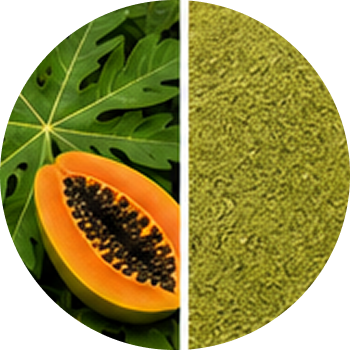
Papaya cutout
Carica papaya
Papaya (Leaf / Fruit)
Botanical Name Carica papaya
Common Name Papaya
Part Used Leaf / Fruit
Active Components Glycosides
Standardizations Available On request
Forms Available Dry, Spray Dry, Liquid, Oil, Paste
Herbal Extract Ratio 10:1
Organic icon Organic

Introduction

Papaya (Carica papaya) is a botanical long valued in Ayurvedic and traditional herbal practice. This extract is prepared from the leaf / fruit of the plant, standardised to capture its glycosides and offered as a concentrated 10:1 extract.

How It Benefits the Body

In the body, Papaya extract is traditionally used to promote healthy urine flow and the body's natural fluid balance, and neutralise free radicals and limit oxidative stress on cells. These effects are attributed largely to its glycosides.

Industries Served

Ayurvedic & herbal medicine, Nutraceuticals & dietary supplements, Cosmetics & personal care, Food & beverage.

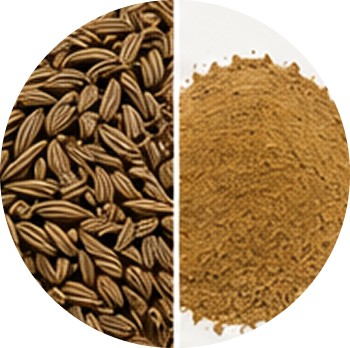
Caraway cutout
Carum carvi
Caraway (Seed)
Botanical Name Carum carvi
Common Name Caraway
Part Used Seed
Active Components Volatile Oil
Standardizations Available 1-5%
Forms Available Dry, Spray Dry, Liquid, Oil, Paste
Herbal Extract Ratio 5:1
Organic icon Organic

Introduction

Caraway (Carum carvi) is a botanical long valued in Ayurvedic and traditional herbal practice. This extract is prepared from the seed of the plant, standardised to capture its volatile oil and offered as a concentrated 5:1 extract.

How It Benefits the Body

In the body, Caraway extract is traditionally used to help ease joint and muscular pain and stiffness. These effects are attributed largely to its volatile oil standardised to 1-5%.

Industries Served

Ayurvedic & herbal medicine, Pharmaceuticals, Nutraceuticals & dietary supplements.

Ajwain cutout
Carum copticum
Ajwain (Seed)
Botanical Name Carum copticum
Common Name Ajwain
Part Used Seed
Active Components Volatile Oil
Standardizations Available On request
Forms Available Dry, Spray Dry, Liquid, Oil, Paste
Herbal Extract Ratio 10:1
Organic icon Organic

Introduction

Ajwain (Carum copticum) is a botanical long valued in Ayurvedic and traditional herbal practice. This extract is prepared from the seed of the plant, standardised to capture its volatile oil and offered as a concentrated 10:1 extract.

How It Benefits the Body

In the body, Ajwain extract is traditionally used to help the body resist microbial and infectious challenges. These effects are attributed largely to its volatile oil.

Industries Served

Ayurvedic & herbal medicine, Pharmaceuticals, Nutraceuticals & dietary supplements.

Saptrangi cutout
Casearia esculenta
Saptrangi (Root / Stem)
Botanical Name Casearia esculenta
Common Name Saptrangi
Part Used Root / Stem
Active Components Tannins
Standardizations Available 5%
Forms Available Dry, Spray Dry, Liquid, Oil, Paste
Herbal Extract Ratio 10:1
Organic icon Organic

Introduction

Saptrangi (Casearia esculenta) is a botanical long valued in Ayurvedic and traditional herbal practice. This extract is prepared from the root / stem of the plant, standardised to capture its tannins and offered as a concentrated 10:1 extract.

How It Benefits the Body

In the body, Saptrangi extract is traditionally used to support healthy blood-sugar balance. These effects are attributed largely to its tannins standardised to 5%.

Industries Served

Ayurvedic & herbal medicine, Nutraceuticals & dietary supplements, Pharmaceuticals.

Chaksu cutout
Cassia absus
Chaksu (Roots)
Botanical Name Cassia absus
Common Name Chaksu
Part Used Roots
Active Components Phytoconstituents
Standardizations Available On request
Forms Available Dry, Spray Dry, Liquid, Oil, Paste
Herbal Extract Ratio 5:1
Organic icon Organic

Introduction

Chaksu (Cassia absus) is a botanical long valued in Ayurvedic and traditional herbal practice. This extract is prepared from the roots of the plant, standardised to capture its naturally occurring phytoconstituents and offered as a concentrated 5:1 extract.

How It Benefits the Body

In the body, Chaksu extract is traditionally used to support relief from loose motions and digestive upset.

Industries Served

Ayurvedic & herbal medicine, Pharmaceuticals, Nutraceuticals & dietary supplements.

Dadmari cutout
Cassia alata
Dadmari (Leaf)
Botanical Name Cassia alata
Common Name Dadmari
Part Used Leaf
Active Components Phytoconstituents
Standardizations Available On request
Forms Available Dry, Spray Dry, Liquid, Oil, Paste
Herbal Extract Ratio 10:1
Organic icon Organic

Introduction

Dadmari (Cassia alata) is a botanical long valued in Ayurvedic and traditional herbal practice. This extract is prepared from the leaf of the plant, standardised to capture its naturally occurring phytoconstituents and offered as a concentrated 10:1 extract.

How It Benefits the Body

In the body, Dadmari extract is traditionally used to help the body resist microbial and infectious challenges.

Industries Served

Ayurvedic & herbal medicine, Pharmaceuticals, Cosmetics & personal care.

Senna cutout
Cassia angustifolia
Senna (Leaf)
Botanical Name Cassia angustifolia
Common Name Senna
Part Used Leaf
Active Components Sennosides
Standardizations Available 10-60%
Forms Available Dry, Spray Dry, Liquid, Oil, Paste
Herbal Extract Ratio 10:1
Organic icon Organic

Introduction

Senna (Cassia angustifolia) is a botanical long valued in Ayurvedic and traditional herbal practice. This extract is prepared from the leaf of the plant, standardised to capture its sennosides and offered as a concentrated 10:1 extract.

How It Benefits the Body

In the body, Senna extract is traditionally used to promote regular bowel movement and gentle elimination. These effects are attributed largely to its sennosides standardised to 10-60%.

Industries Served

Ayurvedic & herbal medicine, Pharmaceuticals, Nutraceuticals & dietary supplements.

Senna cutout
Cassia angustifolia
Senna (Pods)
Botanical Name Cassia angustifolia
Common Name Senna
Part Used Pods
Active Components Sennosides
Standardizations Available 2.5%
Forms Available Dry, Spray Dry, Liquid, Oil, Paste
Herbal Extract Ratio 10:1
Organic icon Organic

Introduction

Senna (Cassia angustifolia) is a botanical long valued in Ayurvedic and traditional herbal practice. This extract is prepared from the pods of the plant, standardised to capture its sennosides and offered as a concentrated 10:1 extract.

How It Benefits the Body

In the body, Senna extract is traditionally used to promote regular bowel movement and gentle elimination. These effects are attributed largely to its sennosides standardised to 2.5%.

Industries Served

Ayurvedic & herbal medicine, Pharmaceuticals, Nutraceuticals & dietary supplements.

Amaltas cutout
Cassia fistula
Amaltas (Fruit)
Botanical Name Cassia fistula
Common Name Amaltas
Part Used Vegetable
Active Components Bitters
Standardizations Available On request
Forms Available Dry, Spray Dry, Liquid, Oil, Paste
Herbal Extract Ratio 10:1
Organic icon Organic

Introduction

Amaltas (Cassia fistula) is a botanical long valued in Ayurvedic and traditional herbal practice. This extract is prepared from the fruit of the plant, standardised to capture its bitters and offered as a concentrated 10:1 extract.

How It Benefits the Body

In the body, Amaltas extract is traditionally used to promote regular bowel movement and gentle elimination. These effects are attributed largely to its bitters.

Industries Served

Ayurvedic & herbal medicine, Pharmaceuticals, Nutraceuticals & dietary supplements.

Kasondi cutout
Cassia occidentalis
Kasondi (Fruit)
Botanical Name Cassia occidentalis
Common Name Kasondi
Part Used Vegetable
Active Components Alkaloids
Standardizations Available On request
Forms Available Dry, Spray Dry, Liquid, Oil, Paste
Herbal Extract Ratio 10:1
Organic icon Organic

Introduction

Kasondi (Cassia occidentalis) is a botanical long valued in Ayurvedic and traditional herbal practice. This extract is prepared from the fruit of the plant, standardised to capture its alkaloids and offered as a concentrated 10:1 extract.

How It Benefits the Body

In the body, Kasondi extract is traditionally used to promote regular bowel movement and gentle elimination. These effects are attributed largely to its alkaloids.

Industries Served

Ayurvedic & herbal medicine, Pharmaceuticals, Nutraceuticals & dietary supplements.

Chakarmard cutout
Cassia tora
Chakarmard (Seed)
Botanical Name Cassia tora
Common Name Chakarmard
Part Used Seed
Active Components Glycosides
Standardizations Available 10-20%
Forms Available Dry, Spray Dry, Liquid, Oil, Paste
Herbal Extract Ratio 10:1
Organic icon Organic

Introduction

Chakarmard (Cassia tora) is a botanical long valued in Ayurvedic and traditional herbal practice. This extract is prepared from the seed of the plant, standardised to capture its glycosides and offered as a concentrated 10:1 extract.

How It Benefits the Body

In the body, Chakarmard extract is traditionally used to support the respiratory tract and help loosen and clear mucus, and relax smooth muscle and help ease spasms and coughing. These effects are attributed largely to its glycosides standardised to 10-20%.

Industries Served

Ayurvedic & herbal medicine, Pharmaceuticals, Nutraceuticals & dietary supplements.

Devdar cutout
Cedrus deodara
Devdar (Wood)
Botanical Name Cedrus deodara
Common Name Devdar
Part Used Wood
Active Components Volatile Matters
Standardizations Available 1%
Forms Available Dry, Spray Dry, Liquid, Oil, Paste
Herbal Extract Ratio 10:1
Organic icon Organic

Introduction

Devdar (Cedrus deodara) is a botanical long valued in Ayurvedic and traditional herbal practice. This extract is prepared from the wood of the plant, standardised to capture its volatile matters and offered as a concentrated 10:1 extract.

How It Benefits the Body

In the body, Devdar extract is traditionally used to help ease joint and muscular pain and stiffness. These effects are attributed largely to its volatile matters standardised to 1%.

Industries Served

Ayurvedic & herbal medicine, Pharmaceuticals, Nutraceuticals & dietary supplements.

Jyotishmati cutout
Celastrus paniculatus
Jyotishmati (Ripe Fruits)
Botanical Name Celastrus paniculatus
Common Name Jyotishmati
Part Used Ripe Fruits
Active Components Alkaloids
Standardizations Available 0.1%
Forms Available Dry, Spray Dry, Liquid, Oil, Paste
Herbal Extract Ratio 10:1
Organic icon Organic

Introduction

Jyotishmati (Celastrus paniculatus) is a botanical long valued in Ayurvedic and traditional herbal practice. This extract is prepared from the ripe fruits of the plant, standardised to capture its alkaloids and offered as a concentrated 10:1 extract.

How It Benefits the Body

In the body, Jyotishmati extract is traditionally used to calm and support the nervous system and mental wellbeing, and help ease joint and muscular pain and stiffness. These effects are attributed largely to its alkaloids standardised to 0.1%.

Industries Served

Ayurvedic & herbal medicine, Nutraceuticals & dietary supplements, Pharmaceuticals.

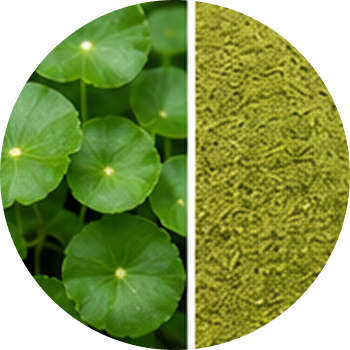
Gotukola cutout
Centella asiatica
Gotukola (Herb)
Botanical Name Centella asiatica
Common Name Gotukola
Part Used Herb
Active Components Asiaticosides
Standardizations Available >10%
Forms Available Dry, Spray Dry, Liquid, Oil, Paste
Herbal Extract Ratio 10:1
Organic icon Organic

Introduction

Gotukola (Centella asiatica) is a botanical long valued in Ayurvedic and traditional herbal practice. This extract is prepared from the herb of the plant, standardised to capture its asiaticosides and offered as a concentrated 10:1 extract.

How It Benefits the Body

In the body, Gotukola extract is traditionally used to calm and support the nervous system and mental wellbeing, and support healthy skin, hair and a clear complexion. These effects are attributed largely to its asiaticosides standardised to >10%.

Industries Served

Ayurvedic & herbal medicine, Cosmetics & personal care, Nutraceuticals & dietary supplements, Pharmaceuticals.

Kundaru cutout
Coccinia indica
Kundaru (Root)
Botanical Name Coccinia indica
Common Name Kundaru
Part Used Root
Active Components Phytoconstituents
Standardizations Available On request
Forms Available Dry, Spray Dry, Liquid, Oil, Paste
Herbal Extract Ratio 10:1
Organic icon Organic

Introduction

Kundaru (Coccinia indica) is a botanical long valued in Ayurvedic and traditional herbal practice. This extract is prepared from the root of the plant, standardised to capture its naturally occurring phytoconstituents and offered as a concentrated 10:1 extract.

How It Benefits the Body

In the body, Kundaru extract is traditionally used to support healthy blood-sugar balance.

Industries Served

Ayurvedic & herbal medicine, Nutraceuticals & dietary supplements, Pharmaceuticals.

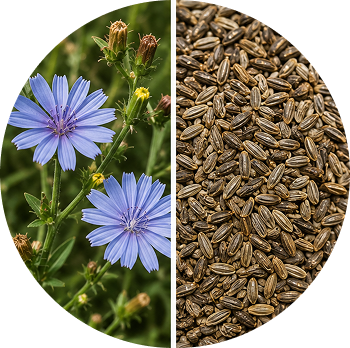
Chicory cutout
Cichorium intybus
Chicory (Seed)
Botanical Name Cichorium intybus
Common Name Chicory
Part Used Seed
Active Components Bitters
Standardizations Available 1%
Forms Available Dry, Spray Dry, Liquid, Oil, Paste
Herbal Extract Ratio 10:1
Organic icon Organic

Introduction

Chicory (Cichorium intybus) is a botanical long valued in Ayurvedic and traditional herbal practice. This extract is prepared from the seed of the plant, standardised to capture its bitters and offered as a concentrated 10:1 extract.

How It Benefits the Body

In the body, Chicory extract is traditionally used to ease digestion, relieve gas and bloating and soothe the stomach, and act as a restorative that supports overall strength and vitality. These effects are attributed largely to its bitters standardised to 1%.

Industries Served

Ayurvedic & herbal medicine, Nutraceuticals & dietary supplements, Food & beverage.

Tejpan cutout
Cinnamomum cassia
Tejpan (Leaf)
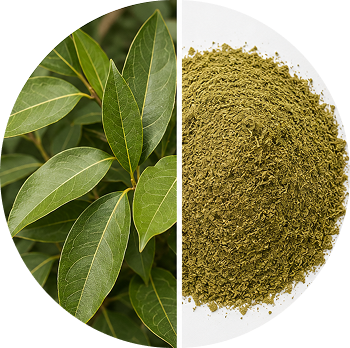
Botanical Name Cinnamomum cassia
Common Name Tejpan
Part Used Leaf
Active Components Polyphenols
Standardizations Available 10-20%
Forms Available Dry, Spray Dry, Liquid, Oil, Paste
Herbal Extract Ratio 6:1
Organic icon Organic

Introduction

Tejpan (Cinnamomum cassia) is a botanical long valued in Ayurvedic and traditional herbal practice. This extract is prepared from the leaf of the plant, standardised to capture its polyphenols and offered as a concentrated 6:1 extract.

How It Benefits the Body

In the body, Tejpan extract is traditionally used to help bring down fever and cool the body. These effects are attributed largely to its polyphenols standardised to 10-20%.

Industries Served

Ayurvedic & herbal medicine, Nutraceuticals & dietary supplements, Pharmaceuticals.

Cinnamon cutout
Cinnamomum zeylanicum
Cinnamon (Bark)
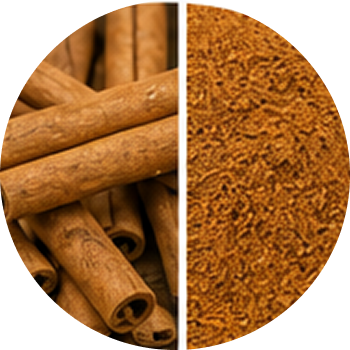
Botanical Name Cinnamomum zeylanicum
Common Name Cinnamon
Part Used Bark
Active Components Volatile Matters
Standardizations Available On request
Forms Available Dry, Spray Dry, Liquid, Oil, Paste
Herbal Extract Ratio 10:1
Organic icon Organic

Introduction

Cinnamon (Cinnamomum zeylanicum) is a botanical long valued in Ayurvedic and traditional herbal practice. This extract is prepared from the bark of the plant, standardised to capture its volatile matters and offered as a concentrated 10:1 extract.

How It Benefits the Body

In the body, Cinnamon extract is traditionally used to help the body resist microbial and infectious challenges. These effects are attributed largely to its volatile matters.

Industries Served

Ayurvedic & herbal medicine, Pharmaceuticals, Cosmetics & personal care.

Hadjor cutout
Cissus quadrangularis
Hadjor (Stem)
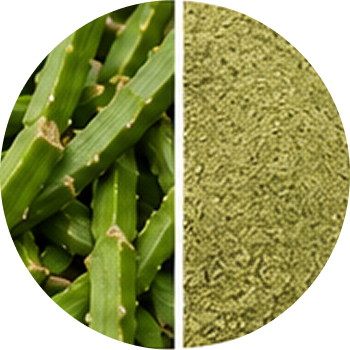
Botanical Name Cissus quadrangularis
Common Name Hadjor
Part Used Stem
Active Components Ketosterones
Standardizations Available 5%
Forms Available Dry, Spray Dry, Liquid, Oil, Paste
Herbal Extract Ratio 10:1
Organic icon Organic

Introduction

Hadjor (Cissus quadrangularis) is a botanical long valued in Ayurvedic and traditional herbal practice. This extract is prepared from the stem of the plant, standardised to capture its ketosterones and offered as a concentrated 10:1 extract.

How It Benefits the Body

In the body, Hadjor extract is traditionally used to support bone healing and skeletal strength. These effects are attributed largely to its ketosterones standardised to 5%.

Industries Served

Ayurvedic & herbal medicine, Nutraceuticals & dietary supplements, Pharmaceuticals.

Indrayan cutout
Citrullus colocynthis
Indrayan (Fruit)
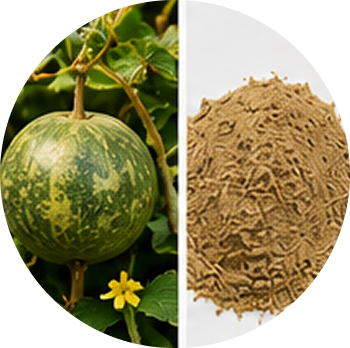
Botanical Name Citrullus colocynthis
Common Name Indrayan
Part Used Vegetable
Active Components Bitters
Standardizations Available 1-5%
Forms Available Dry, Spray Dry, Liquid, Oil, Paste
Herbal Extract Ratio 1:1
Organic icon Organic

Introduction

Indrayan (Citrullus colocynthis) is a botanical long valued in Ayurvedic and traditional herbal practice. This extract is prepared from the fruit of the plant, standardised to capture its bitters and offered as a concentrated 1:1 extract.

How It Benefits the Body

In the body, Indrayan extract is traditionally used to promote regular bowel movement and gentle elimination. These effects are attributed largely to its bitters standardised to 1-5%.

Industries Served

Ayurvedic & herbal medicine, Pharmaceuticals, Nutraceuticals & dietary supplements.

Indrayan cutout
Citrullus colocynthis
Indrayan (Root)
Botanical Name Citrullus colocynthis
Common Name Indrayan
Part Used Root
Active Components Bitters
Standardizations Available 1-10%
Forms Available Dry, Spray Dry, Liquid, Oil, Paste
Herbal Extract Ratio 10:1
Organic icon Organic

Introduction

Indrayan (Citrullus colocynthis) is a botanical long valued in Ayurvedic and traditional herbal practice. This extract is prepared from the root of the plant, standardised to capture its bitters and offered as a concentrated 10:1 extract.

How It Benefits the Body

In the body, Indrayan extract is traditionally used to promote regular bowel movement and gentle elimination, and help ease joint and muscular pain and stiffness. These effects are attributed largely to its bitters standardised to 1-10%.

Industries Served

Ayurvedic & herbal medicine, Pharmaceuticals, Nutraceuticals & dietary supplements.

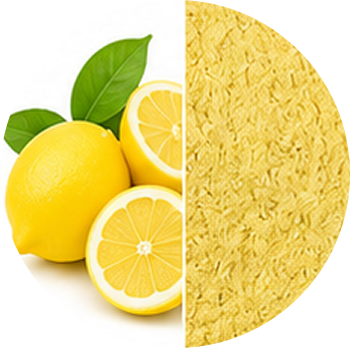
Lemon cutout
Citrus limonum
Lemon (Peel)
Botanical Name Citrus limonum
Common Name Lemon
Part Used Peel
Active Components Citric Acid
Standardizations Available On request
Forms Available Dry, Spray Dry, Liquid, Oil, Paste
Herbal Extract Ratio 10:1
Organic icon Organic

Introduction

Lemon (Citrus limonum) is a botanical long valued in Ayurvedic and traditional herbal practice. This extract is prepared from the peel of the plant, standardised to capture its citric acid and offered as a concentrated 10:1 extract.

How It Benefits the Body

In the body, Lemon extract is traditionally used to neutralise free radicals and limit oxidative stress on cells. These effects are attributed largely to its citric acid.

Industries Served

Ayurvedic & herbal medicine, Nutraceuticals & dietary supplements, Cosmetics & personal care, Food & beverage.

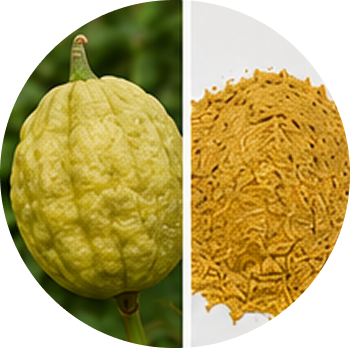
Bijora cutout
Citrus medica
Bijora (Peel)
Botanical Name Citrus medica
Common Name Bijora
Part Used Peel
Active Components Flavones
Standardizations Available 5%
Forms Available Dry, Spray Dry, Liquid, Oil, Paste
Herbal Extract Ratio 10:1
Organic icon Organic

Introduction

Bijora (Citrus medica) is a botanical long valued in Ayurvedic and traditional herbal practice. This extract is prepared from the peel of the plant, standardised to capture its flavones and offered as a concentrated 10:1 extract.

How It Benefits the Body

In the body, Bijora extract is traditionally used to support healthy skin, hair and a clear complexion. These effects are attributed largely to its flavones standardised to 5%.

Industries Served

Ayurvedic & herbal medicine, Cosmetics & personal care, Nutraceuticals & dietary supplements, Pharmaceuticals.

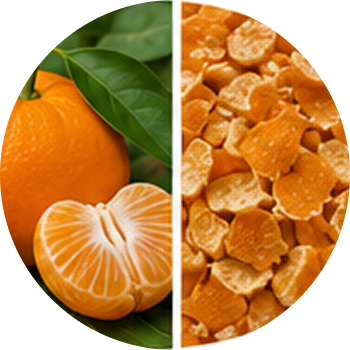
Orange cutout
Citrus reticulata
Orange (Peel / Fruit)
Botanical Name Citrus reticulata
Common Name Orange
Part Used Peel / Fruit
Active Components Flavones
Standardizations Available >4%
Forms Available Dry, Spray Dry, Liquid, Oil, Paste
Herbal Extract Ratio 10:1
Organic icon Organic

Introduction

Orange (Citrus reticulata) is a botanical long valued in Ayurvedic and traditional herbal practice. This extract is prepared from the peel / fruit of the plant, standardised to capture its flavones and offered as a concentrated 10:1 extract.

How It Benefits the Body

In the body, Orange extract is traditionally used to neutralise free radicals and limit oxidative stress on cells. These effects are attributed largely to its flavones standardised to >4%.

Industries Served

Ayurvedic & herbal medicine, Nutraceuticals & dietary supplements, Cosmetics & personal care, Food & beverage.

Arni cutout
Clerodendrum phlomidis
Arni (Root / Plant)
Botanical Name Clerodendrum phlomidis
Common Name Arni
Part Used Root / Plant
Active Components Alkaloids
Standardizations Available On request
Forms Available Dry, Spray Dry, Liquid, Oil, Paste
Herbal Extract Ratio 10:1
Organic icon Organic

Introduction

Arni (Clerodendrum phlomidis) is a botanical long valued in Ayurvedic and traditional herbal practice. This extract is prepared from the root / plant of the plant, standardised to capture its alkaloids and offered as a concentrated 10:1 extract.

How It Benefits the Body

In the body, Arni extract is traditionally used to support and help protect the liver. These effects are attributed largely to its alkaloids.

Industries Served

Ayurvedic & herbal medicine, Nutraceuticals & dietary supplements, Pharmaceuticals.

Bharangi cutout
Clerodendrum serratum
Bharangi (Root / Bark)
Botanical Name Clerodendrum serratum
Common Name Bharangi
Part Used Root / Bark
Active Components Alkaloids
Standardizations Available 1-1.5%
Forms Available Dry, Spray Dry, Liquid, Oil, Paste
Herbal Extract Ratio 10:1
Organic icon Organic

Introduction

Bharangi (Clerodendrum serratum) is a botanical long valued in Ayurvedic and traditional herbal practice. This extract is prepared from the root / bark of the plant, standardised to capture its alkaloids and offered as a concentrated 10:1 extract.

How It Benefits the Body

In the body, Bharangi extract is traditionally used to support and help protect the liver. These effects are attributed largely to its alkaloids standardised to 1-1.5%.

Industries Served

Ayurvedic & herbal medicine, Nutraceuticals & dietary supplements, Pharmaceuticals.

Suranjan cutout
Colchicum luteum
Suranjan (Corms)
Botanical Name Colchicum luteum
Common Name Suranjan
Part Used Corms
Active Components Alkaloids
Standardizations Available 0.5-5%
Forms Available Dry, Spray Dry, Liquid, Oil, Paste
Herbal Extract Ratio 10:1
Organic icon Organic

Introduction

Suranjan (Colchicum luteum) is a botanical long valued in Ayurvedic and traditional herbal practice. This extract is prepared from the corms of the plant, standardised to capture its alkaloids and offered as a concentrated 10:1 extract.

How It Benefits the Body

In the body, Suranjan extract is traditionally used to help ease joint and muscular pain and stiffness. These effects are attributed largely to its alkaloids standardised to 0.5-5%.

Industries Served

Ayurvedic & herbal medicine, Pharmaceuticals, Nutraceuticals & dietary supplements.

Pashanbhed cutout
Coleus amboinicus
Pashanbhed (Root)
Botanical Name Coleus amboinicus
Common Name Pashanbhed
Part Used Root
Active Components Tannins
Standardizations Available 1-5%
Forms Available Dry, Spray Dry, Liquid, Oil, Paste
Herbal Extract Ratio 10:1
Organic icon Organic

Introduction

Pashanbhed (Coleus amboinicus) is a botanical long valued in Ayurvedic and traditional herbal practice. This extract is prepared from the root of the plant, standardised to capture its tannins and offered as a concentrated 10:1 extract.

How It Benefits the Body

In the body, Pashanbhed extract is traditionally used to promote healthy urine flow and the body's natural fluid balance. These effects are attributed largely to its tannins standardised to 1-5%.

Industries Served

Ayurvedic & herbal medicine, Nutraceuticals & dietary supplements, Pharmaceuticals.

Garmar cutout
Coleus forskohlii
Garmar (Root)
Botanical Name Coleus forskohlii
Common Name Garmar
Part Used Root
Active Components Forskolin
Standardizations Available 2-30%
Forms Available Dry, Spray Dry, Liquid, Oil, Paste
Herbal Extract Ratio 10:1
Organic icon Organic

Introduction

Garmar (Coleus forskohlii) is a botanical long valued in Ayurvedic and traditional herbal practice. This extract is prepared from the root of the plant, standardised to capture its forskolin and offered as a concentrated 10:1 extract.

How It Benefits the Body

In the body, Garmar extract is traditionally used to support general health and wellbeing within traditional formulations. These effects are attributed largely to its forskolin standardised to 2-30%.

Industries Served

Ayurvedic & herbal medicine, Nutraceuticals & dietary supplements, Pharmaceuticals.

Guggul cutout
Commiphora mukul
Guggul (Gum)
Botanical Name Commiphora mukul
Common Name Guggul
Part Used Gum
Active Components Guggulsterones
Standardizations Available 2.5-10%
Forms Available Dry, Spray Dry, Liquid, Oil, Paste
Herbal Extract Ratio 6:1
Organic icon Organic

Introduction

Guggul (Commiphora mukul) is a botanical long valued in Ayurvedic and traditional herbal practice. This extract is prepared from the gum of the plant, standardised to capture its guggulsterones and offered as a concentrated 6:1 extract.

How It Benefits the Body

In the body, Guggul extract is traditionally used to help ease joint and muscular pain and stiffness, and support healthy cholesterol, lipid and weight management. These effects are attributed largely to its guggulsterones standardised to 2.5-10%.

Industries Served

Ayurvedic & herbal medicine, Pharmaceuticals, Nutraceuticals & dietary supplements.

Myrrh cutout
Commiphora myrrha
Myrrh (Gum)
Botanical Name Commiphora myrrha
Common Name Myrrh
Part Used Gum
Active Components Volatile Oil
Standardizations Available 1-5%
Forms Available Dry, Spray Dry, Liquid, Oil, Paste
Herbal Extract Ratio 4:1
Organic icon Organic

Introduction

Myrrh (Commiphora myrrha) is a botanical long valued in Ayurvedic and traditional herbal practice. This extract is prepared from the gum of the plant, standardised to capture its volatile oil and offered as a concentrated 4:1 extract.

How It Benefits the Body

In the body, Myrrh extract is traditionally used to tone tissues and help check excess secretions and minor bleeding. These effects are attributed largely to its volatile oil standardised to 1-5%.

Industries Served

Ayurvedic & herbal medicine, Cosmetics & personal care, Nutraceuticals & dietary supplements, Pharmaceuticals.

Shankhpushpi cutout
Convolvulus pluricaulis
Shankhpushpi (Herb)
Botanical Name Convolvulus pluricaulis
Common Name Shankhpushpi
Part Used Herb
Active Components Bitters
Standardizations Available 2.5-3%
Forms Available Dry, Spray Dry, Liquid, Oil, Paste
Herbal Extract Ratio 10:1
Organic icon Organic

Introduction

Shankhpushpi (Convolvulus pluricaulis) is a botanical long valued in Ayurvedic and traditional herbal practice. This extract is prepared from the herb of the plant, standardised to capture its bitters and offered as a concentrated 10:1 extract.

How It Benefits the Body

In the body, Shankhpushpi extract is traditionally used to calm and support the nervous system and mental wellbeing. These effects are attributed largely to its bitters standardised to 2.5-3%.

Industries Served

Ayurvedic & herbal medicine, Nutraceuticals & dietary supplements, Pharmaceuticals.

Coriander cutout
Coriandrum sativum
Coriander (Seeds)
Botanical Name Coriandrum sativum
Common Name Coriander
Part Used Seeds
Active Components Volatile Matters
Standardizations Available 1%
Forms Available Dry, Spray Dry, Liquid, Oil, Paste
Herbal Extract Ratio 10:1
Organic icon Organic

Introduction

Coriander (Coriandrum sativum) is a botanical long valued in Ayurvedic and traditional herbal practice. This extract is prepared from the seeds of the plant, standardised to capture its volatile matters and offered as a concentrated 10:1 extract.

How It Benefits the Body

In the body, Coriander extract is traditionally used to ease digestion, relieve gas and bloating and soothe the stomach. These effects are attributed largely to its volatile matters standardised to 1%.

Industries Served

Ayurvedic & herbal medicine, Food & beverage, Nutraceuticals & dietary supplements, Pharmaceuticals.

Varuna cutout
Crataeva nurvala
Varuna (Bark)
Botanical Name Crataeva nurvala
Common Name Varuna
Part Used Bark
Active Components Saponins
Standardizations Available 5%
Forms Available Dry, Spray Dry, Liquid, Oil, Paste
Herbal Extract Ratio 10:1
Organic icon Organic

Introduction

Varuna (Crataeva nurvala) is a botanical long valued in Ayurvedic and traditional herbal practice. This extract is prepared from the bark of the plant, standardised to capture its saponins and offered as a concentrated 10:1 extract.

How It Benefits the Body

In the body, Varuna extract is traditionally used to promote healthy urine flow and the body's natural fluid balance. These effects are attributed largely to its saponins standardised to 5%.

Industries Served

Ayurvedic & herbal medicine, Nutraceuticals & dietary supplements, Pharmaceuticals.

Cucumber cutout
Cucumis sativus
Cucumber (Vegetable / Seed)
Botanical Name Cucumis sativus
Common Name Cucumber
Part Used Vegetable
Active Components Mucilage
Standardizations Available 5-24%
Forms Available Dry, Spray Dry, Liquid, Oil, Paste
Herbal Extract Ratio 10:1
Organic icon Organic

Introduction

Cucumber (Cucumis sativus) is a botanical long valued in Ayurvedic and traditional herbal practice. This extract is prepared from the fruit / seed of the plant, standardised to capture its mucilage and offered as a concentrated 10:1 extract.

How It Benefits the Body

In the body, Cucumber extract is traditionally used to promote healthy urine flow and the body's natural fluid balance. These effects are attributed largely to its mucilage standardised to 5-24%.

Industries Served

Ayurvedic & herbal medicine, Nutraceuticals & dietary supplements, Pharmaceuticals.

Cumin cutout
Cuminum cyminum
Cumin (Seed)
Botanical Name Cuminum cyminum
Common Name Cumin
Part Used Seed
Active Components Volatile Oil
Standardizations Available 1%
Forms Available Dry, Spray Dry, Liquid, Oil, Paste
Herbal Extract Ratio 10:1
Organic icon Organic

Introduction

Cumin (Cuminum cyminum) is a botanical long valued in Ayurvedic and traditional herbal practice. This extract is prepared from the seed of the plant, standardised to capture its volatile oil and offered as a concentrated 10:1 extract.

How It Benefits the Body

In the body, Cumin extract is traditionally used to ease digestion, relieve gas and bloating and soothe the stomach, and provide a gentle, invigorating and energising effect. These effects are attributed largely to its volatile oil standardised to 1%.

Industries Served

Ayurvedic & herbal medicine, Food & beverage, Nutraceuticals & dietary supplements, Pharmaceuticals.

Kali Musli cutout
Curculigo orchioides
Kali Musli (Root)
Botanical Name Curculigo orchioides
Common Name Kali Musli
Part Used Root
Active Components Saponins
Standardizations Available 20%
Forms Available Dry, Spray Dry, Liquid, Oil, Paste
Herbal Extract Ratio 10:1
Organic icon Organic

Introduction

Kali Musli (Curculigo orchioides) is a botanical long valued in Ayurvedic and traditional herbal practice. This extract is prepared from the root of the plant, standardised to capture its saponins and offered as a concentrated 10:1 extract.

How It Benefits the Body

In the body, Kali Musli extract is traditionally used to act as a restorative that supports overall strength and vitality. These effects are attributed largely to its saponins standardised to 20%.

Industries Served

Ayurvedic & herbal medicine, Nutraceuticals & dietary supplements, Food & beverage.

Mango Ginger cutout
Curcuma amada
Mango Ginger (Rhizome)
Botanical Name Curcuma amada
Common Name Mango Ginger
Part Used Rhizome
Active Components Volatile Oil
Standardizations Available 1%
Forms Available Dry, Spray Dry, Liquid, Oil, Paste
Herbal Extract Ratio 10:1
Organic icon Organic

Introduction

Mango Ginger (Curcuma amada) is a botanical long valued in Ayurvedic and traditional herbal practice. This extract is prepared from the rhizome of the plant, standardised to capture its volatile oil and offered as a concentrated 10:1 extract.

How It Benefits the Body

In the body, Mango Ginger extract is traditionally used to ease digestion, relieve gas and bloating and soothe the stomach. These effects are attributed largely to its volatile oil standardised to 1%.

Industries Served

Ayurvedic & herbal medicine, Food & beverage, Nutraceuticals & dietary supplements, Pharmaceuticals.

Turmeric cutout
Curcuma longa
Turmeric (Rhizome)
Botanical Name Curcuma longa
Common Name Turmeric
Part Used Rhizome
Active Components Curcuminoids
Standardizations Available 5-95%
Forms Available Dry, Spray Dry, Liquid, Oil, Paste
Herbal Extract Ratio 10:1
Organic icon Organic

Introduction

Turmeric (Curcuma longa) is a botanical long valued in Ayurvedic and traditional herbal practice. This extract is prepared from the rhizome of the plant, standardised to capture its curcuminoids and offered as a concentrated 10:1 extract.

How It Benefits the Body

In the body, Turmeric extract is traditionally used to help calm inflammation and the discomfort that comes with it. These effects are attributed largely to its curcuminoids standardised to 5-95%.

Industries Served

Ayurvedic & herbal medicine, Pharmaceuticals, Cosmetics & personal care.

Kachuro cutout
Curcuma zedoaria
Kachuro (Bulb)
Botanical Name Curcuma zedoaria
Common Name Kachuro
Part Used Bulb
Active Components Starch
Standardizations Available On request
Forms Available Dry, Spray Dry, Liquid, Oil, Paste
Herbal Extract Ratio 10:1
Organic icon Organic

Introduction

Kachuro (Curcuma zedoaria) is a botanical long valued in Ayurvedic and traditional herbal practice. This extract is prepared from the bulb of the plant, standardised to capture its starch and offered as a concentrated 10:1 extract.

How It Benefits the Body

In the body, Kachuro extract is traditionally used to help calm inflammation and the discomfort that comes with it, and help ease joint and muscular pain and stiffness. These effects are attributed largely to its starch.

Industries Served

Ayurvedic & herbal medicine, Pharmaceuticals, Cosmetics & personal care.

Doorva cutout
Cynodon dactylon
Doorva (Plant)
Botanical Name Cynodon dactylon
Common Name Doorva
Part Used Plant
Active Components Tannins
Standardizations Available 5%
Forms Available Dry, Spray Dry, Liquid, Oil, Paste
Herbal Extract Ratio 10:1
Organic icon Organic

Introduction

Doorva (Cynodon dactylon) is a botanical long valued in Ayurvedic and traditional herbal practice. This extract is prepared from the plant of the plant, standardised to capture its tannins and offered as a concentrated 10:1 extract.

How It Benefits the Body

In the body, Doorva extract is traditionally used to tone tissues and help check excess secretions and minor bleeding. These effects are attributed largely to its tannins standardised to 5%.

Industries Served

Ayurvedic & herbal medicine, Cosmetics & personal care, Nutraceuticals & dietary supplements, Pharmaceuticals.

Nagarmotha cutout
Cyperus rotundus
Nagarmotha (Root)
Botanical Name Cyperus rotundus
Common Name Nagarmotha
Part Used Root
Active Components Volatile Oil
Standardizations Available 1%
Forms Available Dry, Spray Dry, Liquid, Oil, Paste
Herbal Extract Ratio 10:1
Organic icon Organic

Introduction

Nagarmotha (Cyperus rotundus) is a botanical long valued in Ayurvedic and traditional herbal practice. This extract is prepared from the root of the plant, standardised to capture its volatile oil and offered as a concentrated 10:1 extract.

How It Benefits the Body

In the body, Nagarmotha extract is traditionally used to ease digestion, relieve gas and bloating and soothe the stomach. These effects are attributed largely to its volatile oil standardised to 1%.

Industries Served

Ayurvedic & herbal medicine, Nutraceuticals & dietary supplements, Pharmaceuticals.

D.G.L. cutout
DGL Licorice
D.G.L. (Root)
Botanical Name DGL Licorice
Common Name D.G.L.
Part Used Root
Active Components Flavones
Standardizations Available >1%
Forms Available Dry, Spray Dry, Liquid, Oil, Paste
Herbal Extract Ratio 10:1
Organic icon Organic

Introduction

D.G.L. (DGL Licorice) is a botanical long valued in Ayurvedic and traditional herbal practice. This extract is prepared from the root of the plant, standardised to capture its flavones and offered as a concentrated 10:1 extract.

How It Benefits the Body

In the body, D.G.L. extract is traditionally used to ease digestion, relieve gas and bloating and soothe the stomach. These effects are attributed largely to its flavones standardised to >1%.

Industries Served

Ayurvedic & herbal medicine, Pharmaceuticals, Nutraceuticals & dietary supplements.

Kulthi cutout
Dolichos biflorus
Kulthi (Seed)
Botanical Name Dolichos biflorus
Common Name Kulthi
Part Used Seed
Active Components Saponins
Standardizations Available 20%
Forms Available Dry, Spray Dry, Liquid, Oil, Paste
Herbal Extract Ratio 10:1
Organic icon Organic

Introduction

Kulthi (Dolichos biflorus) is a botanical long valued in Ayurvedic and traditional herbal practice. This extract is prepared from the seed of the plant, standardised to capture its saponins and offered as a concentrated 10:1 extract.

How It Benefits the Body

In the body, Kulthi extract is traditionally used to promote healthy urine flow and the body's natural fluid balance. These effects are attributed largely to its saponins standardised to 20%.

Industries Served

Ayurvedic & herbal medicine, Nutraceuticals & dietary supplements, Pharmaceuticals.

Bhringaraja cutout
Eclipta alba
Bhringaraja (Plant)
Botanical Name Eclipta alba
Common Name Bhringaraja
Part Used Plant
Active Components Bitters
Standardizations Available 3%
Forms Available Dry, Spray Dry, Liquid, Oil, Paste
Herbal Extract Ratio 10:1
Organic icon Organic

Introduction

Bhringaraja (Eclipta alba) is a botanical long valued in Ayurvedic and traditional herbal practice. This extract is prepared from the plant of the plant, standardised to capture its bitters and offered as a concentrated 10:1 extract.

How It Benefits the Body

In the body, Bhringaraja extract is traditionally used to support and help protect the liver. These effects are attributed largely to its bitters standardised to 3%.

Industries Served

Ayurvedic & herbal medicine, Nutraceuticals & dietary supplements, Pharmaceuticals.

Elaichi cutout
Elettaria cardamomum
Elaichi (Fruit)
Botanical Name Elettaria cardamomum
Common Name Elaichi
Part Used Vegetable
Active Components Volatile Oil
Standardizations Available On request
Forms Available Dry, Spray Dry, Liquid, Oil, Paste
Herbal Extract Ratio 4:1
Organic icon Organic

Introduction

Elaichi (Elettaria cardamomum) is a botanical long valued in Ayurvedic and traditional herbal practice. This extract is prepared from the fruit of the plant, standardised to capture its volatile oil and offered as a concentrated 4:1 extract.

How It Benefits the Body

In the body, Elaichi extract is traditionally used to help the body resist microbial and infectious challenges. These effects are attributed largely to its volatile oil.

Industries Served

Ayurvedic & herbal medicine, Pharmaceuticals, Nutraceuticals & dietary supplements.

Vidang cutout
Embelia ribes
Vidang (Seed)
Botanical Name Embelia ribes
Common Name Vidang
Part Used Seed
Active Components Embelin
Standardizations Available 1-8%
Forms Available Dry, Spray Dry, Liquid, Oil, Paste
Herbal Extract Ratio 10:1
Organic icon Organic

Introduction

Vidang (Embelia ribes) is a botanical long valued in Ayurvedic and traditional herbal practice. This extract is prepared from the seed of the plant, standardised to capture its embelin and offered as a concentrated 10:1 extract.

How It Benefits the Body

In the body, Vidang extract is traditionally used to help expel intestinal worms and parasites. These effects are attributed largely to its embelin standardised to 1-8%.

Industries Served

Ayurvedic & herbal medicine, Pharmaceuticals, Nutraceuticals & dietary supplements.

Amla cutout
Emblica officinalis
Amla (Fruit)
Botanical Name Emblica officinalis
Common Name Amla
Part Used Vegetable
Active Components Tannins
Standardizations Available 20-40%
Forms Available Dry, Spray Dry, Liquid, Oil, Paste
Herbal Extract Ratio 4:1
Organic icon Organic

Introduction

Amla (Emblica officinalis) is a botanical long valued in Ayurvedic and traditional herbal practice. This extract is prepared from the fruit of the plant, standardised to capture its tannins and offered as a concentrated 4:1 extract.

How It Benefits the Body

In the body, Amla extract is traditionally used to neutralise free radicals and limit oxidative stress on cells, and act as a restorative that supports overall strength and vitality. These effects are attributed largely to its tannins standardised to 20-40%.

Industries Served

Ayurvedic & herbal medicine, Nutraceuticals & dietary supplements, Cosmetics & personal care, Food & beverage.

Mamejava cutout
Enicostemma littorale
Mamejava (Herb)
Botanical Name Enicostemma littorale
Common Name Mamejava
Part Used Herb
Active Components Bitters
Standardizations Available 1-4%
Forms Available Dry, Spray Dry, Liquid, Oil, Paste
Herbal Extract Ratio 10:1
Organic icon Organic

Introduction

Mamejava (Enicostemma littorale) is a botanical long valued in Ayurvedic and traditional herbal practice. This extract is prepared from the herb of the plant, standardised to capture its bitters and offered as a concentrated 10:1 extract.

How It Benefits the Body

In the body, Mamejava extract is traditionally used to act as a restorative that supports overall strength and vitality, and promote regular bowel movement and gentle elimination. These effects are attributed largely to its bitters standardised to 1-4%.

Industries Served

Ayurvedic & herbal medicine, Nutraceuticals & dietary supplements, Pharmaceuticals, Food & beverage.

Somlata cutout
Ephedra vulgaris
Somlata (Herb)
Botanical Name Ephedra vulgaris
Common Name Somlata
Part Used Herb
Active Components Alkaloids
Standardizations Available 0.2-0.5%
Forms Available Dry, Spray Dry, Liquid, Oil, Paste
Herbal Extract Ratio 10:1
Organic icon Organic

Introduction

Somlata (Ephedra vulgaris) is a botanical long valued in Ayurvedic and traditional herbal practice. This extract is prepared from the herb of the plant, standardised to capture its alkaloids and offered as a concentrated 10:1 extract.

How It Benefits the Body

In the body, Somlata extract is traditionally used to provide a gentle, invigorating and energising effect. These effects are attributed largely to its alkaloids standardised to 0.2-0.5%.

Industries Served

Ayurvedic & herbal medicine, Food & beverage, Nutraceuticals & dietary supplements, Pharmaceuticals.

Talmakhana cutout
Eracantha longifolia
Talmakhana (Plant)
Botanical Name Eracantha longifolia
Common Name Talmakhana
Part Used Plant
Active Components Alkaloids
Standardizations Available 0.35%
Forms Available Dry, Spray Dry, Liquid, Oil, Paste
Herbal Extract Ratio 10:1
Organic icon Organic

Introduction

Talmakhana (Eracantha longifolia) is a botanical long valued in Ayurvedic and traditional herbal practice. This extract is prepared from the plant of the plant, standardised to capture its alkaloids and offered as a concentrated 10:1 extract.

How It Benefits the Body

In the body, Talmakhana extract is traditionally used to help ease joint and muscular pain and stiffness. These effects are attributed largely to its alkaloids standardised to 0.35%.

Industries Served

Ayurvedic & herbal medicine, Pharmaceuticals, Nutraceuticals & dietary supplements.

Jamun cutout
Syzygium cumini
Jamun (Seed)
Botanical Name Syzygium cumini
Common Name Jamun
Part Used Seed
Active Components Alkaloids
Standardizations Available 0.4%
Forms Available Dry, Spray Dry, Liquid, Oil, Paste
Herbal Extract Ratio 10:1
Organic icon Organic

Introduction

Jamun (Syzygium cumini) is a botanical long valued in Ayurvedic and traditional herbal practice. This extract is prepared from the seed of the plant, standardised to capture its alkaloids and offered as a concentrated 10:1 extract.

How It Benefits the Body

In the body, Jamun extract is traditionally used to support healthy blood-sugar balance. These effects are attributed largely to its alkaloids standardised to 0.4%.

Industries Served

Ayurvedic & herbal medicine, Nutraceuticals & dietary supplements, Pharmaceuticals.

Dudhi cutout
Euphorbia hirta
Dudhi (Herb)
Botanical Name Euphorbia hirta
Common Name Dudhi
Part Used Herb
Active Components Flavones
Standardizations Available >6%
Forms Available Dry, Spray Dry, Liquid, Oil, Paste
Herbal Extract Ratio 10:1
Organic icon Organic

Introduction

Dudhi (Euphorbia hirta) is a botanical long valued in Ayurvedic and traditional herbal practice. This extract is prepared from the herb of the plant, standardised to capture its flavones and offered as a concentrated 10:1 extract.

How It Benefits the Body

In the body, Dudhi extract is traditionally used to relax smooth muscle and help ease spasms and coughing. These effects are attributed largely to its flavones standardised to >6%.

Industries Served

Ayurvedic & herbal medicine, Pharmaceuticals, Nutraceuticals & dietary supplements.

Shankhpushpi cutout
Evolvulus alsinoides
Shankhpushpi (Plant)
Botanical Name Evolvulus alsinoides
Common Name Shankhpushpi
Part Used Plant
Active Components Bitters
Standardizations Available 1-2.5%
Forms Available Dry, Spray Dry, Liquid, Oil, Paste
Herbal Extract Ratio 10:1
Organic icon Organic

Introduction

Shankhpushpi (Evolvulus alsinoides) is a botanical long valued in Ayurvedic and traditional herbal practice. This extract is prepared from the plant of the plant, standardised to capture its bitters and offered as a concentrated 10:1 extract.

How It Benefits the Body

In the body, Shankhpushpi extract is traditionally used to calm and support the nervous system and mental wellbeing, and act as a restorative that supports overall strength and vitality. These effects are attributed largely to its bitters standardised to 1-2.5%.

Industries Served

Ayurvedic & herbal medicine, Nutraceuticals & dietary supplements, Food & beverage.

Dhamasa cutout
Fagonia cretica
Dhamasa (Herb)
Botanical Name Fagonia cretica
Common Name Dhamasa
Part Used Herb
Active Components Alkaloids
Standardizations Available 2%
Forms Available Dry, Spray Dry, Liquid, Oil, Paste
Herbal Extract Ratio 10:1
Organic icon Organic

Introduction

Dhamasa (Fagonia cretica) is a botanical long valued in Ayurvedic and traditional herbal practice. This extract is prepared from the herb of the plant, standardised to capture its alkaloids and offered as a concentrated 10:1 extract.

How It Benefits the Body

In the body, Dhamasa extract is traditionally used to is being studied for cell-protective and anti-tumour properties. These effects are attributed largely to its alkaloids standardised to 2%.

Industries Served

Ayurvedic & herbal medicine, Pharmaceuticals, Nutraceuticals & dietary supplements.

Hing cutout
Ferula asafoetida
Hing (Gum Resin)
Botanical Name Ferula asafoetida
Common Name Hing
Part Used Gum Resin
Active Components Volatile Oil
Standardizations Available 1.5%
Forms Available Dry, Spray Dry, Liquid, Oil, Paste
Herbal Extract Ratio 4:1
Organic icon Organic

Introduction

Hing (Ferula asafoetida) is a botanical long valued in Ayurvedic and traditional herbal practice. This extract is prepared from the gum resin of the plant, standardised to capture its volatile oil and offered as a concentrated 4:1 extract.

How It Benefits the Body

In the body, Hing extract is traditionally used to ease digestion, relieve gas and bloating and soothe the stomach, and provide a gentle, invigorating and energising effect. These effects are attributed largely to its volatile oil standardised to 1.5%.

Industries Served

Ayurvedic & herbal medicine, Food & beverage, Nutraceuticals & dietary supplements, Pharmaceuticals.

Anjir cutout
Ficus carica
Anjir (Fruit)
Botanical Name Ficus carica
Common Name Anjir
Part Used Vegetable
Active Components Invert Sugars
Standardizations Available 10-50%
Forms Available Dry, Spray Dry, Liquid, Oil, Paste
Herbal Extract Ratio 10:1
Organic icon Organic

Introduction

Anjir (Ficus carica) is a botanical long valued in Ayurvedic and traditional herbal practice. This extract is prepared from the fruit of the plant, standardised to capture its invert sugars and offered as a concentrated 10:1 extract.

How It Benefits the Body

In the body, Anjir extract is traditionally used to neutralise free radicals and limit oxidative stress on cells, and help calm inflammation and the discomfort that comes with it. These effects are attributed largely to its invert sugars standardised to 10-50%.

Industries Served

Ayurvedic & herbal medicine, Nutraceuticals & dietary supplements, Pharmaceuticals, Cosmetics & personal care, Food & beverage.

Udamber cutout
Ficus racemosa
Udamber (Bark)
Botanical Name Ficus racemosa
Common Name Udamber
Part Used Bark
Active Components Tannins
Standardizations Available 10%
Forms Available Dry, Spray Dry, Liquid, Oil, Paste
Herbal Extract Ratio 10:1
Organic icon Organic

Introduction

Udamber (Ficus racemosa) is a botanical long valued in Ayurvedic and traditional herbal practice. This extract is prepared from the bark of the plant, standardised to capture its tannins and offered as a concentrated 10:1 extract.

How It Benefits the Body

In the body, Udamber extract is traditionally used to tone tissues and help check excess secretions and minor bleeding. These effects are attributed largely to its tannins standardised to 10%.

Industries Served

Ayurvedic & herbal medicine, Cosmetics & personal care, Nutraceuticals & dietary supplements, Pharmaceuticals.

Udamber cutout
Ficus racemosa
Udamber (Leaf)
Botanical Name Ficus racemosa
Common Name Udamber
Part Used Leaf
Active Components Tannins
Standardizations Available 5%
Forms Available Dry, Spray Dry, Liquid, Oil, Paste
Herbal Extract Ratio 10:1
Organic icon Organic

Introduction

Udamber (Ficus racemosa) is a botanical long valued in Ayurvedic and traditional herbal practice. This extract is prepared from the leaf of the plant, standardised to capture its tannins and offered as a concentrated 10:1 extract.

How It Benefits the Body

In the body, Udamber extract is traditionally used to tone tissues and help check excess secretions and minor bleeding. These effects are attributed largely to its tannins standardised to 5%.

Industries Served

Ayurvedic & herbal medicine, Cosmetics & personal care, Nutraceuticals & dietary supplements, Pharmaceuticals.

Pippal cutout
Ficus religiosa
Pippal (Bark)
Botanical Name Ficus religiosa
Common Name Pippal
Part Used Bark
Active Components Tannins
Standardizations Available On request
Forms Available Dry, Spray Dry, Liquid, Oil, Paste
Herbal Extract Ratio 10:1
Organic icon Organic

Introduction

Pippal (Ficus religiosa) is a botanical long valued in Ayurvedic and traditional herbal practice. This extract is prepared from the bark of the plant, standardised to capture its tannins and offered as a concentrated 10:1 extract.

How It Benefits the Body

In the body, Pippal extract is traditionally used to ease digestion, relieve gas and bloating and soothe the stomach. These effects are attributed largely to its tannins.

Industries Served

Ayurvedic & herbal medicine, Pharmaceuticals, Nutraceuticals & dietary supplements.

Banyan cutout
Ficus bengalensis
Banyan (Leaves / Bark)
Botanical Name Ficus bengalensis
Common Name Banyan
Part Used Leaves / Bark
Active Components Tannins
Standardizations Available 5-20%
Forms Available Dry, Spray Dry, Liquid, Oil, Paste
Herbal Extract Ratio 10:1
Organic icon Organic

Introduction

Banyan (Ficus bengalensis) is a botanical long valued in Ayurvedic and traditional herbal practice. This extract is prepared from the leaves / bark of the plant, standardised to capture its tannins and offered as a concentrated 10:1 extract.

How It Benefits the Body

In the body, Banyan extract is traditionally used to ease digestion, relieve gas and bloating and soothe the stomach. These effects are attributed largely to its tannins standardised to 5-20%.

Industries Served

Ayurvedic & herbal medicine, Pharmaceuticals, Nutraceuticals & dietary supplements.

Fennel cutout
Foeniculum vulgare
Fennel (Seed)
Botanical Name Foeniculum vulgare
Common Name Fennel
Part Used Seed
Active Components Volatile Oil
Standardizations Available >1%
Forms Available Dry, Spray Dry, Liquid, Oil, Paste
Herbal Extract Ratio 10:1
Organic icon Organic

Introduction

Fennel (Foeniculum vulgare) is a botanical long valued in Ayurvedic and traditional herbal practice. This extract is prepared from the seed of the plant, standardised to capture its volatile oil and offered as a concentrated 10:1 extract.

How It Benefits the Body

In the body, Fennel extract is traditionally used to ease digestion, relieve gas and bloating and soothe the stomach. These effects are attributed largely to its volatile oil standardised to >1%.

Industries Served

Ayurvedic & herbal medicine, Food & beverage, Nutraceuticals & dietary supplements, Pharmaceuticals.

Pit Papda cutout
Fumaria officinalis
Pit Papda (Herb)
Botanical Name Fumaria officinalis
Common Name Pit Papda
Part Used Herb
Active Components Alkaloids
Standardizations Available 1.5%
Forms Available Dry, Spray Dry, Liquid, Oil, Paste
Herbal Extract Ratio 10:1
Organic icon Organic

Introduction

Pit Papda (Fumaria officinalis) is a botanical long valued in Ayurvedic and traditional herbal practice. This extract is prepared from the herb of the plant, standardised to capture its alkaloids and offered as a concentrated 10:1 extract.

How It Benefits the Body

In the body, Pit Papda extract is traditionally used to promote healthy urine flow and the body's natural fluid balance, and help expel intestinal worms and parasites. These effects are attributed largely to its alkaloids standardised to 1.5%.

Industries Served

Ayurvedic & herbal medicine, Pharmaceuticals, Nutraceuticals & dietary supplements.

Kokum cutout
Garcinia cambogia
Kokum (Fruit)
Botanical Name Garcinia cambogia
Common Name Kokum
Part Used Vegetable
Active Components HCA
Standardizations Available 40-60%
Forms Available Dry, Spray Dry, Liquid, Oil, Paste
Herbal Extract Ratio 5:1
Organic icon Organic

Introduction

Kokum (Garcinia cambogia) is a botanical long valued in Ayurvedic and traditional herbal practice. This extract is prepared from the fruit of the plant, standardised to capture its hca and offered as a concentrated 5:1 extract.

How It Benefits the Body

In the body, Kokum extract is traditionally used to ease digestion, relieve gas and bloating and soothe the stomach, and support healthy cholesterol, lipid and weight management. These effects are attributed largely to its hca standardised to 40-60%.

Industries Served

Ayurvedic & herbal medicine, Nutraceuticals & dietary supplements, Food & beverage.

Kalihari cutout
Gloriosa superba
Kalihari (Seed)
Botanical Name Gloriosa superba
Common Name Kalihari
Part Used Seed
Active Components Alkaloids
Standardizations Available 0.8-1.2%
Forms Available Dry, Spray Dry, Liquid, Oil, Paste
Herbal Extract Ratio 10:1
Organic icon Organic

Introduction

Kalihari (Gloriosa superba) is a botanical long valued in Ayurvedic and traditional herbal practice. This extract is prepared from the seed of the plant, standardised to capture its alkaloids and offered as a concentrated 10:1 extract.

How It Benefits the Body

In the body, Kalihari extract is traditionally used to help the body resist microbial and infectious challenges. These effects are attributed largely to its alkaloids standardised to 0.8-1.2%.

Industries Served

Ayurvedic & herbal medicine, Pharmaceuticals, Nutraceuticals & dietary supplements.

Liquorice cutout
Glycyrrhiza glabra
Liquorice (Root)
Botanical Name Glycyrrhiza glabra
Common Name Liquorice
Part Used Root
Active Components Glycyrrhizin
Standardizations Available 5-40%
Forms Available Dry, Spray Dry, Liquid, Oil, Paste
Herbal Extract Ratio 5:1
Organic icon Organic

Introduction

Liquorice (Glycyrrhiza glabra) is a botanical long valued in Ayurvedic and traditional herbal practice. This extract is prepared from the root of the plant, standardised to capture its glycyrrhizin and offered as a concentrated 5:1 extract.

How It Benefits the Body

In the body, Liquorice extract is traditionally used to support the respiratory tract and help loosen and clear mucus, and promote healthy urine flow and the body's natural fluid balance. These effects are attributed largely to its glycyrrhizin standardised to 5-40%.

Industries Served

Ayurvedic & herbal medicine, Pharmaceuticals, Nutraceuticals & dietary supplements.

Gambhari cutout
Gmelina arborea
Gambhari (Bark / Root)
Botanical Name Gmelina arborea
Common Name Gambhari
Part Used Bark / Root
Active Components Tannins
Standardizations Available On request
Forms Available Dry, Spray Dry, Liquid, Oil, Paste
Herbal Extract Ratio 10:1
Organic icon Organic

Introduction

Gambhari (Gmelina arborea) is a botanical long valued in Ayurvedic and traditional herbal practice. This extract is prepared from the bark / root of the plant, standardised to capture its tannins and offered as a concentrated 10:1 extract.

How It Benefits the Body

In the body, Gambhari extract is traditionally used to help ease joint and muscular pain and stiffness. These effects are attributed largely to its tannins.

Industries Served

Ayurvedic & herbal medicine, Pharmaceuticals, Nutraceuticals & dietary supplements.

Biddari cutout
Gmelina asiatica
Biddari (Plant)
Botanical Name Gmelina asiatica
Common Name Biddari
Part Used Plant
Active Components Quinic Acid
Standardizations Available On request
Forms Available Dry, Spray Dry, Liquid, Oil, Paste
Herbal Extract Ratio 10:1
Organic icon Organic

Introduction

Biddari (Gmelina asiatica) is a botanical long valued in Ayurvedic and traditional herbal practice. This extract is prepared from the plant of the plant, standardised to capture its quinic acid and offered as a concentrated 10:1 extract.

How It Benefits the Body

In the body, Biddari extract is traditionally used to help the body resist microbial and infectious challenges. These effects are attributed largely to its quinic acid.

Industries Served

Ayurvedic & herbal medicine, Pharmaceuticals, Nutraceuticals & dietary supplements.

Kapas cutout
Gossypium herbaceum
Kapas (Seed / Plant)
Botanical Name Gossypium herbaceum
Common Name Kapas
Part Used Seed / Plant
Active Components Flavones
Standardizations Available 1.5%
Forms Available Dry, Spray Dry, Liquid, Oil, Paste
Herbal Extract Ratio 10:1
Organic icon Organic

Introduction

Kapas (Gossypium herbaceum) is a botanical long valued in Ayurvedic and traditional herbal practice. This extract is prepared from the seed / plant of the plant, standardised to capture its flavones and offered as a concentrated 10:1 extract.

How It Benefits the Body

In the body, Kapas extract is traditionally used to support healthy lactation in nursing mothers, and support female reproductive and uterine health. These effects are attributed largely to its flavones standardised to 1.5%.

Industries Served

Ayurvedic & herbal medicine, Nutraceuticals & dietary supplements, Pharmaceuticals.

Gurmar cutout
Gymnema sylvestre
Gurmar (Leaf)
Botanical Name Gymnema sylvestre
Common Name Gurmar
Part Used Leaf
Active Components Gymnemic Acid
Standardizations Available 5-75%
Forms Available Dry, Spray Dry, Liquid, Oil, Paste
Herbal Extract Ratio 10:1
Organic icon Organic

Introduction

Gurmar (Gymnema sylvestre) is a botanical long valued in Ayurvedic and traditional herbal practice. This extract is prepared from the leaf of the plant, standardised to capture its gymnemic acid and offered as a concentrated 10:1 extract.

How It Benefits the Body

In the body, Gurmar extract is traditionally used to support healthy blood-sugar balance. These effects are attributed largely to its gymnemic acid standardised to 5-75%.

Industries Served

Ayurvedic & herbal medicine, Nutraceuticals & dietary supplements, Pharmaceuticals.

Kapurkachali cutout
Hedychium spicatum
Kapurkachali (Rhizome)
Botanical Name Hedychium spicatum
Common Name Kapurkachali
Part Used Rhizome
Active Components Volatile Oil
Standardizations Available 1-2%
Forms Available Dry, Spray Dry, Liquid, Oil, Paste
Herbal Extract Ratio 10:1
Organic icon Organic

Introduction

Kapurkachali (Hedychium spicatum) is a botanical long valued in Ayurvedic and traditional herbal practice. This extract is prepared from the rhizome of the plant, standardised to capture its volatile oil and offered as a concentrated 10:1 extract.

How It Benefits the Body

In the body, Kapurkachali extract is traditionally used to neutralise free radicals and limit oxidative stress on cells. These effects are attributed largely to its volatile oil standardised to 1-2%.

Industries Served

Ayurvedic & herbal medicine, Nutraceuticals & dietary supplements, Cosmetics & personal care, Food & beverage.

Marorphli cutout
Helicteres isora
Marorphli (Pod)
Botanical Name Helicteres isora
Common Name Marorphli
Part Used Pod
Active Components Tannins
Standardizations Available 1-6%
Forms Available Dry, Spray Dry, Liquid, Oil, Paste
Herbal Extract Ratio 10:1
Organic icon Organic

Introduction

Marorphli (Helicteres isora) is a botanical long valued in Ayurvedic and traditional herbal practice. This extract is prepared from the pod of the plant, standardised to capture its tannins and offered as a concentrated 10:1 extract.

How It Benefits the Body

In the body, Marorphli extract is traditionally used to help the body resist microbial and infectious challenges. These effects are attributed largely to its tannins standardised to 1-6%.

Industries Served

Ayurvedic & herbal medicine, Pharmaceuticals, Nutraceuticals & dietary supplements.

Anantamul cutout
Hemidesmus indicus
Anantamul (Root)
Botanical Name Hemidesmus indicus
Common Name Anantamul
Part Used Root
Active Components Saponins
Standardizations Available 7.5%
Forms Available Dry, Spray Dry, Liquid, Oil, Paste
Herbal Extract Ratio 10:1
Organic icon Organic

Introduction

Anantamul (Hemidesmus indicus) is a botanical long valued in Ayurvedic and traditional herbal practice. This extract is prepared from the root of the plant, standardised to capture its saponins and offered as a concentrated 10:1 extract.

How It Benefits the Body

In the body, Anantamul extract is traditionally used to soothe and protect mucous membranes and irritated tissue. These effects are attributed largely to its saponins standardised to 7.5%.

Industries Served

Ayurvedic & herbal medicine, Nutraceuticals & dietary supplements, Pharmaceuticals.

Muskdana cutout
Hibiscus abelmoschus
Muskdana (Seed)
Botanical Name Hibiscus abelmoschus
Common Name Muskdana
Part Used Seed
Active Components Volatile Matters
Standardizations Available 1-5%
Forms Available Dry, Spray Dry, Liquid, Oil, Paste
Herbal Extract Ratio 4:1
Organic icon Organic

Introduction

Muskdana (Hibiscus abelmoschus) is a botanical long valued in Ayurvedic and traditional herbal practice. This extract is prepared from the seed of the plant, standardised to capture its volatile matters and offered as a concentrated 4:1 extract.

How It Benefits the Body

In the body, Muskdana extract is traditionally used to relax smooth muscle and help ease spasms and coughing. These effects are attributed largely to its volatile matters standardised to 1-5%.

Industries Served

Ayurvedic & herbal medicine, Pharmaceuticals, Nutraceuticals & dietary supplements.

Jasood cutout
Hibiscus rosa-sinensis
Jasood (Flower)
Botanical Name Hibiscus rosa-sinensis
Common Name Jasood
Part Used Flower
Active Components Anthocyanins
Standardizations Available On request
Forms Available Dry, Spray Dry, Liquid, Oil, Paste
Herbal Extract Ratio 10:1
Organic icon Organic

Introduction

Jasood (Hibiscus rosa-sinensis) is a botanical long valued in Ayurvedic and traditional herbal practice. This extract is prepared from the flower of the plant, standardised to capture its anthocyanins and offered as a concentrated 10:1 extract.

How It Benefits the Body

In the body, Jasood extract is traditionally used to help calm inflammation and the discomfort that comes with it, and support healthy skin, hair and a clear complexion. These effects are attributed largely to its anthocyanins.

Industries Served

Ayurvedic & herbal medicine, Pharmaceuticals, Cosmetics & personal care.

Kadva Indrajav cutout
Holarrhena antidysenterica
Kadva Indrajav (Seed)
Botanical Name Holarrhena antidysenterica
Common Name Kadva Indrajav
Part Used Seed
Active Components Alkaloids
Standardizations Available 1-3%
Forms Available Dry, Spray Dry, Liquid, Oil, Paste
Herbal Extract Ratio 10:1
Organic icon Organic

Introduction

Kadva Indrajav (Holarrhena antidysenterica) is a botanical long valued in Ayurvedic and traditional herbal practice. This extract is prepared from the seed of the plant, standardised to capture its alkaloids and offered as a concentrated 10:1 extract.

How It Benefits the Body

In the body, Kadva Indrajav extract is traditionally used to support relief from loose motions and digestive upset, and help bring down fever and cool the body. These effects are attributed largely to its alkaloids standardised to 1-3%.

Industries Served

Ayurvedic & herbal medicine, Pharmaceuticals, Nutraceuticals & dietary supplements.

Kutaj cutout
Holarrhena antidysenterica
Kutaj (Bark)
Botanical Name Holarrhena antidysenterica
Common Name Kutaj
Part Used Bark
Active Components Alkaloids
Standardizations Available 1-4%
Forms Available Dry, Spray Dry, Liquid, Oil, Paste
Herbal Extract Ratio 10:1
Organic icon Organic

Introduction

Kutaj (Holarrhena antidysenterica) is a botanical long valued in Ayurvedic and traditional herbal practice. This extract is prepared from the bark of the plant, standardised to capture its alkaloids and offered as a concentrated 10:1 extract.

How It Benefits the Body

In the body, Kutaj extract is traditionally used to help expel intestinal worms and parasites, and support relief from loose motions and digestive upset. These effects are attributed largely to its alkaloids standardised to 1-4%.

Industries Served

Ayurvedic & herbal medicine, Pharmaceuticals, Nutraceuticals & dietary supplements.

Arka Pushpi cutout
Holostemma annulare
Arka Pushpi (Plant)
Botanical Name Holostemma annulare
Common Name Arka Pushpi
Part Used Plant
Active Components Polysaccharides
Standardizations Available 10-50%
Forms Available Dry, Spray Dry, Liquid, Oil, Paste
Herbal Extract Ratio 10:1
Organic icon Organic

Introduction

Arka Pushpi (Holostemma annulare) is a botanical long valued in Ayurvedic and traditional herbal practice. This extract is prepared from the plant of the plant, standardised to capture its polysaccharides and offered as a concentrated 10:1 extract.

How It Benefits the Body

In the body, Arka Pushpi extract is traditionally used to soothe and protect mucous membranes and irritated tissue. These effects are attributed largely to its polysaccharides standardised to 10-50%.

Industries Served

Ayurvedic & herbal medicine, Nutraceuticals & dietary supplements, Pharmaceuticals.

Golden Seal cutout
Hydrastis canadensis
Golden Seal (Root)
Botanical Name Hydrastis canadensis
Common Name Golden Seal
Part Used Root
Active Components Hydrastine
Standardizations Available 1%
Forms Available Dry, Spray Dry, Liquid, Oil, Paste
Herbal Extract Ratio 5:1
Organic icon Organic

Introduction

Golden Seal (Hydrastis canadensis) is a botanical long valued in Ayurvedic and traditional herbal practice. This extract is prepared from the root of the plant, standardised to capture its hydrastine and offered as a concentrated 5:1 extract.

How It Benefits the Body

In the body, Golden Seal extract is traditionally used to support female reproductive and uterine health. These effects are attributed largely to its hydrastine standardised to 1%.

Industries Served

Ayurvedic & herbal medicine, Nutraceuticals & dietary supplements, Pharmaceuticals.

Talmakhana cutout
Hygrophila spinosa
Talmakhana (Plant)
Botanical Name Hygrophila spinosa
Common Name Talmakhana
Part Used Plant
Active Components Alkaloids
Standardizations Available 1.5%
Forms Available Dry, Spray Dry, Liquid, Oil, Paste
Herbal Extract Ratio 10:1
Organic icon Organic

Introduction

Talmakhana (Hygrophila spinosa) is a botanical long valued in Ayurvedic and traditional herbal practice. This extract is prepared from the plant of the plant, standardised to capture its alkaloids and offered as a concentrated 10:1 extract.

How It Benefits the Body

In the body, Talmakhana extract is traditionally used to help calm inflammation and the discomfort that comes with it, and help bring down fever and cool the body. These effects are attributed largely to its alkaloids standardised to 1.5%.

Industries Served

Ayurvedic & herbal medicine, Pharmaceuticals, Cosmetics & personal care.

Khurasani Ajwain cutout
Hyoscyamus niger
Khurasani Ajwain (Herb)
Botanical Name Hyoscyamus niger
Common Name Khurasani Ajwain
Part Used Herb
Active Components Alkaloids
Standardizations Available 3-4%
Forms Available Dry, Spray Dry, Liquid, Oil, Paste
Herbal Extract Ratio 10:1
Organic icon Organic

Introduction

Khurasani Ajwain (Hyoscyamus niger) is a botanical long valued in Ayurvedic and traditional herbal practice. This extract is prepared from the herb of the plant, standardised to capture its alkaloids and offered as a concentrated 10:1 extract.

How It Benefits the Body

In the body, Khurasani Ajwain extract is traditionally used to calm and support the nervous system and mental wellbeing, and relax smooth muscle and help ease spasms and coughing. These effects are attributed largely to its alkaloids standardised to 3-4%.

Industries Served

Ayurvedic & herbal medicine, Pharmaceuticals, Nutraceuticals & dietary supplements.

St. John's Wort cutout
Hypericum perforatum
St. John's Wort (Herb)
Botanical Name Hypericum perforatum
Common Name St. John's Wort
Part Used Herb
Active Components Hypericin
Standardizations Available 0.3%
Forms Available Dry, Spray Dry, Liquid, Oil, Paste
Herbal Extract Ratio 10:1
Organic icon Organic

Introduction

St. John's Wort (Hypericum perforatum) is a botanical long valued in Ayurvedic and traditional herbal practice. This extract is prepared from the herb of the plant, standardised to capture its hypericin and offered as a concentrated 10:1 extract.

How It Benefits the Body

In the body, St. John's Wort extract is traditionally used to calm and support the nervous system and mental wellbeing. These effects are attributed largely to its hypericin standardised to 0.3%.

Industries Served

Ayurvedic & herbal medicine, Nutraceuticals & dietary supplements, Pharmaceuticals.

Zupha cutout
Hyssopus officinalis
Zupha (Herb)
Botanical Name Hyssopus officinalis
Common Name Zupha
Part Used Herb
Active Components Volatile Oil
Standardizations Available On request
Forms Available Dry, Spray Dry, Liquid, Oil, Paste
Herbal Extract Ratio 10:1
Organic icon Organic

Introduction

Zupha (Hyssopus officinalis) is a botanical long valued in Ayurvedic and traditional herbal practice. This extract is prepared from the herb of the plant, standardised to capture its volatile oil and offered as a concentrated 10:1 extract.

How It Benefits the Body

In the body, Zupha extract is traditionally used to neutralise free radicals and limit oxidative stress on cells, and help the body resist microbial and infectious challenges. These effects are attributed largely to its volatile oil.

Industries Served

Ayurvedic & herbal medicine, Nutraceuticals & dietary supplements, Pharmaceuticals, Cosmetics & personal care, Food & beverage.

Indigo cutout
Indigofera tinctoria
Indigo (Leaf)
Botanical Name Indigofera tinctoria
Common Name Indigo
Part Used Leaf
Active Components Saponins
Standardizations Available 5-10%
Forms Available Dry, Spray Dry, Liquid, Oil, Paste
Herbal Extract Ratio 10:1
Organic icon Organic

Introduction

Indigo (Indigofera tinctoria) is a botanical long valued in Ayurvedic and traditional herbal practice. This extract is prepared from the leaf of the plant, standardised to capture its saponins and offered as a concentrated 10:1 extract.

How It Benefits the Body

In the body, Indigo extract is traditionally used to tone tissues and help check excess secretions and minor bleeding, and help the body resist microbial and infectious challenges. These effects are attributed largely to its saponins standardised to 5-10%.

Industries Served

Ayurvedic & herbal medicine, Pharmaceuticals, Cosmetics & personal care.

Akhrot cutout
Juglans regia
Akhrot (Bark / Fruit)
Botanical Name Juglans regia
Common Name Akhrot
Part Used Bark / Fruit
Active Components Tannins
Standardizations Available 5-10%
Forms Available Dry, Spray Dry, Liquid, Oil, Paste
Herbal Extract Ratio 10:1
Organic icon Organic

Introduction

Akhrot (Juglans regia) is a botanical long valued in Ayurvedic and traditional herbal practice. This extract is prepared from the bark / fruit of the plant, standardised to capture its tannins and offered as a concentrated 10:1 extract.

How It Benefits the Body

In the body, Akhrot extract is traditionally used to tone tissues and help check excess secretions and minor bleeding, and help the body resist microbial and infectious challenges. These effects are attributed largely to its tannins standardised to 5-10%.

Industries Served

Ayurvedic & herbal medicine, Pharmaceuticals, Cosmetics & personal care.

Henna cutout
Lawsonia alba
Henna (Leaf)
Botanical Name Lawsonia alba
Common Name Henna
Part Used Leaf
Active Components Tannins
Standardizations Available 5-10%
Forms Available Dry, Spray Dry, Liquid, Oil, Paste
Herbal Extract Ratio 10:1
Organic icon Organic

Introduction

Henna (Lawsonia alba) is a botanical long valued in Ayurvedic and traditional herbal practice. This extract is prepared from the leaf of the plant, standardised to capture its tannins and offered as a concentrated 10:1 extract.

How It Benefits the Body

In the body, Henna extract is traditionally used to tone tissues and help check excess secretions and minor bleeding, and support healthy skin, hair and a clear complexion. These effects are attributed largely to its tannins standardised to 5-10%.

Industries Served

Ayurvedic & herbal medicine, Cosmetics & personal care, Nutraceuticals & dietary supplements, Pharmaceuticals.

Jiwanti cutout
Leptadenia reticulata
Jiwanti (Herb / Root)
Botanical Name Leptadenia reticulata
Common Name Jiwanti
Part Used Herb / Root
Active Components Alkaloids
Standardizations Available 0.5%
Forms Available Dry, Spray Dry, Liquid, Oil, Paste
Herbal Extract Ratio 10:1
Organic icon Organic

Introduction

Jiwanti (Leptadenia reticulata) is a botanical long valued in Ayurvedic and traditional herbal practice. This extract is prepared from the herb / root of the plant, standardised to capture its alkaloids and offered as a concentrated 10:1 extract.

How It Benefits the Body

In the body, Jiwanti extract is traditionally used to support reproductive health, stamina and vitality, and support healthy lactation in nursing mothers. These effects are attributed largely to its alkaloids standardised to 0.5%.

Industries Served

Ayurvedic & herbal medicine, Nutraceuticals & dietary supplements, Pharmaceuticals.

Medalakdi cutout
Litsea chinensis
Medalakdi (Leaves / Fruit)
Botanical Name Litsea chinensis
Common Name Medalakdi
Part Used Leaves / Fruit
Active Components Flavonoids
Standardizations Available On request
Forms Available Dry, Spray Dry, Liquid, Oil, Paste
Herbal Extract Ratio 10:1
Organic icon Organic

Introduction

Medalakdi (Litsea chinensis) is a botanical long valued in Ayurvedic and traditional herbal practice. This extract is prepared from the leaves / fruit of the plant, standardised to capture its flavonoids and offered as a concentrated 10:1 extract.

How It Benefits the Body

In the body, Medalakdi extract is traditionally used to help the body resist microbial and infectious challenges. These effects are attributed largely to its flavonoids.

Industries Served

Ayurvedic & herbal medicine, Pharmaceuticals, Nutraceuticals & dietary supplements.

Mango cutout
Mangifera indica
Mango (Kernel)
Botanical Name Mangifera indica
Common Name Mango
Part Used Kernel
Active Components Tannins
Standardizations Available 5-10%
Forms Available Dry, Spray Dry, Liquid, Oil, Paste
Herbal Extract Ratio 10:1
Organic icon Organic

Introduction

Mango (Mangifera indica) is a botanical long valued in Ayurvedic and traditional herbal practice. This extract is prepared from the kernel of the plant, standardised to capture its tannins and offered as a concentrated 10:1 extract.

How It Benefits the Body

In the body, Mango extract is traditionally used to help the body resist microbial and infectious challenges. These effects are attributed largely to its tannins standardised to 5-10%.

Industries Served

Ayurvedic & herbal medicine, Pharmaceuticals, Cosmetics & personal care.

Chamomile cutout
Matricaria chamomilla
Chamomile (Flower)
Botanical Name Matricaria chamomilla
Common Name Chamomile
Part Used Flower
Active Components Volatile Oil
Standardizations Available 1%
Forms Available Dry, Spray Dry, Liquid, Oil, Paste
Herbal Extract Ratio 10:1
Organic icon Organic

Introduction

Chamomile (Matricaria chamomilla) is a botanical long valued in Ayurvedic and traditional herbal practice. This extract is prepared from the flower of the plant, standardised to capture its volatile oil and offered as a concentrated 10:1 extract.

How It Benefits the Body

In the body, Chamomile extract is traditionally used to help the body resist microbial and infectious challenges, and calm and support the nervous system and mental wellbeing. These effects are attributed largely to its volatile oil standardised to 1%.

Industries Served

Ayurvedic & herbal medicine, Pharmaceuticals, Cosmetics & personal care.

Mint cutout
Mentha arvensis
Mint (Leaves)
Botanical Name Mentha arvensis
Common Name Mint
Part Used Leaves
Active Components Volatile Oil
Standardizations Available 3%
Forms Available Dry, Spray Dry, Liquid, Oil, Paste
Herbal Extract Ratio 5:1
Organic icon Organic

Introduction

Mint (Mentha arvensis) is a botanical long valued in Ayurvedic and traditional herbal practice. This extract is prepared from the leaves of the plant, standardised to capture its volatile oil and offered as a concentrated 5:1 extract.

How It Benefits the Body

In the body, Mint extract is traditionally used to ease digestion, relieve gas and bloating and soothe the stomach, and provide a gentle, invigorating and energising effect. These effects are attributed largely to its volatile oil standardised to 3%.

Industries Served

Ayurvedic & herbal medicine, Food & beverage, Nutraceuticals & dietary supplements, Pharmaceuticals.

Nagkeshar cutout
Mesua ferrea
Nagkeshar (Flower Buds)
Botanical Name Mesua ferrea
Common Name Nagkeshar
Part Used Flower Buds
Active Components Volatile Oil
Standardizations Available 3%
Forms Available Dry, Spray Dry, Liquid, Oil, Paste
Herbal Extract Ratio 4:1
Organic icon Organic

Introduction

Nagkeshar (Mesua ferrea) is a botanical long valued in Ayurvedic and traditional herbal practice. This extract is prepared from the flower buds of the plant, standardised to capture its volatile oil and offered as a concentrated 4:1 extract.

How It Benefits the Body

In the body, Nagkeshar extract is traditionally used to ease digestion, relieve gas and bloating and soothe the stomach, and tone tissues and help check excess secretions and minor bleeding. These effects are attributed largely to its volatile oil standardised to 3%.

Industries Served

Ayurvedic & herbal medicine, Cosmetics & personal care, Food & beverage.

Lajwanti cutout
Mimosa pudica
Lajwanti (Leaves)
Botanical Name Mimosa pudica
Common Name Lajwanti
Part Used Leaves
Active Components Mimosine
Standardizations Available On request
Forms Available Dry, Spray Dry, Liquid, Oil, Paste
Herbal Extract Ratio 10:1
Organic icon Organic

Introduction

Lajwanti (Mimosa pudica) is a botanical long valued in Ayurvedic and traditional herbal practice. This extract is prepared from the leaves of the plant, standardised to capture its mimosine and offered as a concentrated 10:1 extract.

How It Benefits the Body

In the body, Lajwanti extract is traditionally used to support and help protect the liver, and calm and support the nervous system and mental wellbeing. These effects are attributed largely to its mimosine.

Industries Served

Ayurvedic & herbal medicine, Nutraceuticals & dietary supplements, Pharmaceuticals.

Bakula cutout
Mimusops elengi
Bakula (Bark)
Botanical Name Mimusops elengi
Common Name Bakula
Part Used Bark
Active Components Tannins
Standardizations Available 1-10%
Forms Available Dry, Spray Dry, Liquid, Oil, Paste
Herbal Extract Ratio 10:1
Organic icon Organic

Introduction

Bakula (Mimusops elengi) is a botanical long valued in Ayurvedic and traditional herbal practice. This extract is prepared from the bark of the plant, standardised to capture its tannins and offered as a concentrated 10:1 extract.

How It Benefits the Body

In the body, Bakula extract is traditionally used to tone tissues and help check excess secretions and minor bleeding. These effects are attributed largely to its tannins standardised to 1-10%.

Industries Served

Ayurvedic & herbal medicine, Cosmetics & personal care, Nutraceuticals & dietary supplements, Pharmaceuticals.

Karela cutout
Momordica charantia
Karela (Vegetable)
Botanical Name Momordica charantia
Common Name Karela
Part Used Vegetable
Active Components Bitters
Standardizations Available 1-5%
Forms Available Dry, Spray Dry, Liquid, Oil, Paste
Herbal Extract Ratio 10:1
Organic icon Organic

Introduction

Karela (Vegetable) is a botanical long valued in Ayurvedic and traditional herbal practice. This extract is prepared from the fruit / seed of the plant, standardised to capture its bitters and offered as a concentrated 10:1 extract.

How It Benefits the Body

In the body, Karela extract is traditionally used to support healthy blood-sugar balance. These effects are attributed largely to its bitters standardised to 1-5%.

Industries Served

Ayurvedic & herbal medicine, Nutraceuticals & dietary supplements, Pharmaceuticals.

Noni cutout
Morinda citrifolia
Noni (Fruit)
Botanical Name Morinda citrifolia
Common Name Noni
Part Used Vegetable
Active Components Scopoletin
Standardizations Available 5-15%
Forms Available Dry, Spray Dry, Liquid, Oil, Paste
Herbal Extract Ratio 10:1
Organic icon Organic

Introduction

Noni (Morinda citrifolia) is a botanical long valued in Ayurvedic and traditional herbal practice. This extract is prepared from the fruit of the plant, standardised to capture its scopoletin and offered as a concentrated 10:1 extract.

How It Benefits the Body

In the body, Noni extract is traditionally used to provide a gentle, invigorating and energising effect. These effects are attributed largely to its scopoletin standardised to 5-15%.

Industries Served

Ayurvedic & herbal medicine, Food & beverage, Nutraceuticals & dietary supplements, Pharmaceuticals.

Drumstick cutout
Moringa oleifera
Drumstick (Bark)
Botanical Name Moringa oleifera
Common Name Drumstick
Part Used Bark
Active Components Glycosides
Standardizations Available >5%
Forms Available Dry, Spray Dry, Liquid, Oil, Paste
Herbal Extract Ratio 10:1
Organic icon Organic

Introduction

Drumstick (Moringa oleifera) is a botanical long valued in Ayurvedic and traditional herbal practice. This extract is prepared from the bark of the plant, standardised to capture its glycosides and offered as a concentrated 10:1 extract.

How It Benefits the Body

In the body, Drumstick extract is traditionally used to support female reproductive and uterine health. These effects are attributed largely to its glycosides standardised to >5%.

Industries Served

Ayurvedic & herbal medicine, Nutraceuticals & dietary supplements, Pharmaceuticals.

Drumstick cutout
Moringa oleifera
Drumstick (Leaf)
Botanical Name Moringa oleifera
Common Name Drumstick
Part Used Leaf
Active Components Alkaloids
Standardizations Available 0.1%
Forms Available Dry, Spray Dry, Liquid, Oil, Paste
Herbal Extract Ratio 10:1
Organic icon Organic

Introduction

Drumstick (Moringa oleifera) is a botanical long valued in Ayurvedic and traditional herbal practice. This extract is prepared from the leaf of the plant, standardised to capture its alkaloids and offered as a concentrated 10:1 extract.

How It Benefits the Body

In the body, Drumstick extract is traditionally used to help calm inflammation and the discomfort that comes with it. These effects are attributed largely to its alkaloids standardised to 0.1%.

Industries Served

Ayurvedic & herbal medicine, Pharmaceuticals, Cosmetics & personal care.

Kanwach cutout
Mucuna pruriens
Kanwach (Seed)
Botanical Name Mucuna pruriens
Common Name Kanwach
Part Used Seed
Active Components L-Dopa
Standardizations Available 5-15%
Forms Available Dry, Spray Dry, Liquid, Oil, Paste
Herbal Extract Ratio 10:1
Organic icon Organic

Introduction

Kanwach (Mucuna pruriens) is a botanical long valued in Ayurvedic and traditional herbal practice. This extract is prepared from the seed of the plant, standardised to capture its l-dopa and offered as a concentrated 10:1 extract.

How It Benefits the Body

In the body, Kanwach extract is traditionally used to calm and support the nervous system and mental wellbeing. These effects are attributed largely to its l-dopa standardised to 5-15%.

Industries Served

Ayurvedic & herbal medicine, Nutraceuticals & dietary supplements, Pharmaceuticals.

Curry Leaf cutout
Murraya koenigii
Curry Leaf (Leaves)
Botanical Name Murraya koenigii
Common Name Curry Leaf
Part Used Leaves
Active Components Alkaloids
Standardizations Available On request
Forms Available Dry, Spray Dry, Liquid, Oil, Paste
Herbal Extract Ratio 10:1
Organic icon Organic

Introduction

Curry Leaf (Murraya koenigii) is a botanical long valued in Ayurvedic and traditional herbal practice. This extract is prepared from the leaves of the plant, standardised to capture its alkaloids and offered as a concentrated 10:1 extract.

How It Benefits the Body

In the body, Curry Leaf extract is traditionally used to neutralise free radicals and limit oxidative stress on cells. These effects are attributed largely to its alkaloids.

Industries Served

Ayurvedic & herbal medicine, Nutraceuticals & dietary supplements, Cosmetics & personal care, Food & beverage.

Kaiphal cutout
Myrica nagi
Kaiphal (Bark)
Botanical Name Myrica nagi
Common Name Kaiphal
Part Used Bark
Active Components Tannins
Standardizations Available 1-5%
Forms Available Dry, Spray Dry, Liquid, Oil, Paste
Herbal Extract Ratio 10:1
Organic icon Organic

Introduction

Kaiphal (Myrica nagi) is a botanical long valued in Ayurvedic and traditional herbal practice. This extract is prepared from the bark of the plant, standardised to capture its tannins and offered as a concentrated 10:1 extract.

How It Benefits the Body

In the body, Kaiphal extract is traditionally used to ease digestion, relieve gas and bloating and soothe the stomach, and tone tissues and help check excess secretions and minor bleeding. These effects are attributed largely to its tannins standardised to 1-5%.

Industries Served

Ayurvedic & herbal medicine, Cosmetics & personal care, Food & beverage.

Mace cutout
Myristica fragrans
Mace (Arillus)
Botanical Name Myristica fragrans
Common Name Mace
Part Used Arillus
Active Components Volatile Oil
Standardizations Available 1-10%
Forms Available Dry, Spray Dry, Liquid, Oil, Paste
Herbal Extract Ratio 10:1
Organic icon Organic

Introduction

Mace (Myristica fragrans) is a botanical long valued in Ayurvedic and traditional herbal practice. This extract is prepared from the arillus of the plant, standardised to capture its volatile oil and offered as a concentrated 10:1 extract.

How It Benefits the Body

In the body, Mace extract is traditionally used to help the body resist microbial and infectious challenges. These effects are attributed largely to its volatile oil standardised to 1-10%.

Industries Served

Ayurvedic & herbal medicine, Pharmaceuticals, Nutraceuticals & dietary supplements.

Nutmeg cutout
Myristica fragrans
Nutmeg (Nut)
Botanical Name Myristica fragrans
Common Name Nutmeg
Part Used Nut
Active Components Volatile Oil
Standardizations Available 1-4%
Forms Available Dry, Spray Dry, Liquid, Oil, Paste
Herbal Extract Ratio 6:1
Organic icon Organic

Introduction

Nutmeg (Myristica fragrans) is a botanical long valued in Ayurvedic and traditional herbal practice. This extract is prepared from the nut of the plant, standardised to capture its volatile oil and offered as a concentrated 6:1 extract.

How It Benefits the Body

In the body, Nutmeg extract is traditionally used to ease digestion, relieve gas and bloating and soothe the stomach, and provide a gentle, invigorating and energising effect. These effects are attributed largely to its volatile oil standardised to 1-4%.

Industries Served

Ayurvedic & herbal medicine, Food & beverage, Nutraceuticals & dietary supplements, Pharmaceuticals.

Cloves cutout
Syzygium aromaticum
Cloves (Bud / Leaf)
Botanical Name Syzygium aromaticum
Common Name Cloves
Part Used Bud / Leaf
Active Components Volatile Matters
Standardizations Available On request
Forms Available Dry, Spray Dry, Liquid, Oil, Paste
Herbal Extract Ratio 4:1
Organic icon Organic

Introduction

Cloves (Syzygium aromaticum) is a botanical long valued in Ayurvedic and traditional herbal practice. This extract is prepared from the bud / leaf of the plant, standardised to capture its volatile matters and offered as a concentrated 4:1 extract.

How It Benefits the Body

In the body, Cloves extract is traditionally used to help the body resist microbial and infectious challenges. These effects are attributed largely to its volatile matters.

Industries Served

Ayurvedic & herbal medicine, Pharmaceuticals, Cosmetics & personal care, Food & beverage.

Kamal Gatta cutout
Nelumbo nucifera
Kamal Gatta (Seed)
Botanical Name Nelumbo nucifera
Common Name Kamal Gatta
Part Used Seed
Active Components Saponins
Standardizations Available 10-30%
Forms Available Dry, Spray Dry, Liquid, Oil, Paste
Herbal Extract Ratio 10:1
Organic icon Organic

Introduction

Kamal Gatta (Nelumbo nucifera) is a botanical long valued in Ayurvedic and traditional herbal practice. This extract is prepared from the seed of the plant, standardised to capture its saponins and offered as a concentrated 10:1 extract.

How It Benefits the Body

In the body, Kamal Gatta extract is traditionally used to neutralise free radicals and limit oxidative stress on cells. These effects are attributed largely to its saponins standardised to 10-30%.

Industries Served

Ayurvedic & herbal medicine, Nutraceuticals & dietary supplements, Cosmetics & personal care, Food & beverage.

Black Cumin cutout
Nigella sativa
Black Cumin (Seed)
Botanical Name Nigella sativa
Common Name Black Cumin
Part Used Seed
Active Components Saponins
Standardizations Available 15%
Forms Available Dry, Spray Dry, Liquid, Oil, Paste
Herbal Extract Ratio 10:1
Organic icon Organic

Introduction

Black Cumin (Nigella sativa) is a botanical long valued in Ayurvedic and traditional herbal practice. This extract is prepared from the seed of the plant, standardised to capture its saponins and offered as a concentrated 10:1 extract.

How It Benefits the Body

In the body, Black Cumin extract is traditionally used to ease digestion, relieve gas and bloating and soothe the stomach, and help expel intestinal worms and parasites. These effects are attributed largely to its saponins standardised to 15%.

Industries Served

Ayurvedic & herbal medicine, Pharmaceuticals, Food & beverage.
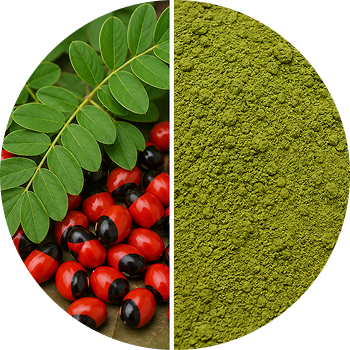
Parijat cutout
Nyctanthes arbor-tristis
Parijat (Leaf)
Botanical Name Nyctanthes arbor-tristis
Common Name Parijat
Part Used Leaf
Active Components Alkaloids
Standardizations Available 0.15%
Forms Available Dry, Spray Dry, Liquid, Oil, Paste
Herbal Extract Ratio 5:1
Organic icon Organic

Introduction

Parijat (Nyctanthes arbor-tristis) is a botanical long valued in Ayurvedic and traditional herbal practice. This extract is prepared from the leaf of the plant, standardised to capture its alkaloids and offered as a concentrated 5:1 extract.

How It Benefits the Body

In the body, Parijat extract is traditionally used to help ease joint and muscular pain and stiffness, and help expel intestinal worms and parasites. These effects are attributed largely to its alkaloids standardised to 0.15%.

Industries Served

Ayurvedic & herbal medicine, Pharmaceuticals, Nutraceuticals & dietary supplements.

Sweet Basil cutout
Ocimum basilicum
Sweet Basil (Seed / Leaf)
Botanical Name Ocimum basilicum
Common Name Sweet Basil
Part Used Seed / Leaf
Active Components Volatile Oil
Standardizations Available 1.5%
Forms Available Dry, Spray Dry, Liquid, Oil, Paste
Herbal Extract Ratio 5:1
Organic icon Organic

Introduction

Sweet Basil (Ocimum basilicum) is a botanical long valued in Ayurvedic and traditional herbal practice. This extract is prepared from the seed / leaf of the plant, standardised to capture its volatile oil and offered as a concentrated 5:1 extract.

How It Benefits the Body

In the body, Sweet Basil extract is traditionally used to help the body resist microbial and infectious challenges, and provide a gentle, invigorating and energising effect. These effects are attributed largely to its volatile oil standardised to 1.5%.

Industries Served

Ayurvedic & herbal medicine, Pharmaceuticals, Cosmetics & personal care, Food & beverage.

Ram Tulsi cutout
Ocimum gratissimum
Ram Tulsi (Seed)
Botanical Name Ocimum gratissimum
Common Name Ram Tulsi
Part Used Seed
Active Components Tannins
Standardizations Available 1-5%
Forms Available Dry, Spray Dry, Liquid, Oil, Paste
Herbal Extract Ratio 5:1
Organic icon Organic

Introduction

Ram Tulsi (Ocimum gratissimum) is a botanical long valued in Ayurvedic and traditional herbal practice. This extract is prepared from the seed of the plant, standardised to capture its tannins and offered as a concentrated 5:1 extract.

How It Benefits the Body

In the body, Ram Tulsi extract is traditionally used to neutralise free radicals and limit oxidative stress on cells. These effects are attributed largely to its tannins standardised to 1-5%.

Industries Served

Ayurvedic & herbal medicine, Nutraceuticals & dietary supplements, Cosmetics & personal care, Food & beverage.

Tulsi cutout
Ocimum sanctum
Tulsi (Herb)
Botanical Name Ocimum sanctum
Common Name Tulsi
Part Used Herb
Active Components Ursolic Acid
Standardizations Available >2%
Forms Available Dry, Spray Dry, Liquid, Oil, Paste
Herbal Extract Ratio 5:1
Organic icon Organic

Introduction

Tulsi (Ocimum sanctum) is a botanical long valued in Ayurvedic and traditional herbal practice. This extract is prepared from the herb of the plant, standardised to capture its ursolic acid and offered as a concentrated 5:1 extract.

How It Benefits the Body

In the body, Tulsi extract is traditionally used to help balance and strengthen the immune response, and provide a gentle, invigorating and energising effect. These effects are attributed largely to its ursolic acid standardised to >2%.

Industries Served

Ayurvedic & herbal medicine, Nutraceuticals & dietary supplements, Food & beverage.

Khetpapra cutout
Oldenlandia corymbosa
Khetpapra (Plant)
Botanical Name Oldenlandia corymbosa
Common Name Khetpapra
Part Used Plant
Active Components Alkaloids
Standardizations Available 0.35%
Forms Available Dry, Spray Dry, Liquid, Oil, Paste
Herbal Extract Ratio 10:1
Organic icon Organic

Introduction

Khetpapra (Oldenlandia corymbosa) is a botanical long valued in Ayurvedic and traditional herbal practice. This extract is prepared from the plant of the plant, standardised to capture its alkaloids and offered as a concentrated 10:1 extract.

How It Benefits the Body

In the body, Khetpapra extract is traditionally used to support and help protect the liver, act as a restorative that supports overall strength and vitality, and help bring down fever and cool the body. These effects are attributed largely to its alkaloids standardised to 0.35%.

Industries Served

Ayurvedic & herbal medicine, Nutraceuticals & dietary supplements, Pharmaceuticals, Food & beverage.
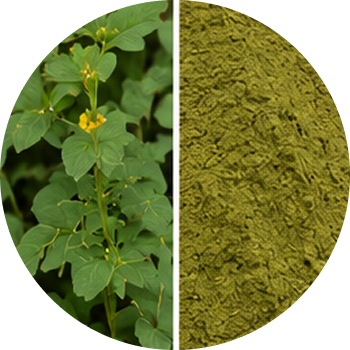
Gaozaban cutout
Onosma bracteatum
Gaozaban (Plant)
Botanical Name Onosma bracteatum
Common Name Gaozaban
Part Used Plant
Active Components Glycosides
Standardizations Available 10%
Forms Available Dry, Spray Dry, Liquid, Oil, Paste
Herbal Extract Ratio 10:1
Organic icon Organic

Introduction

Gaozaban (Onosma bracteatum) is a botanical long valued in Ayurvedic and traditional herbal practice. This extract is prepared from the plant of the plant, standardised to capture its glycosides and offered as a concentrated 10:1 extract.

How It Benefits the Body

In the body, Gaozaban extract is traditionally used to support relief from loose motions and digestive upset. These effects are attributed largely to its glycosides standardised to 10%.

Industries Served

Ayurvedic & herbal medicine, Pharmaceuticals, Nutraceuticals & dietary supplements.

Ratanjot cutout
Onosma echioides
Ratanjot (Root)
Botanical Name Onosma echioides
Common Name Ratanjot
Part Used Root
Active Components Alkamine
Standardizations Available 1%
Forms Available Dry, Spray Dry, Liquid, Oil, Paste
Herbal Extract Ratio 10:1
Organic icon Organic

Introduction

Ratanjot (Onosma echioides) is a botanical long valued in Ayurvedic and traditional herbal practice. This extract is prepared from the root of the plant, standardised to capture its alkamine and offered as a concentrated 10:1 extract.

How It Benefits the Body

In the body, Ratanjot extract is traditionally used to support healthy skin, hair and a clear complexion. These effects are attributed largely to its alkamine standardised to 1%.

Industries Served

Ayurvedic & herbal medicine, Cosmetics & personal care, Nutraceuticals & dietary supplements, Pharmaceuticals.

Nisoth cutout
Operculina turpethum
Nisoth (Root)
Botanical Name Operculina turpethum
Common Name Nisoth
Part Used Root
Active Components Resins
Standardizations Available 1-10%
Forms Available Dry, Spray Dry, Liquid, Oil, Paste
Herbal Extract Ratio 10:1
Organic icon Organic

Introduction

Nisoth (Operculina turpethum) is a botanical long valued in Ayurvedic and traditional herbal practice. This extract is prepared from the root of the plant, standardised to capture its resins and offered as a concentrated 10:1 extract.

How It Benefits the Body

In the body, Nisoth extract is traditionally used to promote regular bowel movement and gentle elimination. These effects are attributed largely to its resins standardised to 1-10%.

Industries Served

Ayurvedic & herbal medicine, Pharmaceuticals, Nutraceuticals & dietary supplements.

Nagphani cutout
Opuntia dillenii
Nagphani (Herb)
Botanical Name Opuntia dillenii
Common Name Nagphani
Part Used Herb
Active Components Tannins
Standardizations Available >10%
Forms Available Dry, Spray Dry, Liquid, Oil, Paste
Herbal Extract Ratio 10:1
Organic icon Organic

Introduction

Nagphani (Opuntia dillenii) is a botanical long valued in Ayurvedic and traditional herbal practice. This extract is prepared from the herb of the plant, standardised to capture its tannins and offered as a concentrated 10:1 extract.

How It Benefits the Body

In the body, Nagphani extract is traditionally used to relax smooth muscle and help ease spasms and coughing. These effects are attributed largely to its tannins standardised to >10%.

Industries Served

Ayurvedic & herbal medicine, Pharmaceuticals, Nutraceuticals & dietary supplements.

Salam Mishri cutout
Orchis mascula
Salam Mishri (Tubers)
Botanical Name Orchis mascula
Common Name Salam Mishri
Part Used Tubers
Active Components Mucilage
Standardizations Available 5-20%
Forms Available Dry, Spray Dry, Liquid, Oil, Paste
Herbal Extract Ratio 4:1
Organic icon Organic

Introduction

Salam Mishri (Orchis mascula) is a botanical long valued in Ayurvedic and traditional herbal practice. This extract is prepared from the tubers of the plant, standardised to capture its mucilage and offered as a concentrated 4:1 extract.

How It Benefits the Body

In the body, Salam Mishri extract is traditionally used to support reproductive health, stamina and vitality, and act as a restorative that supports overall strength and vitality. These effects are attributed largely to its mucilage standardised to 5-20%.

Industries Served

Ayurvedic & herbal medicine, Nutraceuticals & dietary supplements.

Shyonaka cutout
Oroxylum indicum
Shyonaka (Bark)
Botanical Name Oroxylum indicum
Common Name Shyonaka
Part Used Bark
Active Components Glycosides
Standardizations Available On request
Forms Available Dry, Spray Dry, Liquid, Oil, Paste
Herbal Extract Ratio 10:1
Organic icon Organic

Introduction

Shyonaka (Oroxylum indicum) is a botanical long valued in Ayurvedic and traditional herbal practice. This extract is prepared from the bark of the plant, standardised to capture its glycosides and offered as a concentrated 10:1 extract.

How It Benefits the Body

In the body, Shyonaka extract is traditionally used to help the body resist microbial and infectious challenges, and help calm inflammation and the discomfort that comes with it. These effects are attributed largely to its glycosides, which give the extract its characteristic activity. Used as part of a balanced regimen, it supports the body's own functions rather than replacing professional medical care.

Industries Served

Ayurvedic & herbal medicine, Pharmaceuticals, Nutraceuticals & dietary supplements.

Gandhali cutout
Paederia foetida
Gandhali (Root)
Botanical Name Paederia foetida
Common Name Gandhali
Part Used Root
Active Components Alkaloids
Standardizations Available 1-2%
Forms Available Dry, Spray Dry, Liquid, Oil, Paste
Herbal Extract Ratio 10:1
Organic icon Organic

Introduction

Gandhali (Paederia foetida) is a botanical long valued in Ayurvedic and traditional herbal practice. This extract is prepared from the root of the plant, standardised to capture its alkaloids and offered as a concentrated 10:1 extract.

How It Benefits the Body

In the body, Gandhali extract is traditionally used to support relief from loose motions and digestive upset, and relax smooth muscle and help ease spasms and coughing. These effects are attributed largely to its alkaloids standardised to 1-2%, which give the extract its characteristic activity. Used as part of a balanced regimen, it supports the body's own functions rather than replacing professional medical care.

Industries Served

Ayurvedic & herbal medicine, Nutraceuticals & dietary supplements, Food & beverage.

Patthar Phool cutout
Parmelia perlata
Patthar Phool (Thallus)
Botanical Name Parmelia perlata
Common Name Patthar Phool
Part Used Thallus
Active Components Atranorin
Standardizations Available On request
Forms Available Dry, Spray Dry, Liquid, Oil, Paste
Herbal Extract Ratio 10:1
Organic icon Organic

Introduction

Patthar Phool (Parmelia perlata) is a botanical long valued in Ayurvedic and traditional herbal practice. This extract is prepared from the thallus of the plant, standardised to capture its atranorin and offered as a concentrated 10:1 extract.

How It Benefits the Body

In the body, Patthar Phool extract is traditionally used to support the respiratory tract and help loosen and clear mucus. These effects are attributed largely to its atranorin, which give the extract its characteristic activity. Used as part of a balanced regimen, it supports the body's own functions rather than replacing professional medical care.

Industries Served

Ayurvedic & herbal medicine, Nutraceuticals & dietary supplements, Pharmaceuticals.

Passion Flower cutout
Passiflora incarnata
Passion Flower (Herb)
Botanical Name Passiflora incarnata
Common Name Passion Flower
Part Used Herb
Active Components Flavones
Standardizations Available On request
Forms Available Dry, Spray Dry, Liquid, Oil, Paste
Herbal Extract Ratio 10:1
Organic icon Organic

Introduction

Passion Flower (Passiflora incarnata) is a botanical long valued in Ayurvedic and traditional herbal practice. This extract is prepared from the herb of the plant, standardised to capture its flavones and offered as a concentrated 10:1 extract.

How It Benefits the Body

In the body, Passion Flower extract is traditionally used to calm and support the nervous system and mental wellbeing. These effects are attributed largely to its flavones, which give the extract its characteristic activity. Used as part of a balanced regimen, it supports the body's own functions rather than replacing professional medical care.

Industries Served

Ayurvedic & herbal medicine, Nutraceuticals & dietary supplements, Pharmaceuticals, Food & beverage.
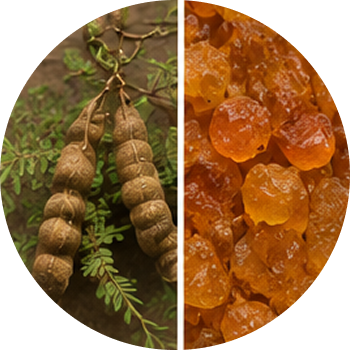
Bada Gokhru cutout
Pedalium murex
Bada Gokhru (Fruit)
Botanical Name Pedalium murex
Common Name Bada Gokhru
Part Used Vegetable
Active Components Saponins
Standardizations Available 1%
Forms Available Dry, Spray Dry, Liquid, Oil, Paste
Herbal Extract Ratio 10:1
Organic icon Organic

Introduction

Bada Gokhru (Pedalium murex) is a botanical long valued in Ayurvedic and traditional herbal practice. This extract is prepared from the fruit of the plant, standardised to capture its saponins and offered as a concentrated 10:1 extract.

How It Benefits the Body

In the body, Bada Gokhru extract is traditionally used to help the body resist microbial and infectious challenges. These effects are attributed largely to its saponins standardised to 1%, which give the extract its characteristic activity. Used as part of a balanced regimen, it supports the body's own functions rather than replacing professional medical care.

Industries Served

Ayurvedic & herbal medicine, Nutraceuticals & dietary supplements, Cosmetics & personal care.

Harmal cutout
Peganum harmala
Harmal (Seed)
Botanical Name Peganum harmala
Common Name Harmal
Part Used Seed
Active Components Alkaloids
Standardizations Available 1-8%
Forms Available Dry, Spray Dry, Liquid, Oil, Paste
Herbal Extract Ratio 10:1
Organic icon Organic

Introduction

Harmal (Peganum harmala) is a botanical long valued in Ayurvedic and traditional herbal practice. This extract is prepared from the seed of the plant, standardised to capture its alkaloids and offered as a concentrated 10:1 extract.

How It Benefits the Body

In the body, Harmal extract is traditionally used to help the body resist microbial and infectious challenges. These effects are attributed largely to its alkaloids standardised to 1-8%, which give the extract its characteristic activity. Used as part of a balanced regimen, it supports the body's own functions rather than replacing professional medical care.

Industries Served

Ayurvedic & herbal medicine, Nutraceuticals & dietary supplements, Pharmaceuticals.

Shatapushpi cutout
Peucedanum graveolens
Shatapushpi (Seed)
Botanical Name Peucedanum graveolens
Common Name Shatapushpi
Part Used Seed
Active Components Volatile Oil
Standardizations Available On request
Forms Available Dry, Spray Dry, Liquid, Oil, Paste
Herbal Extract Ratio 10:1
Organic icon Organic

Introduction

Shatapushpi (Peucedanum graveolens) is a botanical long valued in Ayurvedic and traditional herbal practice. This extract is prepared from the seed of the plant, standardised to capture its volatile oil and offered as a concentrated 10:1 extract.

How It Benefits the Body

In the body, Shatapushpi extract is traditionally used to support and help protect the liver. These effects are attributed largely to its volatile oil, which give the extract its characteristic activity. Used as part of a balanced regimen, it supports the body's own functions rather than replacing professional medical care.

Industries Served

Ayurvedic & herbal medicine, Food & beverage, Nutraceuticals & dietary supplements.

Bhumyamalaki cutout
Phyllanthus niruri
Bhumyamalaki (Herb)
Botanical Name Phyllanthus niruri
Common Name Bhumyamalaki
Part Used Herb
Active Components Bitters
Standardizations Available 1.4-2%
Forms Available Dry, Spray Dry, Liquid, Oil, Paste
Herbal Extract Ratio 10:1
Organic icon Organic

Introduction

Bhumyamalaki (Phyllanthus niruri) is a botanical long valued in Ayurvedic and traditional herbal practice. This extract is prepared from the herb of the plant, standardised to capture its bitters and offered as a concentrated 10:1 extract.

How It Benefits the Body

In the body, Bhumyamalaki extract is traditionally used to support and help protect the liver. These effects are attributed largely to its bitters standardised to 1.4-2%, which give the extract its characteristic activity. Used as part of a balanced regimen, it supports the body's own functions rather than replacing professional medical care.

Industries Served

Ayurvedic & herbal medicine, Food & beverage, Nutraceuticals & dietary supplements.

Kambhoi cutout
Phyllanthus reticulatus
Kambhoi (Bark / Stem)
Botanical Name Phyllanthus reticulatus
Common Name Kambhoi
Part Used Bark / Stem
Active Components Purines
Standardizations Available On request
Forms Available Dry, Spray Dry, Liquid, Oil, Paste
Herbal Extract Ratio 10:1
Organic icon Organic

Introduction

Kambhoi (Phyllanthus reticulatus) is a botanical long valued in Ayurvedic and traditional herbal practice. This extract is prepared from the bark / stem of the plant, standardised to capture its purines and offered as a concentrated 10:1 extract.

How It Benefits the Body

In the body, Kambhoi extract is traditionally used to support healthy skin, hair and a clear complexion. These effects are attributed largely to its purines, which give the extract its characteristic activity. Used as part of a balanced regimen, it supports the body's own functions rather than replacing professional medical care.

Industries Served

Ayurvedic & herbal medicine, Nutraceuticals & dietary supplements, Pharmaceuticals.

Kutki cutout
Picrorrhiza kurroa
Kutki (Root)
Botanical Name Picrorrhiza kurroa
Common Name Kutki
Part Used Root
Active Components Kutkin
Standardizations Available >6%
Forms Available Dry, Spray Dry, Liquid, Oil, Paste
Herbal Extract Ratio 10:1
Organic icon Organic

Introduction

Kutki (Picrorrhiza kurroa) is a botanical long valued in Ayurvedic and traditional herbal practice. This extract is prepared from the root of the plant, standardised to capture its kutkin and offered as a concentrated 10:1 extract.

How It Benefits the Body

In the body, Kutki extract is traditionally used to support and help protect the liver, and act as a restorative that supports overall strength and vitality. These effects are attributed largely to its kutkin standardised to >6%, which give the extract its characteristic activity. Used as part of a balanced regimen, it supports the body's own functions rather than replacing professional medical care.

Industries Served

Ayurvedic & herbal medicine, Nutraceuticals & dietary supplements, Pharmaceuticals.

Aniseed cutout
Pimpinella anisum
Aniseed (Seed)
Botanical Name Pimpinella anisum
Common Name Aniseed
Part Used Seed
Active Components Volatile Oil
Standardizations Available 1-2%
Forms Available Dry, Spray Dry, Liquid, Oil, Paste
Herbal Extract Ratio 10:1
Organic icon Organic

Introduction

Aniseed (Pimpinella anisum) is a botanical long valued in Ayurvedic and traditional herbal practice. This extract is prepared from the seed of the plant, standardised to capture its volatile oil and offered as a concentrated 10:1 extract.

How It Benefits the Body

In the body, Aniseed extract is traditionally used to support the respiratory tract and help loosen and clear mucus. These effects are attributed largely to its volatile oil standardised to 1-2%, which give the extract its characteristic activity. Used as part of a balanced regimen, it supports the body's own functions rather than replacing professional medical care.

Industries Served

Ayurvedic & herbal medicine, Nutraceuticals & dietary supplements, Food & beverage, Cosmetics & personal care.

Pan cutout
Piper betle
Pan (Leaves)
Botanical Name Piper betle
Common Name Pan
Part Used Leaves
Active Components Chavicol
Standardizations Available On request
Forms Available Dry, Spray Dry, Liquid, Oil, Paste
Herbal Extract Ratio 10:1
Organic icon Organic

Introduction

Pan (Piper betle) is a botanical long valued in Ayurvedic and traditional herbal practice. This extract is prepared from the leaves of the plant, standardised to capture its chavicol and offered as a concentrated 10:1 extract.

How It Benefits the Body

In the body, Pan extract is traditionally used to support healthy blood-sugar balance. These effects are attributed largely to its chavicol, which give the extract its characteristic activity. Used as part of a balanced regimen, it supports the body's own functions rather than replacing professional medical care.

Industries Served

Ayurvedic & herbal medicine, Nutraceuticals & dietary supplements, Pharmaceuticals.

Kabab Chini cutout
Piper cubeba
Kabab Chini (Fruit)
Botanical Name Piper cubeba
Common Name Kabab Chini
Part Used Vegetable
Active Components Piperine
Standardizations Available 10%
Forms Available Dry, Spray Dry, Liquid, Oil, Paste
Herbal Extract Ratio 10:1
Organic icon Organic

Introduction

Kabab Chini (Piper cubeba) is a botanical long valued in Ayurvedic and traditional herbal practice. This extract is prepared from the fruit of the plant, standardised to capture its piperine and offered as a concentrated 10:1 extract.

How It Benefits the Body

In the body, Kabab Chini extract is traditionally used to ease digestion, relieve gas and bloating and soothe the stomach, and provide a gentle, invigorating and energising effect. These effects are attributed largely to its piperine standardised to 10%, which give the extract its characteristic activity. Used as part of a balanced regimen, it supports the body's own functions rather than replacing professional medical care.

Industries Served

Ayurvedic & herbal medicine, Cosmetics & personal care, Pharmaceuticals.

Pippali cutout
Piper longum
Pippali (Fruit)
Botanical Name Piper longum
Common Name Pippali
Part Used Vegetable
Active Components Piperine
Standardizations Available 5%
Forms Available Dry, Spray Dry, Liquid, Oil, Paste
Herbal Extract Ratio 10:1
Organic icon Organic

Introduction

Pippali (Piper longum) is a botanical long valued in Ayurvedic and traditional herbal practice. This extract is prepared from the fruit of the plant, standardised to capture its piperine and offered as a concentrated 10:1 extract.

How It Benefits the Body

In the body, Pippali extract is traditionally used to ease digestion, relieve gas and bloating and soothe the stomach, and provide a gentle, invigorating and energising effect. These effects are attributed largely to its piperine standardised to 5%, which give the extract its characteristic activity. Used as part of a balanced regimen, it supports the body's own functions rather than replacing professional medical care.

Industries Served

Ayurvedic & herbal medicine, Food & beverage, Cosmetics & personal care.

Piplamool cutout
Piper longum
Piplamool (Root)
Botanical Name Piper longum
Common Name Piplamool
Part Used Root
Active Components Piperine
Standardizations Available 2%
Forms Available Dry, Spray Dry, Liquid, Oil, Paste
Herbal Extract Ratio 10:1
Organic icon Organic

Introduction

Piplamool (Piper longum) is a botanical long valued in Ayurvedic and traditional herbal practice. This extract is prepared from the root of the plant, standardised to capture its piperine and offered as a concentrated 10:1 extract.

How It Benefits the Body

In the body, Piplamool extract is traditionally used to ease digestion, relieve gas and bloating and soothe the stomach, and provide a gentle, invigorating and energising effect. These effects are attributed largely to its piperine standardised to 2%, which give the extract its characteristic activity. Used as part of a balanced regimen, it supports the body's own functions rather than replacing professional medical care.

Industries Served

Ayurvedic & herbal medicine, Nutraceuticals & dietary supplements, Pharmaceuticals.

Black Pepper cutout
Piper nigrum
Black Pepper (Fruit)
Botanical Name Piper nigrum
Common Name Black Pepper
Part Used Vegetable
Active Components Piperine
Standardizations Available 10%
Forms Available Dry, Spray Dry, Liquid, Oil, Paste
Herbal Extract Ratio 10:1
Organic icon Organic

Introduction

Black Pepper (Piper nigrum) is a botanical long valued in Ayurvedic and traditional herbal practice. This extract is prepared from the fruit of the plant, standardised to capture its piperine and offered as a concentrated 10:1 extract.

How It Benefits the Body

In the body, Black Pepper extract is traditionally used to ease digestion, relieve gas and bloating and soothe the stomach, and help bring down fever and cool the body. These effects are attributed largely to its piperine standardised to 10%, which give the extract its characteristic activity. Used as part of a balanced regimen, it supports the body's own functions rather than replacing professional medical care.

Industries Served

Ayurvedic & herbal medicine, Food & beverage, Nutraceuticals & dietary supplements, Pharmaceuticals.

Kakada Singi cutout
Pistacia integerrima
Kakada Singi (Gall)
Botanical Name Pistacia integerrima
Common Name Kakada Singi
Part Used Gall
Active Components Tannins
Standardizations Available 10-20%
Forms Available Dry, Spray Dry, Liquid, Oil, Paste
Herbal Extract Ratio 10:1
Organic icon Organic

Introduction

Kakada Singi (Pistacia integerrima) is a botanical long valued in Ayurvedic and traditional herbal practice. This extract is prepared from the gall of the plant, standardised to capture its tannins and offered as a concentrated 10:1 extract.

How It Benefits the Body

In the body, Kakada Singi extract is traditionally used to support the respiratory tract and help loosen and clear mucus. These effects are attributed largely to its tannins standardised to 10-20%, which give the extract its characteristic activity. Used as part of a balanced regimen, it supports the body's own functions rather than replacing professional medical care.

Industries Served

Ayurvedic & herbal medicine, Food & beverage, Nutraceuticals & dietary supplements, Pharmaceuticals.

Rasna cutout
Pluchea lanceolata
Rasna (Root)
Botanical Name Pluchea lanceolata
Common Name Rasna
Part Used Root
Active Components Alkaloids
Standardizations Available 1-2%
Forms Available Dry, Spray Dry, Liquid, Oil, Paste
Herbal Extract Ratio 10:1
Organic icon Organic

Introduction

Rasna (Pluchea lanceolata) is a botanical long valued in Ayurvedic and traditional herbal practice. This extract is prepared from the root of the plant, standardised to capture its alkaloids and offered as a concentrated 10:1 extract.

How It Benefits the Body

In the body, Rasna extract is traditionally used to help calm inflammation and the discomfort that comes with it. These effects are attributed largely to its alkaloids standardised to 1-2%, which give the extract its characteristic activity. Used as part of a balanced regimen, it supports the body's own functions rather than replacing professional medical care.

Industries Served

Ayurvedic & herbal medicine, Nutraceuticals & dietary supplements, Pharmaceuticals.

Chitrak cutout
Plumbago zeylanica
Chitrak (Root)
Botanical Name Plumbago zeylanica
Common Name Chitrak
Part Used Root
Active Components Plumbagin
Standardizations Available 0.5%
Forms Available Dry, Spray Dry, Liquid, Oil, Paste
Herbal Extract Ratio 10:1
Organic icon Organic

Introduction

Chitrak (Plumbago zeylanica) is a botanical long valued in Ayurvedic and traditional herbal practice. This extract is prepared from the root of the plant, standardised to capture its plumbagin and offered as a concentrated 10:1 extract.

How It Benefits the Body

In the body, Chitrak extract is traditionally used to support healthy skin, hair and a clear complexion. These effects are attributed largely to its plumbagin standardised to 0.5%, which give the extract its characteristic activity. Used as part of a balanced regimen, it supports the body's own functions rather than replacing professional medical care.

Industries Served

Ayurvedic & herbal medicine, Food & beverage, Nutraceuticals & dietary supplements, Pharmaceuticals.

Indian Podophyllum cutout
Podophyllum emodi
Indian Podophyllum (Rhizome)
Botanical Name Podophyllum emodi
Common Name Indian Podophyllum
Part Used Rhizome
Active Components Podophyllotoxin
Standardizations Available 20%
Forms Available Dry, Spray Dry, Liquid, Oil, Paste
Herbal Extract Ratio 10:1
Organic icon Organic

Introduction

Indian Podophyllum (Podophyllum emodi) is a botanical long valued in Ayurvedic and traditional herbal practice. This extract is prepared from the rhizome of the plant, standardised to capture its podophyllotoxin and offered as a concentrated 10:1 extract.

How It Benefits the Body

In the body, Indian Podophyllum extract is traditionally used to promote regular bowel movement and gentle elimination. These effects are attributed largely to its podophyllotoxin standardised to 20%, which give the extract its characteristic activity. Used as part of a balanced regimen, it supports the body's own functions rather than replacing professional medical care.

Industries Served

Ayurvedic & herbal medicine, Nutraceuticals & dietary supplements, Pharmaceuticals.

Karanj cutout
Pongamia glabra
Karanj (Seed)
Botanical Name Pongamia glabra
Common Name Karanj
Part Used Seed
Active Components Fixed Oil
Standardizations Available 1-10%
Forms Available Dry, Spray Dry, Liquid, Oil, Paste
Herbal Extract Ratio 10:1
Organic icon Organic

Introduction

Karanj (Pongamia glabra) is a botanical long valued in Ayurvedic and traditional herbal practice. This extract is prepared from the seed of the plant, standardised to capture its fixed oil and offered as a concentrated 10:1 extract.

How It Benefits the Body

In the body, Karanj extract is traditionally used to support healthy skin, hair and a clear complexion. These effects are attributed largely to its fixed oil standardised to 1-10%, which give the extract its characteristic activity. Used as part of a balanced regimen, it supports the body's own functions rather than replacing professional medical care.

Industries Served

Ayurvedic & herbal medicine, Nutraceuticals & dietary supplements, Pharmaceuticals, Food & beverage.
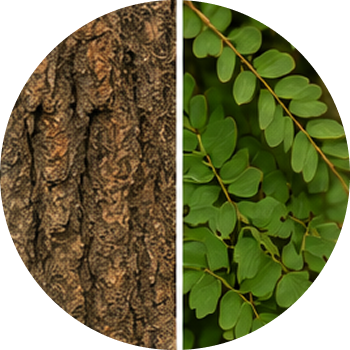
Agnimanth cutout
Premna integrifolia
Agnimanth (Root / Leaves)
Botanical Name Premna integrifolia
Common Name Agnimanth
Part Used Root / Leaves
Active Components Alkaloids
Standardizations Available On request
Forms Available Dry, Spray Dry, Liquid, Oil, Paste
Herbal Extract Ratio 10:1
Organic icon Organic

Introduction

Agnimanth (Premna integrifolia) is a botanical long valued in Ayurvedic and traditional herbal practice. This extract is prepared from the root / leaves of the plant, standardised to capture its alkaloids and offered as a concentrated 10:1 extract.

How It Benefits the Body

In the body, Agnimanth extract is traditionally used to neutralise free radicals and limit oxidative stress on cells, and help calm inflammation and the discomfort that comes with it. These effects are attributed largely to its alkaloids, which give the extract its characteristic activity. Used as part of a balanced regimen, it supports the body's own functions rather than replacing professional medical care.

Industries Served

Ayurvedic & herbal medicine, Nutraceuticals & dietary supplements, Pharmaceuticals.

Almond cutout
Prunus amygdalus
Almond (Seed)
Botanical Name Prunus amygdalus
Common Name Almond
Part Used Seed
Active Components Proteins
Standardizations Available 20-25%
Forms Available Dry, Spray Dry, Liquid, Oil, Paste
Herbal Extract Ratio 10:1
Organic icon Organic

Introduction

Almond (Prunus amygdalus) is a botanical long valued in Ayurvedic and traditional herbal practice. This extract is prepared from the seed of the plant, standardised to capture its proteins and offered as a concentrated 10:1 extract.

How It Benefits the Body

In the body, Almond extract is traditionally used to act as a restorative that supports overall strength and vitality, and soothe and protect mucous membranes and irritated tissue. These effects are attributed largely to its proteins standardised to 20-25%, which give the extract its characteristic activity. Used as part of a balanced regimen, it supports the body's own functions rather than replacing professional medical care.

Industries Served

Ayurvedic & herbal medicine, Cosmetics & personal care, Pharmaceuticals.

Padmkasth cutout
Prunus puddum
Padmkasth (Wood)
Botanical Name Prunus puddum
Common Name Padmkasth
Part Used Wood
Active Components Phytoconstituents
Standardizations Available On request
Forms Available Dry, Spray Dry, Liquid, Oil, Paste
Herbal Extract Ratio 10:1
Organic icon Organic

Introduction

Padmkasth (Prunus puddum) is a botanical long valued in Ayurvedic and traditional herbal practice. This extract is prepared from the wood of the plant, standardised to capture its phytoconstituents and offered as a concentrated 10:1 extract.

How It Benefits the Body

In the body, Padmkasth extract is traditionally used to support healthy heart and circulatory function. Used as part of a balanced regimen, it supports the body's own functions rather than replacing professional medical care.

Industries Served

Ayurvedic & herbal medicine, Nutraceuticals & dietary supplements, Pharmaceuticals.

Babchi cutout
Psoralea corylifolia
Babchi (Seeds)
Botanical Name Psoralea corylifolia
Common Name Babchi
Part Used Seeds
Active Components Psoralens
Standardizations Available 5%
Forms Available Dry, Spray Dry, Liquid, Oil, Paste
Herbal Extract Ratio 10:1
Organic icon Organic

Introduction

Babchi (Psoralea corylifolia) is a botanical long valued in Ayurvedic and traditional herbal practice. This extract is prepared from the seeds of the plant, standardised to capture its psoralens and offered as a concentrated 10:1 extract.

How It Benefits the Body

In the body, Babchi extract is traditionally used to support healthy skin, hair and a clear complexion. These effects are attributed largely to its psoralens standardised to 5%, which give the extract its characteristic activity. Used as part of a balanced regimen, it supports the body's own functions rather than replacing professional medical care.

Industries Served

Ayurvedic & herbal medicine, Cosmetics & personal care, Food & beverage, Nutraceuticals & dietary supplements.

Isabgul cutout
Plantago ovata
Isabgul (Seeds)
Botanical Name Plantago ovata
Common Name Isabgul
Part Used Seeds
Active Components Mucilage
Standardizations Available On request
Forms Available Dry, Spray Dry, Liquid, Oil, Paste
Herbal Extract Ratio 10:1
Organic icon Organic

Introduction

Isabgul (Plantago ovata) is a botanical long valued in Ayurvedic and traditional herbal practice. This extract is prepared from the seeds of the plant, standardised to capture its mucilage and offered as a concentrated 10:1 extract.

How It Benefits the Body

In the body, Isabgul extract is traditionally used to support healthy blood-sugar balance, and promote regular bowel movement and gentle elimination. These effects are attributed largely to its mucilage, which give the extract its characteristic activity. Used as part of a balanced regimen, it supports the body's own functions rather than replacing professional medical care.

Industries Served

Ayurvedic & herbal medicine, Food & beverage, Nutraceuticals & dietary supplements.

Vijayasar cutout
Pterocarpus marsupium
Vijayasar (Wood)
Botanical Name Pterocarpus marsupium
Common Name Vijayasar
Part Used Wood
Active Components Pterostilbene
Standardizations Available 1-5%
Forms Available Dry, Spray Dry, Liquid, Oil, Paste
Herbal Extract Ratio 10:1
Organic icon Organic

Introduction

Vijayasar (Pterocarpus marsupium) is a botanical long valued in Ayurvedic and traditional herbal practice. This extract is prepared from the wood of the plant, standardised to capture its pterostilbene and offered as a concentrated 10:1 extract.

How It Benefits the Body

In the body, Vijayasar extract is traditionally used to support healthy blood-sugar balance. These effects are attributed largely to its pterostilbene standardised to 1-5%, which give the extract its characteristic activity. Used as part of a balanced regimen, it supports the body's own functions rather than replacing professional medical care.

Industries Served

Ayurvedic & herbal medicine, Nutraceuticals & dietary supplements, Pharmaceuticals.

Ajwain cutout
Trachyspermum ammi
Ajwain (Seed)
Botanical Name Trachyspermum ammi
Common Name Ajwain
Part Used Seed
Active Components Volatile Oil
Standardizations Available On request
Forms Available Dry, Spray Dry, Liquid, Oil, Paste
Herbal Extract Ratio 10:1
Organic icon Organic

Introduction

Ajwain (Trachyspermum ammi) is a botanical long valued in Ayurvedic and traditional herbal practice. This extract is prepared from the seed of the plant, standardised to capture its volatile oil and offered as a concentrated 10:1 extract.

How It Benefits the Body

In the body, Ajwain extract is traditionally used to support healthy cholesterol, lipid and weight management. These effects are attributed largely to its volatile oil, which give the extract its characteristic activity. Used as part of a balanced regimen, it supports the body's own functions rather than replacing professional medical care.

Industries Served

Ayurvedic & herbal medicine, Cosmetics & personal care, Pharmaceuticals.

Vidarikand cutout
Pueraria tuberosa
Vidarikand (Root)
Botanical Name Pueraria tuberosa
Common Name Vidarikand
Part Used Root
Active Components Flavones
Standardizations Available 1-6%
Forms Available Dry, Spray Dry, Liquid, Oil, Paste
Herbal Extract Ratio 10:1
Organic icon Organic

Introduction

Vidarikand (Pueraria tuberosa) is a botanical long valued in Ayurvedic and traditional herbal practice. This extract is prepared from the root of the plant, standardised to capture its flavones and offered as a concentrated 10:1 extract.

How It Benefits the Body

In the body, Vidarikand extract is traditionally used to act as a restorative that supports overall strength and vitality, and soothe and protect mucous membranes and irritated tissue. These effects are attributed largely to its flavones standardised to 1-6%, which give the extract its characteristic activity. Used as part of a balanced regimen, it supports the body's own functions rather than replacing professional medical care.

Industries Served

Ayurvedic & herbal medicine, Cosmetics & personal care, Food & beverage, Nutraceuticals & dietary supplements.

Pomegranate cutout
Punica granatum
Pomegranate (Rind / Seed)
Botanical Name Punica granatum
Common Name Pomegranate
Part Used Rind / Seed
Active Components Ellagic Acid
Standardizations Available 1-8%
Forms Available Dry, Spray Dry, Liquid, Oil, Paste
Herbal Extract Ratio 10:1
Organic icon Organic

Introduction

Pomegranate (Punica granatum) is a botanical long valued in Ayurvedic and traditional herbal practice. This extract is prepared from the rind / seed of the plant, standardised to capture its ellagic acid and offered as a concentrated 10:1 extract.

How It Benefits the Body

In the body, Pomegranate extract is traditionally used to support healthy blood-sugar balance, and support healthy cholesterol, lipid and weight management. These effects are attributed largely to its ellagic acid standardised to 1-8%, which give the extract its characteristic activity. Used as part of a balanced regimen, it supports the body's own functions rather than replacing professional medical care.

Industries Served

Ayurvedic & herbal medicine, Cosmetics & personal care, Food & beverage, Nutraceuticals & dietary supplements.

Apple cutout
Pyrus malus
Apple (Fruit)
Botanical Name Pyrus malus
Common Name Apple
Part Used Vegetable
Active Components Iron
Standardizations Available +VE
Forms Available Dry, Spray Dry, Liquid, Oil, Paste
Herbal Extract Ratio 10:1
Organic icon Organic

Introduction

Apple (Pyrus malus) is a botanical long valued in Ayurvedic and traditional herbal practice. This extract is prepared from the fruit of the plant, standardised to capture its iron and offered as a concentrated 10:1 extract.

How It Benefits the Body

In the body, Apple extract is traditionally used to act as a restorative that supports overall strength and vitality. These effects are attributed largely to its iron standardised to +VE, which give the extract its characteristic activity. Used as part of a balanced regimen, it supports the body's own functions rather than replacing professional medical care.

Industries Served

Ayurvedic & herbal medicine, Nutraceuticals & dietary supplements, Food & beverage.

Gall Nut cutout
Quercus infectoria
Gall Nut (Galls)
Botanical Name Quercus infectoria
Common Name Gall Nut
Part Used Galls
Active Components Tannins
Standardizations Available 10-40%
Forms Available Dry, Spray Dry, Liquid, Oil, Paste
Herbal Extract Ratio 4:1
Organic icon Organic

Introduction

Gall Nut (Quercus infectoria) is a botanical long valued in Ayurvedic and traditional herbal practice. This extract is prepared from the galls of the plant, standardised to capture its tannins and offered as a concentrated 4:1 extract.

How It Benefits the Body

In the body, Gall Nut extract is traditionally used to tone tissues and help check excess secretions and minor bleeding. These effects are attributed largely to its tannins standardised to 10-40%, which give the extract its characteristic activity. Used as part of a balanced regimen, it supports the body's own functions rather than replacing professional medical care.

Industries Served

Ayurvedic & herbal medicine, Cosmetics & personal care, Nutraceuticals & dietary supplements, Pharmaceuticals.

Menphal cutout
Randia dumetorum
Menphal (Fruit)
Botanical Name Randia dumetorum
Common Name Menphal
Part Used Vegetable
Active Components Triterpenes
Standardizations Available On request
Forms Available Dry, Spray Dry, Liquid, Oil, Paste
Herbal Extract Ratio 10:1
Organic icon Organic

Introduction

Menphal (Randia dumetorum) is a botanical long valued in Ayurvedic and traditional herbal practice. This extract is prepared from the fruit of the plant, standardised to capture its triterpenes and offered as a concentrated 10:1 extract.

How It Benefits the Body

In the body, Menphal extract is traditionally used to support healthy blood-sugar balance, and help the body resist microbial and infectious challenges. These effects are attributed largely to its triterpenes, which give the extract its characteristic activity. Used as part of a balanced regimen, it supports the body's own functions rather than replacing professional medical care.

Industries Served

Ayurvedic & herbal medicine, Nutraceuticals & dietary supplements, Pharmaceuticals.

Radish cutout
Raphanus sativus
Radish (Plant / Seed)
Botanical Name Raphanus sativus
Common Name Radish
Part Used Plant / Seed
Active Components Sulphur
Standardizations Available 5%
Forms Available Dry, Spray Dry, Liquid, Oil, Paste
Herbal Extract Ratio 10:1
Organic icon Organic

Introduction

Radish (Raphanus sativus) is a botanical long valued in Ayurvedic and traditional herbal practice. This extract is prepared from the plant / seed of the plant, standardised to capture its sulphur and offered as a concentrated 10:1 extract.

How It Benefits the Body

In the body, Radish extract is traditionally used to help the body resist microbial and infectious challenges. These effects are attributed largely to its sulphur standardised to 5%, which give the extract its characteristic activity. Used as part of a balanced regimen, it supports the body's own functions rather than replacing professional medical care.

Industries Served

Ayurvedic & herbal medicine, Pharmaceuticals, Nutraceuticals & dietary supplements.

Sarpagandha cutout
Rauvolfia serpentina
Sarpagandha (Root)
Botanical Name Rauvolfia serpentina
Common Name Sarpagandha
Part Used Root
Active Components Alkaloids
Standardizations Available 1-8%
Forms Available Dry, Spray Dry, Liquid, Oil, Paste
Herbal Extract Ratio 10:1
Organic icon Organic

Introduction

Sarpagandha (Rauvolfia serpentina) is a botanical long valued in Ayurvedic and traditional herbal practice. This extract is prepared from the root of the plant, standardised to capture its alkaloids and offered as a concentrated 10:1 extract.

How It Benefits the Body

In the body, Sarpagandha extract is traditionally used to support healthy heart and circulatory function. These effects are attributed largely to its alkaloids standardised to 1-8%, which give the extract its characteristic activity. Used as part of a balanced regimen, it supports the body's own functions rather than replacing professional medical care.

Industries Served

Ayurvedic & herbal medicine, Pharmaceuticals, Nutraceuticals & dietary supplements.

Rhubarb cutout
Rheum emodi
Rhubarb (Root)
Botanical Name Rheum emodi
Common Name Rhubarb
Part Used Root
Active Components Anthraquinones
Standardizations Available 1-8%
Forms Available Dry, Spray Dry, Liquid, Oil, Paste
Herbal Extract Ratio 10:1
Organic icon Organic

Introduction

Rhubarb (Rheum emodi) is a botanical long valued in Ayurvedic and traditional herbal practice. This extract is prepared from the root of the plant, standardised to capture its anthraquinones and offered as a concentrated 10:1 extract.

How It Benefits the Body

In the body, Rhubarb extract is traditionally used to support and help protect the liver, and support the body's natural detoxification and blood-cleansing. These effects are attributed largely to its anthraquinones standardised to 1-8%, which give the extract its characteristic activity. Used as part of a balanced regimen, it supports the body's own functions rather than replacing professional medical care.

Industries Served

Ayurvedic & herbal medicine, Nutraceuticals & dietary supplements, Pharmaceuticals.

Kakrashingi cutout
Rhus succedanea
Kakrashingi (Fruit)
Botanical Name Rhus succedanea
Common Name Kakrashingi
Part Used Vegetable
Active Components Tannins
Standardizations Available 5-15%
Forms Available Dry, Spray Dry, Liquid, Oil, Paste
Herbal Extract Ratio 10:1
Organic icon Organic

Introduction

Kakrashingi (Rhus succedanea) is a botanical long valued in Ayurvedic and traditional herbal practice. This extract is prepared from the fruit of the plant, standardised to capture its tannins and offered as a concentrated 10:1 extract.

How It Benefits the Body

In the body, Kakrashingi extract is traditionally used to help the body resist microbial and infectious challenges. These effects are attributed largely to its tannins standardised to 5-15%, which give the extract its characteristic activity. Used as part of a balanced regimen, it supports the body's own functions rather than replacing professional medical care.

Industries Served

Ayurvedic & herbal medicine, Pharmaceuticals, Nutraceuticals & dietary supplements.

Castor cutout
Ricinus communis
Castor (Leaf)
Botanical Name Ricinus communis
Common Name Castor
Part Used Leaf
Active Components Alkaloids
Standardizations Available 0.2-0.5%
Forms Available Dry, Spray Dry, Liquid, Oil, Paste
Herbal Extract Ratio 10:1
Organic icon Organic

Introduction

Castor (Ricinus communis) is a botanical long valued in Ayurvedic and traditional herbal practice. This extract is prepared from the leaf of the plant, standardised to capture its alkaloids and offered as a concentrated 10:1 extract.

How It Benefits the Body

In the body, Castor extract is traditionally used to help calm inflammation and the discomfort that comes with it. These effects are attributed largely to its alkaloids standardised to 0.2-0.5%, which give the extract its characteristic activity. Used as part of a balanced regimen, it supports the body's own functions rather than replacing professional medical care.

Industries Served

Ayurvedic & herbal medicine, Pharmaceuticals, Cosmetics & personal care.

Castor cutout
Ricinus communis
Castor (Seed)
Botanical Name Ricinus communis
Common Name Castor
Part Used Seed
Active Components Alkaloids
Standardizations Available 0.5%
Forms Available Dry, Spray Dry, Liquid, Oil, Paste
Herbal Extract Ratio 10:1
Organic icon Organic

Introduction

Castor (Ricinus communis) is a botanical long valued in Ayurvedic and traditional herbal practice. This extract is prepared from the seed of the plant, standardised to capture its alkaloids and offered as a concentrated 10:1 extract.

How It Benefits the Body

In the body, Castor extract is traditionally used to promote regular bowel movement and gentle elimination. These effects are attributed largely to its alkaloids standardised to 0.5%, which give the extract its characteristic activity. Used as part of a balanced regimen, it supports the body's own functions rather than replacing professional medical care.

Industries Served

Ayurvedic & herbal medicine, Pharmaceuticals, Nutraceuticals & dietary supplements.

Rose cutout
Rosa damascena
Rose (Flower Petal)
Botanical Name Rosa damascena
Common Name Rose
Part Used Flower Petal
Active Components Tannins
Standardizations Available 1-5%
Forms Available Dry, Spray Dry, Liquid, Oil, Paste
Herbal Extract Ratio 10:1
Organic icon Organic

Introduction

Rose (Rosa damascena) is a botanical long valued in Ayurvedic and traditional herbal practice. This extract is prepared from the flower petal of the plant, standardised to capture its tannins and offered as a concentrated 10:1 extract.

How It Benefits the Body

In the body, Rose extract is traditionally used to help the body resist microbial and infectious challenges, and support healthy skin, hair and a clear complexion. These effects are attributed largely to its tannins standardised to 1-5%, which give the extract its characteristic activity. Used as part of a balanced regimen, it supports the body's own functions rather than replacing professional medical care.

Industries Served

Ayurvedic & herbal medicine, Pharmaceuticals, Cosmetics & personal care.

Manjistha cutout
Rubia cordifolia
Manjistha (Root)
Botanical Name Rubia cordifolia
Common Name Manjistha
Part Used Root
Active Components Glycosides
Standardizations Available >2%
Forms Available Dry, Spray Dry, Liquid, Oil, Paste
Herbal Extract Ratio 10:1
Organic icon Organic

Introduction

Manjistha (Rubia cordifolia) is a botanical long valued in Ayurvedic and traditional herbal practice. This extract is prepared from the root of the plant, standardised to capture its glycosides and offered as a concentrated 10:1 extract.

How It Benefits the Body

In the body, Manjistha extract is traditionally used to support the body's natural detoxification and blood-cleansing, and support healthy skin, hair and a clear complexion. These effects are attributed largely to its glycosides standardised to >2%, which give the extract its characteristic activity. Used as part of a balanced regimen, it supports the body's own functions rather than replacing professional medical care.

Industries Served

Ayurvedic & herbal medicine, Cosmetics & personal care, Nutraceuticals & dietary supplements, Pharmaceuticals.

Satap cutout
Ruta graveolens
Satap (Plant)
Botanical Name Ruta graveolens
Common Name Satap
Part Used Plant
Active Components Glycosides
Standardizations Available 1-8%
Forms Available Dry, Spray Dry, Liquid, Oil, Paste
Herbal Extract Ratio 10:1
Organic icon Organic

Introduction

Satap (Ruta graveolens) is a botanical long valued in Ayurvedic and traditional herbal practice. This extract is prepared from the plant of the plant, standardised to capture its glycosides and offered as a concentrated 10:1 extract.

How It Benefits the Body

In the body, Satap extract is traditionally used to support general health and wellbeing within traditional formulations. These effects are attributed largely to its glycosides standardised to 1-8%, which give the extract its characteristic activity. Used as part of a balanced regimen, it supports the body's own functions rather than replacing professional medical care.

Industries Served

Ayurvedic & herbal medicine, Nutraceuticals & dietary supplements, Pharmaceuticals.

Ponkorandi cutout
Salacia reticulata
Ponkorandi (Root)
Botanical Name Salacia reticulata
Common Name Ponkorandi
Part Used Root
Active Components Flavones
Standardizations Available 5-15%
Forms Available Dry, Spray Dry, Liquid, Oil, Paste
Herbal Extract Ratio 10:1
Organic icon Organic

Introduction

Ponkorandi (Salacia reticulata) is a botanical long valued in Ayurvedic and traditional herbal practice. This extract is prepared from the root of the plant, standardised to capture its flavones and offered as a concentrated 10:1 extract.

How It Benefits the Body

In the body, Ponkorandi extract is traditionally used to support healthy blood-sugar balance, and help ease joint and muscular pain and stiffness. These effects are attributed largely to its flavones standardised to 5-15%, which give the extract its characteristic activity. Used as part of a balanced regimen, it supports the body's own functions rather than replacing professional medical care.

Industries Served

Ayurvedic & herbal medicine, Nutraceuticals & dietary supplements, Pharmaceuticals.

Reetha cutout
Sapindus mukorossi
Reetha (Fruit)
Botanical Name Sapindus mukorossi
Common Name Reetha
Part Used Vegetable
Active Components Saponins
Standardizations Available 10-20%
Forms Available Dry, Spray Dry, Liquid, Oil, Paste
Herbal Extract Ratio 10:1
Organic icon Organic

Introduction

Reetha (Sapindus mukorossi) is a botanical long valued in Ayurvedic and traditional herbal practice. This extract is prepared from the fruit of the plant, standardised to capture its saponins and offered as a concentrated 10:1 extract.

How It Benefits the Body

In the body, Reetha extract is traditionally used to act as a natural cleansing and foaming agent. These effects are attributed largely to its saponins standardised to 10-20%, which give the extract its characteristic activity. Used as part of a balanced regimen, it supports the body's own functions rather than replacing professional medical care.

Industries Served

Ayurvedic & herbal medicine, Cosmetics & personal care, Home & personal-care cleaning.

Ashoka cutout
Saraca indica
Ashoka (Bark)
Botanical Name Saraca indica
Common Name Ashoka
Part Used Bark
Active Components Tannins
Standardizations Available >2.5%
Forms Available Dry, Spray Dry, Liquid, Oil, Paste
Herbal Extract Ratio 10:1
Organic icon Organic

Introduction

Ashoka (Saraca indica) is a botanical long valued in Ayurvedic and traditional herbal practice. This extract is prepared from the bark of the plant, standardised to capture its tannins and offered as a concentrated 10:1 extract.

How It Benefits the Body

In the body, Ashoka extract is traditionally used to act as a restorative that supports overall strength and vitality, and support female reproductive and uterine health. These effects are attributed largely to its tannins standardised to >2.5%, which give the extract its characteristic activity. Used as part of a balanced regimen, it supports the body's own functions rather than replacing professional medical care.

Industries Served

Ayurvedic & herbal medicine, Nutraceuticals & dietary supplements, Food & beverage.

Pashanbhed cutout
Saxifraga ligulata
Pashanbhed (Root)
Botanical Name Saxifraga ligulata
Common Name Pashanbhed
Part Used Root
Active Components Tannins
Standardizations Available 1-5%
Forms Available Dry, Spray Dry, Liquid, Oil, Paste
Herbal Extract Ratio 10:1
Organic icon Organic

Introduction

Pashanbhed (Saxifraga ligulata) is a botanical long valued in Ayurvedic and traditional herbal practice. This extract is prepared from the root of the plant, standardised to capture its tannins and offered as a concentrated 10:1 extract.

How It Benefits the Body

In the body, Pashanbhed extract is traditionally used to help the body resist microbial and infectious challenges, and help calm inflammation and the discomfort that comes with it. These effects are attributed largely to its tannins standardised to 1-5%, which give the extract its characteristic activity. Used as part of a balanced regimen, it supports the body's own functions rather than replacing professional medical care.

Industries Served

Ayurvedic & herbal medicine, Pharmaceuticals, Cosmetics & personal care.

Sesame cutout
Sesamum indicum
Sesame (Seed)
Botanical Name Sesamum indicum
Common Name Sesame
Part Used Seed
Active Components Proteins
Standardizations Available 5-15%
Forms Available Dry, Spray Dry, Liquid, Oil, Paste
Herbal Extract Ratio 10:1
Organic icon Organic

Introduction

Sesame (Sesamum indicum) is a botanical long valued in Ayurvedic and traditional herbal practice. This extract is prepared from the seed of the plant, standardised to capture its proteins and offered as a concentrated 10:1 extract.

How It Benefits the Body

In the body, Sesame extract is traditionally used to support and help protect the liver, and neutralise free radicals and limit oxidative stress on cells. These effects are attributed largely to its proteins standardised to 5-15%, which give the extract its characteristic activity. Used as part of a balanced regimen, it supports the body's own functions rather than replacing professional medical care.

Industries Served

Ayurvedic & herbal medicine, Nutraceuticals & dietary supplements, Pharmaceuticals, Cosmetics & personal care, Food & beverage.

Sal cutout
Shorea robusta
Sal (Resin)
Botanical Name Shorea robusta
Common Name Sal
Part Used Resin
Active Components Resin
Standardizations Available On request
Forms Available Dry, Spray Dry, Liquid, Oil, Paste
Herbal Extract Ratio 5:1
Organic icon Organic

Introduction

Sal (Shorea robusta) is a botanical long valued in Ayurvedic and traditional herbal practice. This extract is prepared from the resin of the plant, standardised to capture its resin and offered as a concentrated 5:1 extract.

How It Benefits the Body

In the body, Sal extract is traditionally used to tone tissues and help check excess secretions and minor bleeding. These effects are attributed largely to its resin, which give the extract its characteristic activity. Used as part of a balanced regimen, it supports the body's own functions rather than replacing professional medical care.

Industries Served

Ayurvedic & herbal medicine, Cosmetics & personal care, Nutraceuticals & dietary supplements, Pharmaceuticals.

Bala cutout
Sida cordifolia
Bala (Root)
Botanical Name Sida cordifolia
Common Name Bala
Part Used Root
Active Components Alkaloids
Standardizations Available >0.5%
Forms Available Dry, Spray Dry, Liquid, Oil, Paste
Herbal Extract Ratio 10:1
Organic icon Organic

Introduction

Bala (Sida cordifolia) is a botanical long valued in Ayurvedic and traditional herbal practice. This extract is prepared from the root of the plant, standardised to capture its alkaloids and offered as a concentrated 10:1 extract.

How It Benefits the Body

In the body, Bala extract is traditionally used to act as a restorative that supports overall strength and vitality, and provide a gentle, invigorating and energising effect. These effects are attributed largely to its alkaloids standardised to >0.5%, which give the extract its characteristic activity. Used as part of a balanced regimen, it supports the body's own functions rather than replacing professional medical care.

Industries Served

Ayurvedic & herbal medicine, Nutraceuticals & dietary supplements, Food & beverage.

Milk Thistle cutout
Silybum marianum
Milk Thistle (Seed)
Botanical Name Silybum marianum
Common Name Milk Thistle
Part Used Seed
Active Components Silymarin
Standardizations Available 50-80%
Forms Available Dry, Spray Dry, Liquid, Oil, Paste
Herbal Extract Ratio 6:1
Organic icon Organic

Introduction

Milk Thistle (Silybum marianum) is a botanical long valued in Ayurvedic and traditional herbal practice. This extract is prepared from the seed of the plant, standardised to capture its silymarin and offered as a concentrated 6:1 extract.

How It Benefits the Body

In the body, Milk Thistle extract is traditionally used to support and help protect the liver. These effects are attributed largely to its silymarin standardised to 50-80%, which give the extract its characteristic activity. Used as part of a balanced regimen, it supports the body's own functions rather than replacing professional medical care.

Industries Served

Ayurvedic & herbal medicine, Nutraceuticals & dietary supplements, Pharmaceuticals.

Chopchini cutout
Smilax china
Chopchini (Root)
Botanical Name Smilax china
Common Name Chopchini
Part Used Root
Active Components Glycosides
Standardizations Available On request
Forms Available Dry, Spray Dry, Liquid, Oil, Paste
Herbal Extract Ratio 6:1
Organic icon Organic

Introduction

Chopchini (Smilax china) is a botanical long valued in Ayurvedic and traditional herbal practice. This extract is prepared from the root of the plant, standardised to capture its glycosides and offered as a concentrated 6:1 extract.

How It Benefits the Body

In the body, Chopchini extract is traditionally used to ease digestion, relieve gas and bloating and soothe the stomach, and provide a gentle, invigorating and energising effect. These effects are attributed largely to its glycosides, which give the extract its characteristic activity. Used as part of a balanced regimen, it supports the body's own functions rather than replacing professional medical care.

Industries Served

Ayurvedic & herbal medicine, Nutraceuticals & dietary supplements, Food & beverage.

Bruhati cutout
Solanum indicum
Bruhati (Plant)
Botanical Name Solanum indicum
Common Name Bruhati
Part Used Plant
Active Components Alkaloids
Standardizations Available On request
Forms Available Dry, Spray Dry, Liquid, Oil, Paste
Herbal Extract Ratio 10:1
Organic icon Organic

Introduction

Bruhati (Solanum indicum) is a botanical long valued in Ayurvedic and traditional herbal practice. This extract is prepared from the plant of the plant, standardised to capture its alkaloids and offered as a concentrated 10:1 extract.

How It Benefits the Body

In the body, Bruhati extract is traditionally used to help ease joint and muscular pain and stiffness. These effects are attributed largely to its alkaloids, which give the extract its characteristic activity. Used as part of a balanced regimen, it supports the body's own functions rather than replacing professional medical care.

Industries Served

Ayurvedic & herbal medicine, Pharmaceuticals, Nutraceuticals & dietary supplements.

Makoi cutout
Solanum nigrum
Makoi (Plant)
Botanical Name Solanum nigrum
Common Name Makoi
Part Used Plant
Active Components Alkaloids
Standardizations Available 0.2%
Forms Available Dry, Spray Dry, Liquid, Oil, Paste
Herbal Extract Ratio 10:1
Organic icon Organic

Introduction

Makoi (Solanum nigrum) is a botanical long valued in Ayurvedic and traditional herbal practice. This extract is prepared from the plant of the plant, standardised to capture its alkaloids and offered as a concentrated 10:1 extract.

How It Benefits the Body

In the body, Makoi extract is traditionally used to support the respiratory tract and help loosen and clear mucus, support and help protect the liver, and act as a restorative that supports overall strength and vitality. These effects are attributed largely to its alkaloids standardised to 0.2%, which give the extract its characteristic activity. Used as part of a balanced regimen, it supports the body's own functions rather than replacing professional medical care.

Industries Served

Ayurvedic & herbal medicine, Nutraceuticals & dietary supplements, Pharmaceuticals, Food & beverage.
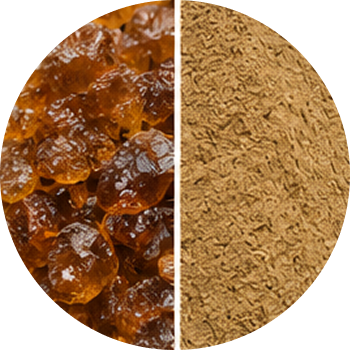
Kantakari cutout
Solanum xanthocarpum
Kantakari (Plant)
Botanical Name Solanum xanthocarpum
Common Name Kantakari
Part Used Plant
Active Components Solasodine
Standardizations Available >1%
Forms Available Dry, Spray Dry, Liquid, Oil, Paste
Herbal Extract Ratio 10:1
Organic icon Organic

Introduction

Kantakari (Solanum xanthocarpum) is a botanical long valued in Ayurvedic and traditional herbal practice. This extract is prepared from the plant of the plant, standardised to capture its solasodine and offered as a concentrated 10:1 extract.

How It Benefits the Body

In the body, Kantakari extract is traditionally used to support the respiratory tract and help loosen and clear mucus, and act as a restorative that supports overall strength and vitality. These effects are attributed largely to its solasodine standardised to >1%, which give the extract its characteristic activity. Used as part of a balanced regimen, it supports the body's own functions rather than replacing professional medical care.

Industries Served

Ayurvedic & herbal medicine, Nutraceuticals & dietary supplements, Pharmaceuticals, Food & beverage.
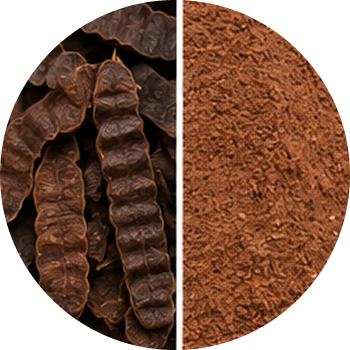
Gorakhmundi cutout
Sphaeranthus indicus
Gorakhmundi (Herb)
Botanical Name Sphaeranthus indicus
Common Name Gorakhmundi
Part Used Herb
Active Components Alkaloids
Standardizations Available 1-2%
Forms Available Dry, Spray Dry, Liquid, Oil, Paste
Herbal Extract Ratio 10:1
Organic icon Organic

Introduction

Gorakhmundi (Sphaeranthus indicus) is a botanical long valued in Ayurvedic and traditional herbal practice. This extract is prepared from the herb of the plant, standardised to capture its alkaloids and offered as a concentrated 10:1 extract.

How It Benefits the Body

In the body, Gorakhmundi extract is traditionally used to help ease joint and muscular pain and stiffness. These effects are attributed largely to its alkaloids standardised to 1-2%, which give the extract its characteristic activity. Used as part of a balanced regimen, it supports the body's own functions rather than replacing professional medical care.

Industries Served

Ayurvedic & herbal medicine, Pharmaceuticals, Nutraceuticals & dietary supplements.

Niranjan Phal cutout
Sterculia lychnophora
Niranjan Phal (Seed / Fruit)
Botanical Name Sterculia lychnophora
Common Name Niranjan Phal
Part Used Seed / Fruit
Active Components Sterculinine
Standardizations Available On request
Forms Available Dry, Spray Dry, Liquid, Oil, Paste
Herbal Extract Ratio 10:1
Organic icon Organic

Introduction

Niranjan Phal (Sterculia lychnophora) is a botanical long valued in Ayurvedic and traditional herbal practice. This extract is prepared from the seed / fruit of the plant, standardised to capture its sterculinine and offered as a concentrated 10:1 extract.

How It Benefits the Body

In the body, Niranjan Phal extract is traditionally used to help ease joint and muscular pain and stiffness, and help bring down fever and cool the body. These effects are attributed largely to its sterculinine, which give the extract its characteristic activity. Used as part of a balanced regimen, it supports the body's own functions rather than replacing professional medical care.

Industries Served

Ayurvedic & herbal medicine, Pharmaceuticals, Nutraceuticals & dietary supplements.

Chirayata cutout
Swertia chirata
Chirayata (Plant)
Botanical Name Swertia chirata
Common Name Chirayata
Part Used Plant
Active Components Bitters
Standardizations Available 1-10%
Forms Available Dry, Spray Dry, Liquid, Oil, Paste
Herbal Extract Ratio 10:1
Organic icon Organic

Introduction

Chirayata (Swertia chirata) is a botanical long valued in Ayurvedic and traditional herbal practice. This extract is prepared from the plant of the plant, standardised to capture its bitters and offered as a concentrated 10:1 extract.

How It Benefits the Body

In the body, Chirayata extract is traditionally used to support healthy blood-sugar balance. These effects are attributed largely to its bitters standardised to 1-10%, which give the extract its characteristic activity. Used as part of a balanced regimen, it supports the body's own functions rather than replacing professional medical care.

Industries Served

Ayurvedic & herbal medicine, Nutraceuticals & dietary supplements, Pharmaceuticals.

Lodhra cutout
Symplocos racemosa
Lodhra (Bark)
Botanical Name Symplocos racemosa
Common Name Lodhra
Part Used Bark
Active Components Alkaloids
Standardizations Available 0.5%
Forms Available Dry, Spray Dry, Liquid, Oil, Paste
Herbal Extract Ratio 10:1
Organic icon Organic

Introduction

Lodhra (Symplocos racemosa) is a botanical long valued in Ayurvedic and traditional herbal practice. This extract is prepared from the bark of the plant, standardised to capture its alkaloids and offered as a concentrated 10:1 extract.

How It Benefits the Body

In the body, Lodhra extract is traditionally used to act as a restorative that supports overall strength and vitality, and support female reproductive and uterine health. These effects are attributed largely to its alkaloids standardised to 0.5%, which give the extract its characteristic activity. Used as part of a balanced regimen, it supports the body's own functions rather than replacing professional medical care.

Industries Served

Ayurvedic & herbal medicine, Nutraceuticals & dietary supplements, Food & beverage.
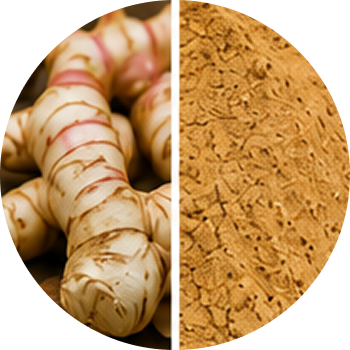
Tamarind cutout
Tamarindus indica
Tamarind (Pod)
Botanical Name Tamarindus indica
Common Name Tamarind
Part Used Pod
Active Components Tartaric Acid
Standardizations Available On request
Forms Available Dry, Spray Dry, Liquid, Oil, Paste
Herbal Extract Ratio 5:1
Organic icon Organic

Introduction

Tamarind (Tamarindus indica) is a botanical long valued in Ayurvedic and traditional herbal practice. This extract is prepared from the pod of the plant, standardised to capture its tartaric acid and offered as a concentrated 5:1 extract.

How It Benefits the Body

In the body, Tamarind extract is traditionally used to support healthy blood-sugar balance. These effects are attributed largely to its tartaric acid, which give the extract its characteristic activity. Used as part of a balanced regimen, it supports the body's own functions rather than replacing professional medical care.

Industries Served

Ayurvedic & herbal medicine, Nutraceuticals & dietary supplements, Pharmaceuticals.

Jhau cutout
Tamarix gallica
Jhau (Plant)
Botanical Name Tamarix gallica
Common Name Jhau
Part Used Plant
Active Components Tannins
Standardizations Available 10-30%
Forms Available Dry, Spray Dry, Liquid, Oil, Paste
Herbal Extract Ratio 10:1
Organic icon Organic

Introduction

Jhau (Tamarix gallica) is a botanical long valued in Ayurvedic and traditional herbal practice. This extract is prepared from the plant of the plant, standardised to capture its tannins and offered as a concentrated 10:1 extract.

How It Benefits the Body

In the body, Jhau extract is traditionally used to help ease joint and muscular pain and stiffness. These effects are attributed largely to its tannins standardised to 10-30%, which give the extract its characteristic activity. Used as part of a balanced regimen, it supports the body's own functions rather than replacing professional medical care.

Industries Served

Ayurvedic & herbal medicine, Pharmaceuticals, Nutraceuticals & dietary supplements.

Dandelion cutout
Taraxacum officinale
Dandelion (Herb)
Botanical Name Taraxacum officinale
Common Name Dandelion
Part Used Herb
Active Components Bitters
Standardizations Available 1-2.5%
Forms Available Dry, Spray Dry, Liquid, Oil, Paste
Herbal Extract Ratio 5:1
Organic icon Organic

Introduction

Dandelion (Taraxacum officinale) is a botanical long valued in Ayurvedic and traditional herbal practice. This extract is prepared from the herb of the plant, standardised to capture its bitters and offered as a concentrated 5:1 extract.

How It Benefits the Body

In the body, Dandelion extract is traditionally used to support and help protect the liver, and provide a gentle, invigorating and energising effect. These effects are attributed largely to its bitters standardised to 1-2.5%, which give the extract its characteristic activity. Used as part of a balanced regimen, it supports the body's own functions rather than replacing professional medical care.

Industries Served

Ayurvedic & herbal medicine, Food & beverage, Nutraceuticals & dietary supplements, Pharmaceuticals.

Himalayan Yew cutout
Taxus baccata
Himalayan Yew (Leaves)
Botanical Name Taxus baccata
Common Name Himalayan Yew
Part Used Leaves
Active Components Alkaloids
Standardizations Available On request
Forms Available Dry, Spray Dry, Liquid, Oil, Paste
Herbal Extract Ratio 10:1
Organic icon Organic

Introduction

Himalayan Yew (Taxus baccata) is a botanical long valued in Ayurvedic and traditional herbal practice. This extract is prepared from the leaves of the plant, standardised to capture its alkaloids and offered as a concentrated 10:1 extract.

How It Benefits the Body

In the body, Himalayan Yew extract is traditionally used to support general health and wellbeing within traditional formulations. These effects are attributed largely to its alkaloids, which give the extract its characteristic activity. Used as part of a balanced regimen, it supports the body's own functions rather than replacing professional medical care.

Industries Served

Ayurvedic & herbal medicine, Pharmaceuticals, Nutraceuticals & dietary supplements.

Rohido cutout
Tecomella undulata
Rohido (Bark)
Botanical Name Tecomella undulata
Common Name Rohido
Part Used Bark
Active Components Tannins
Standardizations Available 1-10%
Forms Available Dry, Spray Dry, Liquid, Oil, Paste
Herbal Extract Ratio 10:1
Organic icon Organic

Introduction

Rohido (Tecomella undulata) is a botanical long valued in Ayurvedic and traditional herbal practice. This extract is prepared from the bark of the plant, standardised to capture its tannins and offered as a concentrated 10:1 extract.

How It Benefits the Body

In the body, Rohido extract is traditionally used to tone tissues and help check excess secretions and minor bleeding. These effects are attributed largely to its tannins standardised to 1-10%, which give the extract its characteristic activity. Used as part of a balanced regimen, it supports the body's own functions rather than replacing professional medical care.

Industries Served

Ayurvedic & herbal medicine, Cosmetics & personal care, Nutraceuticals & dietary supplements, Pharmaceuticals.

Sarphonkha cutout
Tephrosia purpurea
Sarphonkha (Plant)
Botanical Name Tephrosia purpurea
Common Name Sarphonkha
Part Used Plant
Active Components Rutin
Standardizations Available 2-6%
Forms Available Dry, Spray Dry, Liquid, Oil, Paste
Herbal Extract Ratio 10:1
Organic icon Organic

Introduction

Sarphonkha (Tephrosia purpurea) is a botanical long valued in Ayurvedic and traditional herbal practice. This extract is prepared from the plant of the plant, standardised to capture its rutin and offered as a concentrated 10:1 extract.

How It Benefits the Body

In the body, Sarphonkha extract is traditionally used to neutralise free radicals and limit oxidative stress on cells. These effects are attributed largely to its rutin standardised to 2-6%, which give the extract its characteristic activity. Used as part of a balanced regimen, it supports the body's own functions rather than replacing professional medical care.

Industries Served

Ayurvedic & herbal medicine, Nutraceuticals & dietary supplements, Cosmetics & personal care, Food & beverage.
Mashparni cutout
Teramnus labialis
Mashparni (Root / Fruit)
Botanical Name Teramnus labialis
Common Name Mashparni
Part Used Root / Fruit
Active Components Amino Acids
Standardizations Available On request
Forms Available Dry, Spray Dry, Liquid, Oil, Paste
Herbal Extract Ratio 10:1
Organic icon Organic

Introduction

Mashparni (Teramnus labialis) is a botanical long valued in Ayurvedic and traditional herbal practice. This extract is prepared from the root / fruit of the plant, standardised to capture its amino acids and offered as a concentrated 10:1 extract.

How It Benefits the Body

In the body, Mashparni extract is traditionally used to support healthy blood-sugar balance. These effects are attributed largely to its amino acids, which give the extract its characteristic activity. Used as part of a balanced regimen, it supports the body's own functions rather than replacing professional medical care.

Industries Served

Ayurvedic & herbal medicine, Nutraceuticals & dietary supplements, Pharmaceuticals.

Arjuna cutout
Terminalia arjuna
Arjuna (Bark)
Botanical Name Terminalia arjuna
Common Name Arjuna
Part Used Bark
Active Components Arjunolic Acid
Standardizations Available 25%
Forms Available Dry, Spray Dry, Liquid, Oil, Paste
Herbal Extract Ratio 10:1
Organic icon Organic

Introduction

Arjuna (Terminalia arjuna) is a botanical long valued in Ayurvedic and traditional herbal practice. This extract is prepared from the bark of the plant, standardised to capture its arjunolic acid and offered as a concentrated 10:1 extract.

How It Benefits the Body

In the body, Arjuna extract is traditionally used to support healthy heart and circulatory function. These effects are attributed largely to its arjunolic acid standardised to 25%, which give the extract its characteristic activity. Used as part of a balanced regimen, it supports the body's own functions rather than replacing professional medical care.

Industries Served

Ayurvedic & herbal medicine, Nutraceuticals & dietary supplements, Pharmaceuticals.

Baheda cutout
Terminalia bellirica
Baheda (Fruit)
Botanical Name Terminalia bellirica
Common Name Baheda
Part Used Vegetable
Active Components Tannins
Standardizations Available >10%
Forms Available Dry, Spray Dry, Liquid, Oil, Paste
Herbal Extract Ratio 4:1
Organic icon Organic

Introduction

Baheda (Terminalia bellirica) is a botanical long valued in Ayurvedic and traditional herbal practice. This extract is prepared from the fruit of the plant, standardised to capture its tannins and offered as a concentrated 4:1 extract.

How It Benefits the Body

In the body, Baheda extract is traditionally used to support the body's natural detoxification and blood-cleansing. These effects are attributed largely to its tannins standardised to >10%, which give the extract its characteristic activity. Used as part of a balanced regimen, it supports the body's own functions rather than replacing professional medical care.

Industries Served

Ayurvedic & herbal medicine, Nutraceuticals & dietary supplements, Pharmaceuticals.

Harde cutout
Terminalia chebula
Harde (Fruit)
Botanical Name Terminalia chebula
Common Name Harde
Part Used Vegetable
Active Components Tannins
Standardizations Available 20-40%
Forms Available Dry, Spray Dry, Liquid, Oil, Paste
Herbal Extract Ratio 4:1
Organic icon Organic

Introduction

Harde (Terminalia chebula) is a botanical long valued in Ayurvedic and traditional herbal practice. This extract is prepared from the fruit of the plant, standardised to capture its tannins and offered as a concentrated 4:1 extract.

How It Benefits the Body

In the body, Harde extract is traditionally used to support the body's natural detoxification and blood-cleansing. These effects are attributed largely to its tannins standardised to 20-40%, which give the extract its characteristic activity. Used as part of a balanced regimen, it supports the body's own functions rather than replacing professional medical care.

Industries Served

Ayurvedic & herbal medicine, Nutraceuticals & dietary supplements, Pharmaceuticals.

Himej cutout
Terminalia chebula
Himej (Fruit)
Botanical Name Terminalia chebula
Common Name Himej
Part Used Vegetable
Active Components Tannins
Standardizations Available 20-40%
Forms Available Dry, Spray Dry, Liquid, Oil, Paste
Herbal Extract Ratio 4:1
Organic icon Organic

Introduction

Himej (Terminalia chebula) is a botanical long valued in Ayurvedic and traditional herbal practice. This extract is prepared from the fruit of the plant, standardised to capture its tannins and offered as a concentrated 4:1 extract.

How It Benefits the Body

In the body, Himej extract is traditionally used to help the body resist microbial and infectious challenges. These effects are attributed largely to its tannins standardised to 20-40%, which give the extract its characteristic activity. Used as part of a balanced regimen, it supports the body's own functions rather than replacing professional medical care.

Industries Served

Ayurvedic & herbal medicine, Pharmaceuticals, Cosmetics & personal care.

Pilijari cutout
Thalictrum foliolosum
Pilijari (Rhizome)
Botanical Name Thalictrum foliolosum
Common Name Pilijari
Part Used Rhizome
Active Components Alkaloids
Standardizations Available 1-3%
Forms Available Dry, Spray Dry, Liquid, Oil, Paste
Herbal Extract Ratio 10:1
Organic icon Organic

Introduction

Pilijari (Thalictrum foliolosum) is a botanical long valued in Ayurvedic and traditional herbal practice. This extract is prepared from the rhizome of the plant, standardised to capture its alkaloids and offered as a concentrated 10:1 extract.

How It Benefits the Body

In the body, Pilijari extract is traditionally used to act as a restorative that supports overall strength and vitality. These effects are attributed largely to its alkaloids standardised to 1-3%, which give the extract its characteristic activity. Used as part of a balanced regimen, it supports the body's own functions rather than replacing professional medical care.

Industries Served

Ayurvedic & herbal medicine, Nutraceuticals & dietary supplements, Food & beverage.
Giloy cutout
Tinospora cordifolia
Giloy (Stem / Root)
Botanical Name Tinospora cordifolia
Common Name Giloy
Part Used Stem / Root
Active Components Bitters
Standardizations Available 1-5%
Forms Available Dry, Spray Dry, Liquid, Oil, Paste
Herbal Extract Ratio 10:1
Organic icon Organic

Introduction

Giloy (Tinospora cordifolia) is a botanical long valued in Ayurvedic and traditional herbal practice. This extract is prepared from the stem / root of the plant, standardised to capture its bitters and offered as a concentrated 10:1 extract.

How It Benefits the Body

In the body, Giloy extract is traditionally used to help balance and strengthen the immune response, and help bring down fever and cool the body. These effects are attributed largely to its bitters standardised to 1-5%, which give the extract its characteristic activity. Used as part of a balanced regimen, it supports the body's own functions rather than replacing professional medical care.

Industries Served

Ayurvedic & herbal medicine, Nutraceuticals & dietary supplements, Pharmaceuticals.

Ajwain cutout
Trachyspermum ammi
Ajwain (Seed)
Botanical Name Trachyspermum ammi
Common Name Ajwain
Part Used Seed
Active Components Volatile Oil
Standardizations Available On request
Forms Available Dry, Spray Dry, Liquid, Oil, Paste
Herbal Extract Ratio 10:1
Organic icon Organic

Introduction

Ajwain (Trachyspermum ammi) is a botanical long valued in Ayurvedic and traditional herbal practice. This extract is prepared from the seed of the plant, standardised to capture its volatile oil and offered as a concentrated 10:1 extract.

How It Benefits the Body

In the body, Ajwain extract is traditionally used to support healthy cholesterol, lipid and weight management. These effects are attributed largely to its volatile oil, which give the extract its characteristic activity. Used as part of a balanced regimen, it supports the body's own functions rather than replacing professional medical care.

Industries Served

Ayurvedic & herbal medicine, Food & beverage, Nutraceuticals & dietary supplements, Pharmaceuticals.

Singhara cutout
Trapa natans
Singhara (Seed)
Botanical Name Trapa natans
Common Name Singhara
Part Used Seed
Active Components Alkaloids
Standardizations Available 1-2%
Forms Available Dry, Spray Dry, Liquid, Oil, Paste
Herbal Extract Ratio 10:1
Organic icon Organic

Introduction

Singhara (Trapa natans) is a botanical long valued in Ayurvedic and traditional herbal practice. This extract is prepared from the seed of the plant, standardised to capture its alkaloids and offered as a concentrated 10:1 extract.

How It Benefits the Body

In the body, Singhara extract is traditionally used to help expel intestinal worms and parasites. These effects are attributed largely to its alkaloids standardised to 1-2%, which give the extract its characteristic activity. Used as part of a balanced regimen, it supports the body's own functions rather than replacing professional medical care.

Industries Served

Ayurvedic & herbal medicine, Pharmaceuticals, Nutraceuticals & dietary supplements.

Gokhru cutout
Tribulus terrestris
Gokhru (Fruit)
Botanical Name Tribulus terrestris
Common Name Gokhru
Part Used Vegetable
Active Components Saponins
Standardizations Available 20-40%
Forms Available Dry, Spray Dry, Liquid, Oil, Paste
Herbal Extract Ratio 10:1
Organic icon Organic

Introduction

Gokhru (Tribulus terrestris) is a botanical long valued in Ayurvedic and traditional herbal practice. This extract is prepared from the fruit of the plant, standardised to capture its saponins and offered as a concentrated 10:1 extract.

How It Benefits the Body

In the body, Gokhru extract is traditionally used to support reproductive health, stamina and vitality. These effects are attributed largely to its saponins standardised to 20-40%, which give the extract its characteristic activity. Used as part of a balanced regimen, it supports the body's own functions rather than replacing professional medical care.

Industries Served

Ayurvedic & herbal medicine, Nutraceuticals & dietary supplements, Pharmaceuticals.

Patol cutout
Trichosanthes dioica
Patol (Leaves)
Botanical Name Trichosanthes dioica
Common Name Patol
Part Used Leaves
Active Components Saponins
Standardizations Available 10%
Forms Available Dry, Spray Dry, Liquid, Oil, Paste
Herbal Extract Ratio 10:1
Organic icon Organic

Introduction

Patol (Trichosanthes dioica) is a botanical long valued in Ayurvedic and traditional herbal practice. This extract is prepared from the leaves of the plant, standardised to capture its saponins and offered as a concentrated 10:1 extract.

How It Benefits the Body

In the body, Patol extract is traditionally used to support healthy blood-sugar balance. These effects are attributed largely to its saponins standardised to 10%, which give the extract its characteristic activity. Used as part of a balanced regimen, it supports the body's own functions rather than replacing professional medical care.

Industries Served

Ayurvedic & herbal medicine, Nutraceuticals & dietary supplements, Pharmaceuticals.

Fenugreek cutout
Trigonella foenum-graecum
Fenugreek (Seeds)
Botanical Name Trigonella foenum-graecum
Common Name Fenugreek
Part Used Seeds
Active Components Saponins
Standardizations Available 15-40%
Forms Available Dry, Spray Dry, Liquid, Oil, Paste
Herbal Extract Ratio 10:1
Organic icon Organic

Introduction

Fenugreek (Trigonella foenum-graecum) is a botanical long valued in Ayurvedic and traditional herbal practice. This extract is prepared from the seeds of the plant, standardised to capture its saponins and offered as a concentrated 10:1 extract.

How It Benefits the Body

In the body, Fenugreek extract is traditionally used to support healthy cholesterol, lipid and weight management, and soothe and protect mucous membranes and irritated tissue. These effects are attributed largely to its saponins standardised to 15-40%, which give the extract its characteristic activity. Used as part of a balanced regimen, it supports the body's own functions rather than replacing professional medical care.

Industries Served

Ayurvedic & herbal medicine, Nutraceuticals & dietary supplements, Pharmaceuticals.

Wheat Germ cutout
Triticum sativum
Wheat Germ (Germ)
Botanical Name Triticum sativum
Common Name Wheat Germ
Part Used Germ
Active Components Vitamin E
Standardizations Available +VE
Forms Available Dry, Spray Dry, Liquid, Oil, Paste
Herbal Extract Ratio 10:1
Organic icon Organic

Introduction

Wheat Germ (Triticum sativum) is a botanical long valued in Ayurvedic and traditional herbal practice. This extract is prepared from the germ of the plant, standardised to capture its vitamin e and offered as a concentrated 10:1 extract.

How It Benefits the Body

In the body, Wheat Germ extract is traditionally used to act as a restorative that supports overall strength and vitality, and support healthy skin, hair and a clear complexion. These effects are attributed largely to its vitamin e standardised to +VE, which give the extract its characteristic activity. Used as part of a balanced regimen, it supports the body's own functions rather than replacing professional medical care.

Industries Served

Ayurvedic & herbal medicine, Nutraceuticals & dietary supplements, Cosmetics & personal care, Food & beverage.
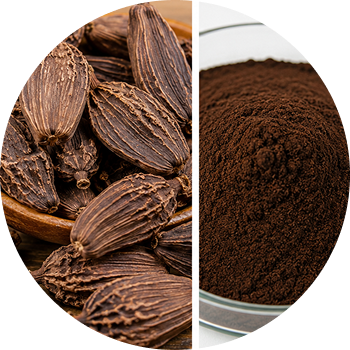
Antamul cutout
Tylophora indica
Antamul (Leaf)
Botanical Name Tylophora indica
Common Name Antamul
Part Used Leaf
Active Components Alkaloids
Standardizations Available >0.1%
Forms Available Dry, Spray Dry, Liquid, Oil, Paste
Herbal Extract Ratio 5:1
Organic icon Organic

Introduction

Antamul (Tylophora indica) is a botanical long valued in Ayurvedic and traditional herbal practice. This extract is prepared from the leaf of the plant, standardised to capture its alkaloids and offered as a concentrated 5:1 extract.

How It Benefits the Body

In the body, Antamul extract is traditionally used to support the respiratory tract and help loosen and clear mucus. These effects are attributed largely to its alkaloids standardised to >0.1%, which give the extract its characteristic activity. Used as part of a balanced regimen, it supports the body's own functions rather than replacing professional medical care.

Industries Served

Ayurvedic & herbal medicine, Pharmaceuticals, Nutraceuticals & dietary supplements.

Pushtparni cutout
Uraria picta
Pushtparni (Plant)
Botanical Name Uraria picta
Common Name Pushtparni
Part Used Plant
Active Components Phytoconstituents
Standardizations Available On request
Forms Available Dry, Spray Dry, Liquid, Oil, Paste
Herbal Extract Ratio 10:1
Organic icon Organic

Introduction

Pushtparni (Uraria picta) is a botanical long valued in Ayurvedic and traditional herbal practice. This extract is prepared from the plant of the plant, standardised to capture its phytoconstituents and offered as a concentrated 10:1 extract.

How It Benefits the Body

In the body, Pushtparni extract is traditionally used to act as a restorative that supports overall strength and vitality. Used as part of a balanced regimen, it supports the body's own functions rather than replacing professional medical care.

Industries Served

Ayurvedic & herbal medicine, Nutraceuticals & dietary supplements, Food & beverage.
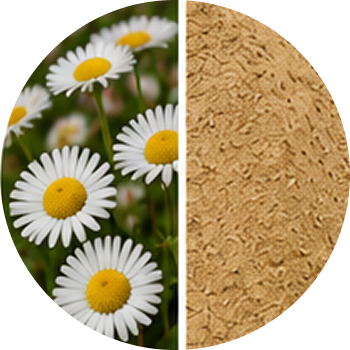
Valerian cutout
Valeriana wallichii
Valerian (Roots)
Botanical Name Valeriana wallichii
Common Name Valerian
Part Used Roots
Active Components Valeric Acid
Standardizations Available 0.8%
Forms Available Dry, Spray Dry, Liquid, Oil, Paste
Herbal Extract Ratio 6:1
Organic icon Organic

Introduction

Valerian (Valeriana wallichii) is a botanical long valued in Ayurvedic and traditional herbal practice. This extract is prepared from the roots of the plant, standardised to capture its valeric acid and offered as a concentrated 6:1 extract.

How It Benefits the Body

In the body, Valerian extract is traditionally used to calm and support the nervous system and mental wellbeing. These effects are attributed largely to its valeric acid standardised to 0.8%, which give the extract its characteristic activity. Used as part of a balanced regimen, it supports the body's own functions rather than replacing professional medical care.

Industries Served

Ayurvedic & herbal medicine, Pharmaceuticals, Nutraceuticals & dietary supplements.

Kalijeeri cutout
Vernonia anthelmintica
Kalijeeri (Seed)
Botanical Name Vernonia anthelmintica
Common Name Kalijeeri
Part Used Seed
Active Components Alkaloids
Standardizations Available On request
Forms Available Dry, Spray Dry, Liquid, Oil, Paste
Herbal Extract Ratio 5:1
Organic icon Organic

Introduction

Kalijeeri (Vernonia anthelmintica) is a botanical long valued in Ayurvedic and traditional herbal practice. This extract is prepared from the seed of the plant, standardised to capture its alkaloids and offered as a concentrated 5:1 extract.

How It Benefits the Body

In the body, Kalijeeri extract is traditionally used to help expel intestinal worms and parasites. These effects are attributed largely to its alkaloids, which give the extract its characteristic activity. Used as part of a balanced regimen, it supports the body's own functions rather than replacing professional medical care.

Industries Served

Ayurvedic & herbal medicine, Pharmaceuticals, Nutraceuticals & dietary supplements.

Sahadevi cutout
Vernonia cinerea
Sahadevi (Plant)
Botanical Name Vernonia cinerea
Common Name Sahadevi
Part Used Plant
Active Components Flavonoids
Standardizations Available On request
Forms Available Dry, Spray Dry, Liquid, Oil, Paste
Herbal Extract Ratio 6:1
Organic icon Organic

Introduction

Sahadevi (Vernonia cinerea) is a botanical long valued in Ayurvedic and traditional herbal practice. This extract is prepared from the plant of the plant, standardised to capture its flavonoids and offered as a concentrated 6:1 extract.

How It Benefits the Body

In the body, Sahadevi extract is traditionally used to help calm inflammation and the discomfort that comes with it. These effects are attributed largely to its flavonoids, which give the extract its characteristic activity. Used as part of a balanced regimen, it supports the body's own functions rather than replacing professional medical care.

Industries Served

Ayurvedic & herbal medicine, Pharmaceuticals, Cosmetics & personal care.

Khus cutout
Vetiveria zizanioides
Khus (Root)
Botanical Name Vetiveria zizanioides
Common Name Khus
Part Used Root
Active Components Volatile Oil
Standardizations Available On request
Forms Available Dry, Spray Dry, Liquid, Oil, Paste
Herbal Extract Ratio 10:1
Organic icon Organic

Introduction

Khus (Vetiveria zizanioides) is a botanical long valued in Ayurvedic and traditional herbal practice. This extract is prepared from the root of the plant, standardised to capture its volatile oil and offered as a concentrated 10:1 extract.

How It Benefits the Body

In the body, Khus extract is traditionally used to neutralise free radicals and limit oxidative stress on cells. These effects are attributed largely to its volatile oil, which give the extract its characteristic activity. Used as part of a balanced regimen, it supports the body's own functions rather than replacing professional medical care.

Industries Served

Ayurvedic & herbal medicine, Nutraceuticals & dietary supplements, Cosmetics & personal care, Food & beverage.
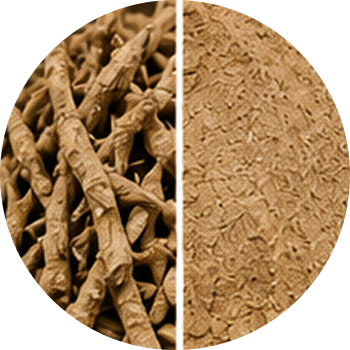
Mugdaparni cutout
Vigna trilobata
Mugdaparni (Leaves)
Botanical Name Vigna trilobata
Common Name Mugdaparni
Part Used Leaves
Active Components Amino Acids
Standardizations Available On request
Forms Available Dry, Spray Dry, Liquid, Oil, Paste
Herbal Extract Ratio 10:1
Organic icon Organic

Introduction

Mugdaparni (Vigna trilobata) is a botanical long valued in Ayurvedic and traditional herbal practice. This extract is prepared from the leaves of the plant, standardised to capture its amino acids and offered as a concentrated 10:1 extract.

How It Benefits the Body

In the body, Mugdaparni extract is traditionally used to help ease joint and muscular pain and stiffness, and relax smooth muscle and help ease spasms and coughing. These effects are attributed largely to its amino acids, which give the extract its characteristic activity. Used as part of a balanced regimen, it supports the body's own functions rather than replacing professional medical care.

Industries Served

Ayurvedic & herbal medicine, Pharmaceuticals, Nutraceuticals & dietary supplements.

Periwinkle cutout
Vinca rosea
Periwinkle (Root / Flower)
Botanical Name Vinca rosea
Common Name Periwinkle
Part Used Root / Flower
Active Components Alkaloids
Standardizations Available 0.5-1%
Forms Available Dry, Spray Dry, Liquid, Oil, Paste
Herbal Extract Ratio 10:1
Organic icon Organic

Introduction

Periwinkle (Vinca rosea) is a botanical long valued in Ayurvedic and traditional herbal practice. This extract is prepared from the root / flower of the plant, standardised to capture its alkaloids and offered as a concentrated 10:1 extract.

How It Benefits the Body

In the body, Periwinkle extract is traditionally used to support healthy blood-sugar balance. These effects are attributed largely to its alkaloids standardised to 0.5-1%, which give the extract its characteristic activity. Used as part of a balanced regimen, it supports the body's own functions rather than replacing professional medical care.

Industries Served

Ayurvedic & herbal medicine, Nutraceuticals & dietary supplements, Pharmaceuticals.

Sweet Violet cutout
Viola odorata
Sweet Violet (Flowers / Herb)
Botanical Name Viola odorata
Common Name Sweet Violet
Part Used Flowers / Herb
Active Components Saponins
Standardizations Available 2.5%
Forms Available Dry, Spray Dry, Liquid, Oil, Paste
Herbal Extract Ratio 5:1
Organic icon Organic

Introduction

Sweet Violet (Viola odorata) is a botanical long valued in Ayurvedic and traditional herbal practice. This extract is prepared from the flowers / herb of the plant, standardised to capture its saponins and offered as a concentrated 5:1 extract.

How It Benefits the Body

In the body, Sweet Violet extract is traditionally used to tone tissues and help check excess secretions and minor bleeding. These effects are attributed largely to its saponins standardised to 2.5%, which give the extract its characteristic activity. Used as part of a balanced regimen, it supports the body's own functions rather than replacing professional medical care.

Industries Served

Ayurvedic & herbal medicine, Cosmetics & personal care, Nutraceuticals & dietary supplements, Pharmaceuticals.

Nirgundi cutout
Vitex negundo
Nirgundi (Leaf)
Botanical Name Vitex negundo
Common Name Nirgundi
Part Used Leaf
Active Components Alkaloids
Standardizations Available 0.15%
Forms Available Dry, Spray Dry, Liquid, Oil, Paste
Herbal Extract Ratio 5:1
Organic icon Organic

Introduction

Nirgundi (Vitex negundo) is a botanical long valued in Ayurvedic and traditional herbal practice. This extract is prepared from the leaf of the plant, standardised to capture its alkaloids and offered as a concentrated 5:1 extract.

How It Benefits the Body

In the body, Nirgundi extract is traditionally used to help ease joint and muscular pain and stiffness, and help expel intestinal worms and parasites. These effects are attributed largely to its alkaloids standardised to 0.15%, which give the extract its characteristic activity. Used as part of a balanced regimen, it supports the body's own functions rather than replacing professional medical care.

Industries Served

Ayurvedic & herbal medicine, Pharmaceuticals, Nutraceuticals & dietary supplements.

Nirgundi cutout
Vitex negundo
Nirgundi (Seed)
Botanical Name Vitex negundo
Common Name Nirgundi
Part Used Seed
Active Components Alkaloids
Standardizations Available 0.5-2%
Forms Available Dry, Spray Dry, Liquid, Oil, Paste
Herbal Extract Ratio 5:1
Organic icon Organic

Introduction

Nirgundi (Vitex negundo) is a botanical long valued in Ayurvedic and traditional herbal practice. This extract is prepared from the seed of the plant, standardised to capture its alkaloids and offered as a concentrated 5:1 extract.

How It Benefits the Body

In the body, Nirgundi extract is traditionally used to neutralise free radicals and limit oxidative stress on cells. These effects are attributed largely to its alkaloids standardised to 0.5-2%, which give the extract its characteristic activity. Used as part of a balanced regimen, it supports the body's own functions rather than replacing professional medical care.

Industries Served

Ayurvedic & herbal medicine, Nutraceuticals & dietary supplements, Food & beverage.
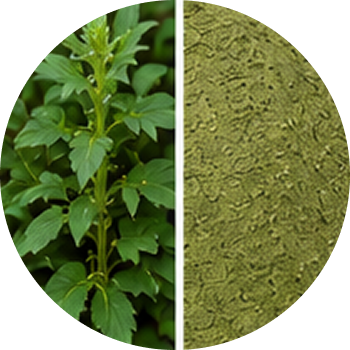
Raisin cutout
Vitis vinifera
Raisin (Fruit)
Botanical Name Vitis vinifera
Common Name Raisin
Part Used Vegetable
Active Components Polyphenols
Standardizations Available 20%
Forms Available Dry, Spray Dry, Liquid, Oil, Paste
Herbal Extract Ratio 10:1
Organic icon Organic

Introduction

Raisin (Vitis vinifera) is a botanical long valued in Ayurvedic and traditional herbal practice. This extract is prepared from the fruit of the plant, standardised to capture its polyphenols and offered as a concentrated 10:1 extract.
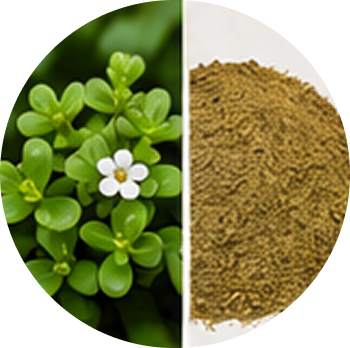
How It Benefits the Body

In the body, Raisin extract is traditionally used to neutralise free radicals and limit oxidative stress on cells. These effects are attributed largely to its polyphenols standardised to 20%, which give the extract its characteristic activity. Used as part of a balanced regimen, it supports the body's own functions rather than replacing professional medical care.

Industries Served

Ayurvedic & herbal medicine, Food & beverage, Nutraceuticals & dietary supplements, Pharmaceuticals.

Grape Seed cutout
Vitis vinifera
Grape Seed (Seed)
Botanical Name Vitis vinifera
Common Name Grape Seed
Part Used Seed
Active Components Proanthocyanidins
Standardizations Available 95%
Forms Available Dry, Spray Dry, Liquid, Oil, Paste
Herbal Extract Ratio 10:1
Organic icon Organic

Introduction

Grape Seed (Vitis vinifera) is a botanical long valued in Ayurvedic and traditional herbal practice. This extract is prepared from the seed of the plant, standardised to capture its proanthocyanidins and offered as a concentrated 10:1 extract.

How It Benefits the Body

In the body, Grape Seed extract is traditionally used to neutralise free radicals and limit oxidative stress on cells. These effects are attributed largely to its proanthocyanidins standardised to 95%, which give the extract its characteristic activity. Used as part of a balanced regimen, it supports the body's own functions rather than replacing professional medical care.

Industries Served

Ayurvedic & herbal medicine, Nutraceuticals & dietary supplements, Pharmaceuticals, Cosmetics & personal care.

Bhangara cutout
Wedelia calendulacea
Bhangara (Herb)
Botanical Name Wedelia calendulacea
Common Name Bhangara
Part Used Herb
Active Components Saponins
Standardizations Available 1-5%
Forms Available Dry, Spray Dry, Liquid, Oil, Paste
Herbal Extract Ratio 10:1
Organic icon Organic

Introduction

Bhangara (Wedelia calendulacea) is a botanical long valued in Ayurvedic and traditional herbal practice. This extract is prepared from the herb of the plant, standardised to capture its saponins and offered as a concentrated 10:1 extract.

How It Benefits the Body

In the body, Bhangara extract is traditionally used to support and help protect the liver, and act as a restorative that supports overall strength and vitality. These effects are attributed largely to its saponins standardised to 1-5%, which give the extract its characteristic activity. Used as part of a balanced regimen, it supports the body's own functions rather than replacing professional medical care.

Industries Served

Ayurvedic & herbal medicine, Nutraceuticals & dietary supplements, Pharmaceuticals.

Ashwagandha cutout
Withania somnifera
Ashwagandha (Root)
Botanical Name Withania somnifera
Common Name Ashwagandha
Part Used Root
Active Components Withanolides
Standardizations Available 1.5-5%
Forms Available Dry, Spray Dry, Liquid, Oil, Paste
Herbal Extract Ratio 10:1
Organic icon Organic

Introduction

Ashwagandha (Withania somnifera) is a botanical long valued in Ayurvedic and traditional herbal practice. This extract is prepared from the root of the plant, standardised to capture its withanolides and offered as a concentrated 10:1 extract.

How It Benefits the Body

In the body, Ashwagandha extract is traditionally used to help balance and strengthen the immune response, and act as a restorative that supports overall strength and vitality. These effects are attributed largely to its withanolides standardised to 1.5-5%, which give the extract its characteristic activity. Used as part of a balanced regimen, it supports the body's own functions rather than replacing professional medical care.

Industries Served

Ayurvedic & herbal medicine, Nutraceuticals & dietary supplements, Pharmaceuticals, Cosmetics & personal care.

Dhataki cutout
Woodfordia floribunda
Dhataki (Flower)
Botanical Name Woodfordia floribunda
Common Name Dhataki
Part Used Flower
Active Components Tannins
Standardizations Available 1-7%
Forms Available Dry, Spray Dry, Liquid, Oil, Paste
Herbal Extract Ratio 10:1
Organic icon Organic

Introduction

Dhataki (Woodfordia floribunda) is a botanical long valued in Ayurvedic and traditional herbal practice. This extract is prepared from the flower of the plant, standardised to capture its tannins and offered as a concentrated 10:1 extract.

How It Benefits the Body

In the body, Dhataki extract is traditionally used to tone tissues and help check excess secretions and minor bleeding. These effects are attributed largely to its tannins standardised to 1-7%, which give the extract its characteristic activity. Used as part of a balanced regimen, it supports the body's own functions rather than replacing professional medical care.

Industries Served

Ayurvedic & herbal medicine, Pharmaceuticals, Nutraceuticals & dietary supplements.

Ginger cutout
Zingiber officinale
Ginger (Root)
Botanical Name Zingiber officinale
Common Name Ginger
Part Used Root
Active Components Gingerol
Standardizations Available On request
Forms Available Dry, Spray Dry, Liquid, Oil, Paste
Herbal Extract Ratio 10:1
Organic icon Organic

Introduction

Ginger (Zingiber officinale) is a botanical long valued in Ayurvedic and traditional herbal practice. This extract is prepared from the root of the plant, standardised to capture its gingerol and offered as a concentrated 10:1 extract.

How It Benefits the Body

In the body, Ginger extract is traditionally used to ease digestion, relieve gas and bloating and soothe the stomach, and support healthy blood-sugar balance. These effects are attributed largely to its gingerol, which give the extract its characteristic activity. Used as part of a balanced regimen, it supports the body's own functions rather than replacing professional medical care.

Industries Served

Ayurvedic & herbal medicine, Nutraceuticals & dietary supplements, Pharmaceuticals, Food & beverage.